Beckoning Fall’s Glory

The Delta Breeze finally blew in off the Bay, bringing an end to the stifling heat and still air while providing welcome relief to the parched garden. The days are still warm, but the cool nights provide a long-awaited respite after the months long scorching summer sun. The ground holds its drink better; the wind breathes life back into exhausted plants.

Fall is my favorite season. Here, it is a second spring extending our flowering season from September through Thanksgiving. The vivid colors of summer give way to the richness of gold, crimson, and purple velvet.


Instead of the giddy anticipation of spring or the trumpeting of summer, fall is a time for soaking it all in as the sun turns gold and the season slowly turns another page.
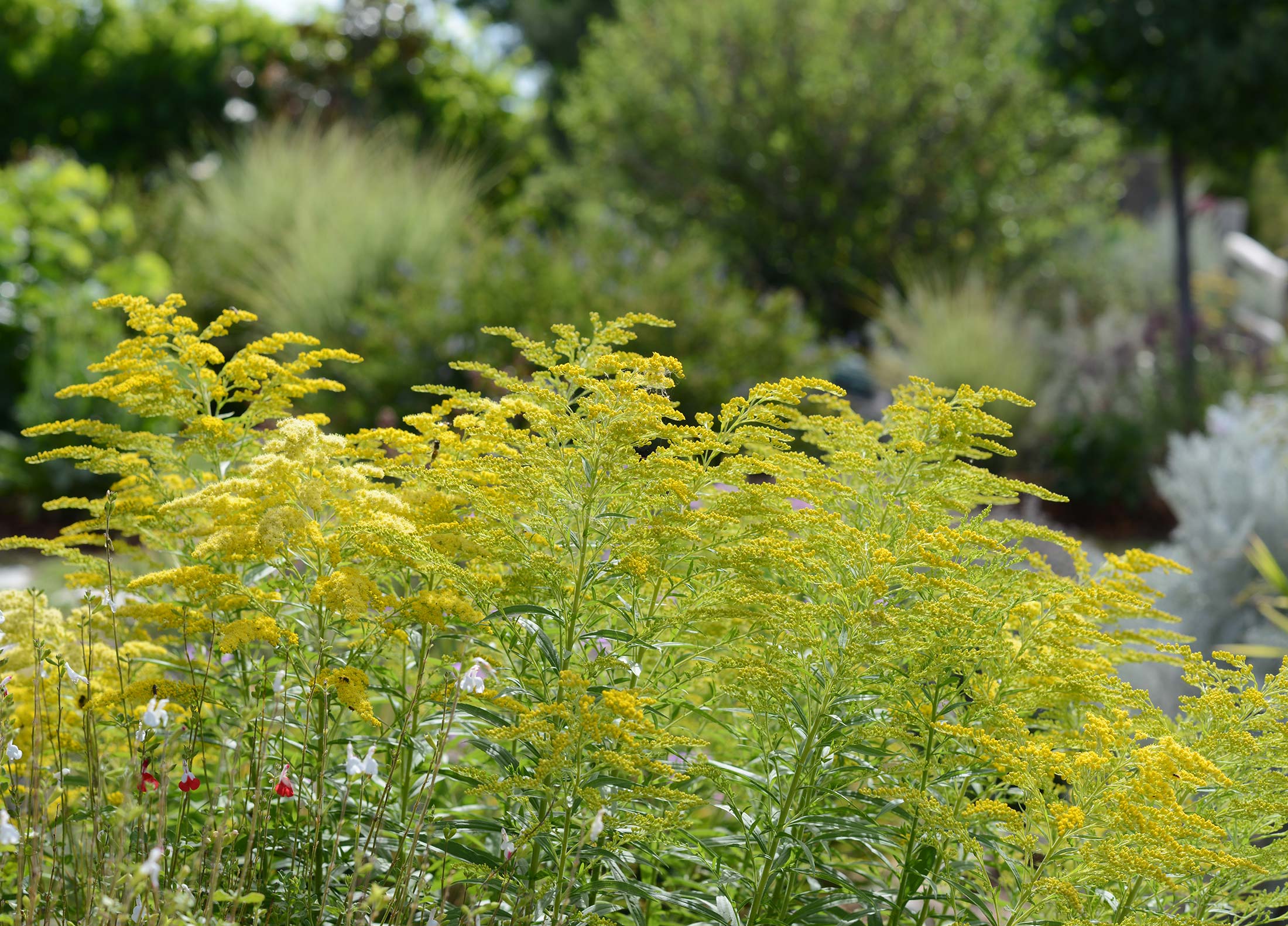
“Summer ends, and Autumn comes, and he who would have it otherwise would have high tide always and a full moon every night; and thus he would never know the rhythms that are at the heart of life.” ~ Hal Borland
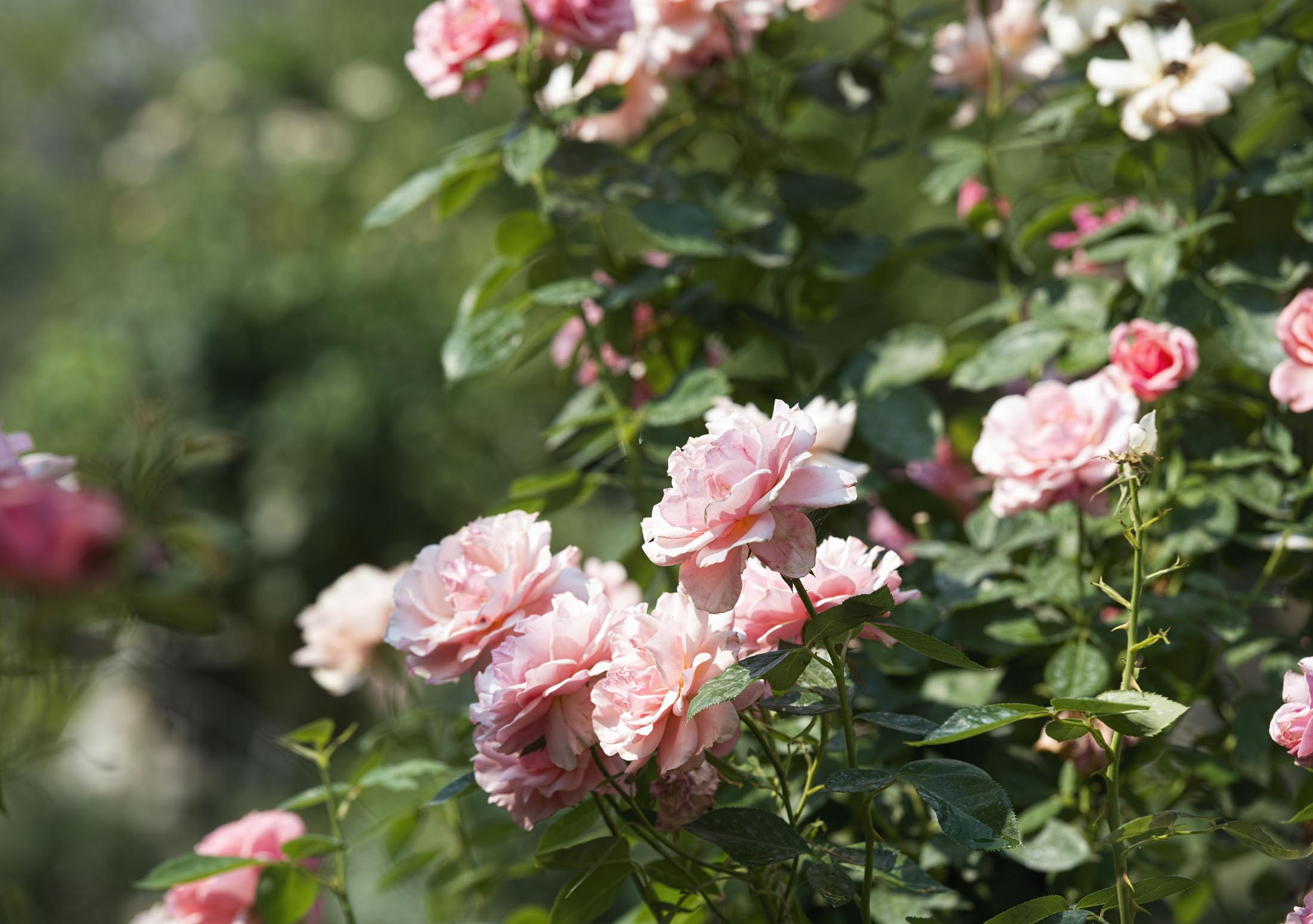

Which is not to say that fall is not busy in the garden. The beds must be raised in preparation for winter rains, the bulbs planted, and the leaves mulched. And then, there is all the catch up required after a summer of distracting puppies!

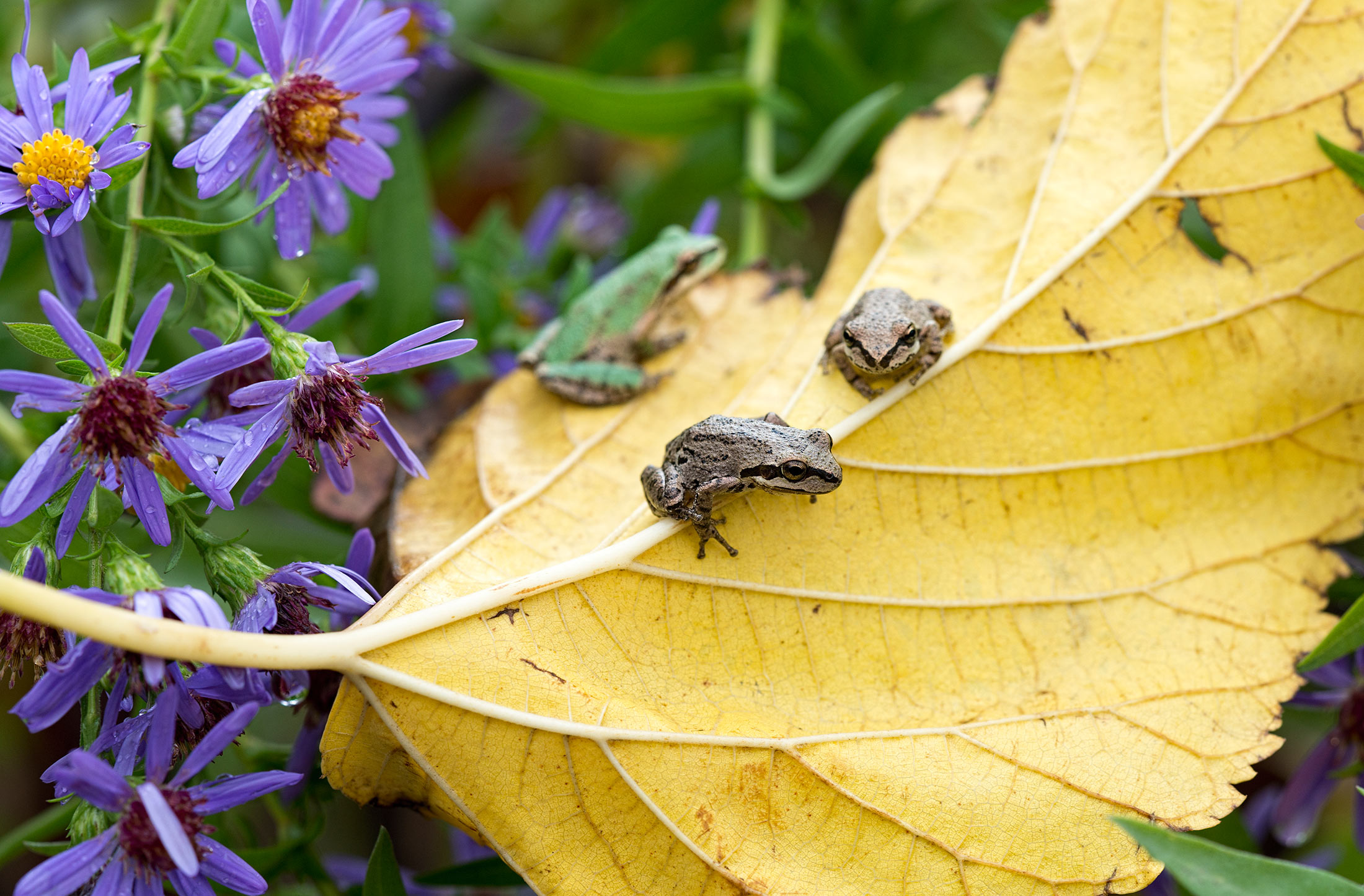
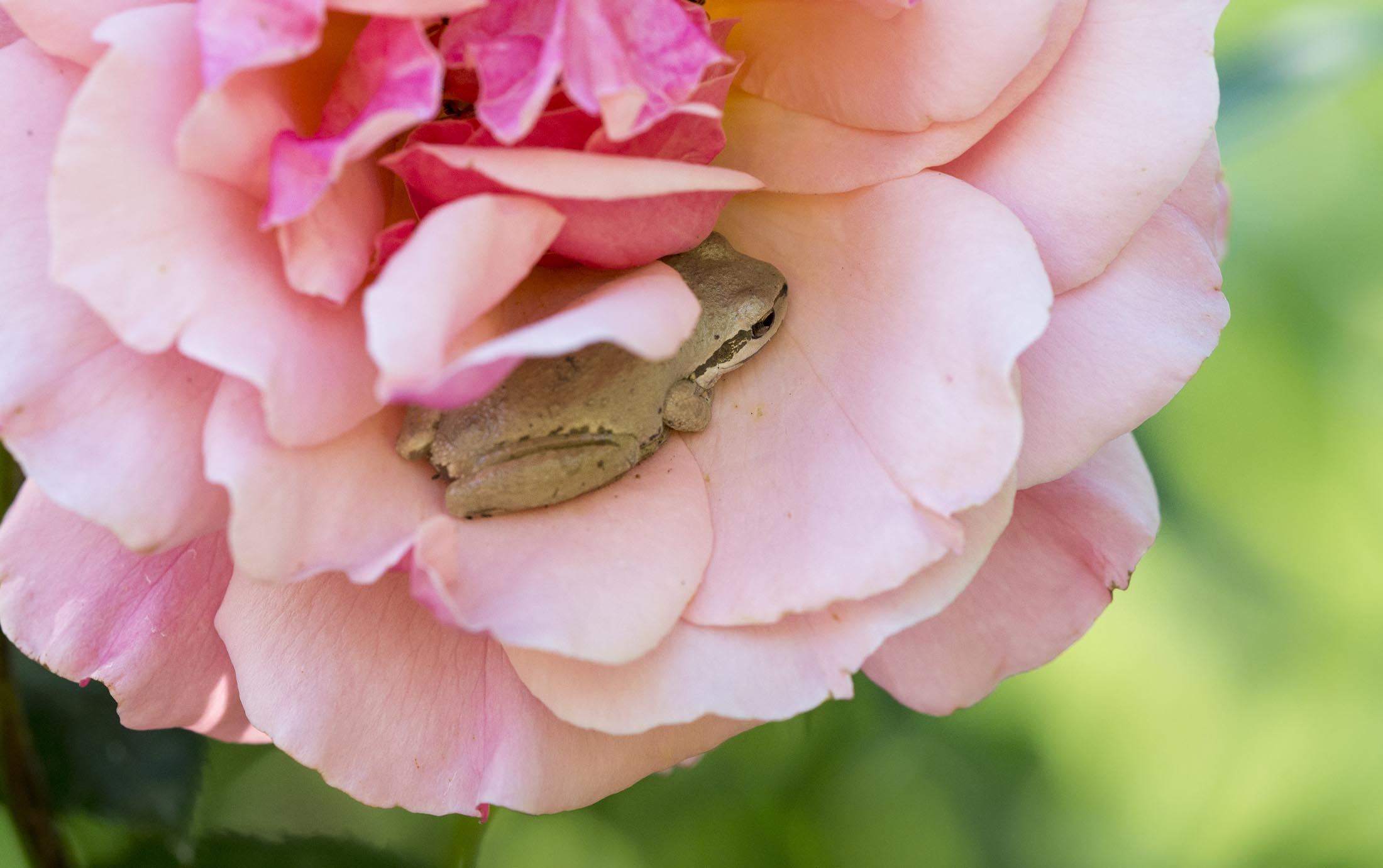
The garden work provides time for reflection while surrounded by the chirping of tiny frogs in fading rose blossoms,
the call of birds gathering by the hundreds, and the watchful eyes of a beloved friend.

The low asters beckon to their relatives towering above them – all started from one transplant from the Historic Sacramento City Cemetery.
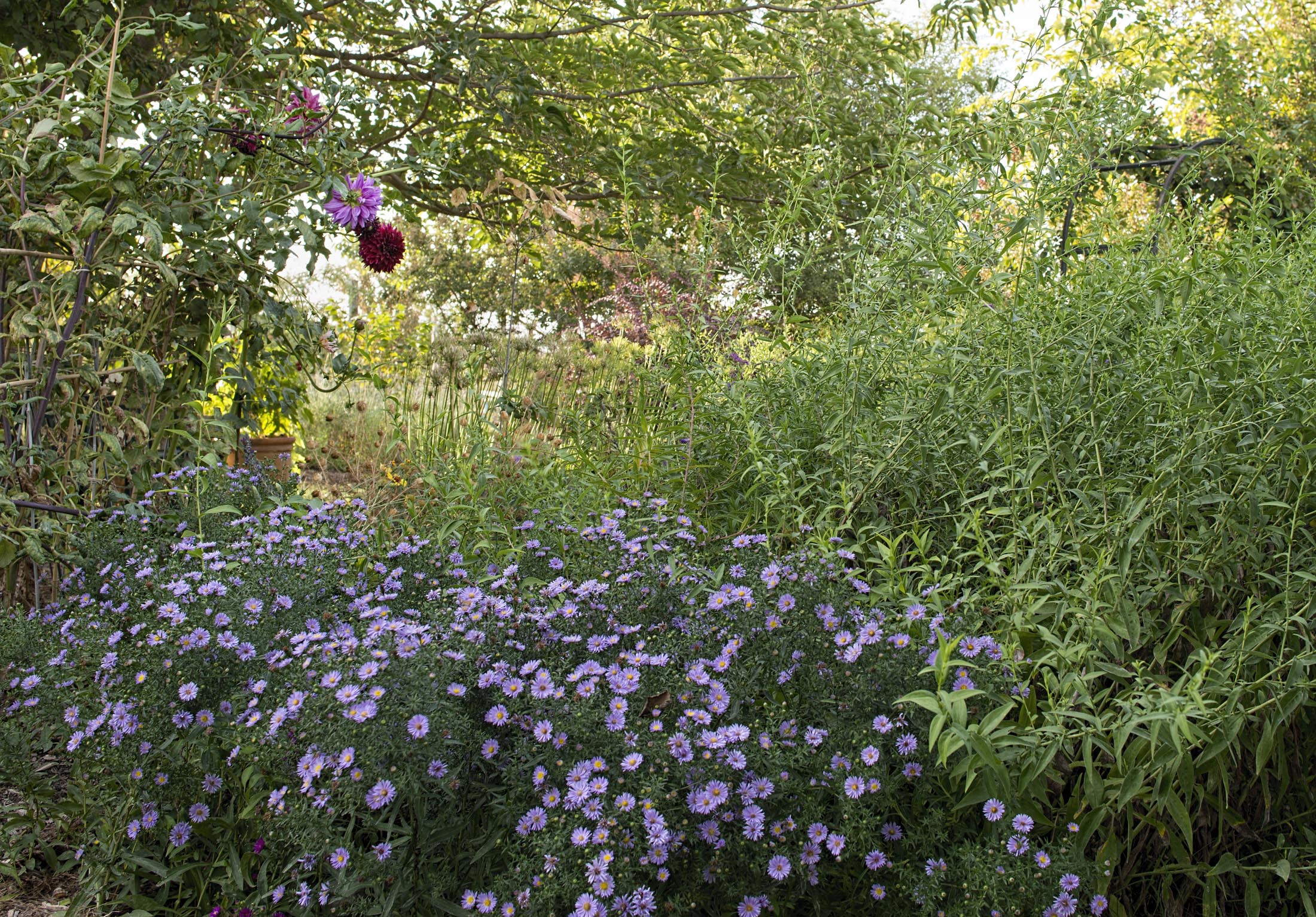
They will soon create violet waves across the garden. And as the leaves change color and drop to the ground, the garden will remind us again of life’s impermanence.

“The days may not be so bright and balmy — yet the quiet and melancholy that linger around them is fraught with glory. Over everything connected with autumn there lingers some golden spell—some unseen influence that penetrates the soul with its mysterious power.” ~ Northern Advocate

Here’s to warm afternoons turning to sweaters, and green turning to purple and gold glory. Here’s to fall.
What Becomes A Garden?


I knew something had changed when I drove up. The unkempt garden signaled a passing.

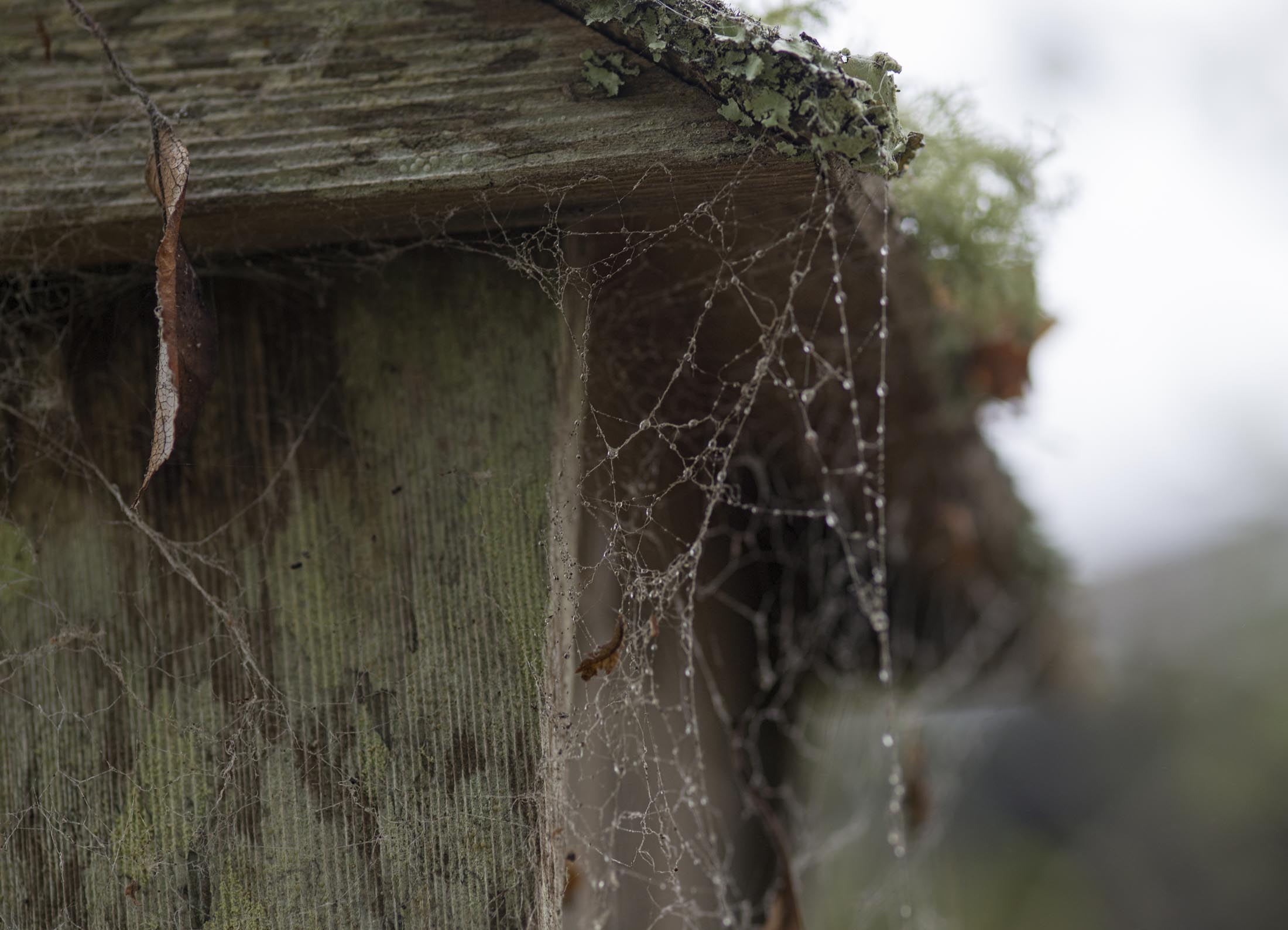
The sorrow was unmistakable in the moss and web-covered eaves,

encroaching weeds,

and empty chairs where once everyone gathered.

For years, the eclectic garden by the ocean was shaped and tended by one of the two innkeepers.

I learned that he had passed last spring. The grief was profound; the daily tasks too much – and the garden fell into disrepair.

If our stay was longer, I would have asked for the tools to restore some semblance of order – as a tribute to the gardener who kept it so well.

I think about what will become of our beautiful Memorial Garden someday when I am gone.

I know that it is the cycle of life for nature to reclaim what is rightfully hers.
Whatever we carve out of this earth is only temporary.

Nature was here long before us – and will, hopefully, long survive us.

But a garden carries the souls, I think, of those devoted to it.

From dust it is born –
to dust, it is someday returned.

Chperwerksek: “I remember”

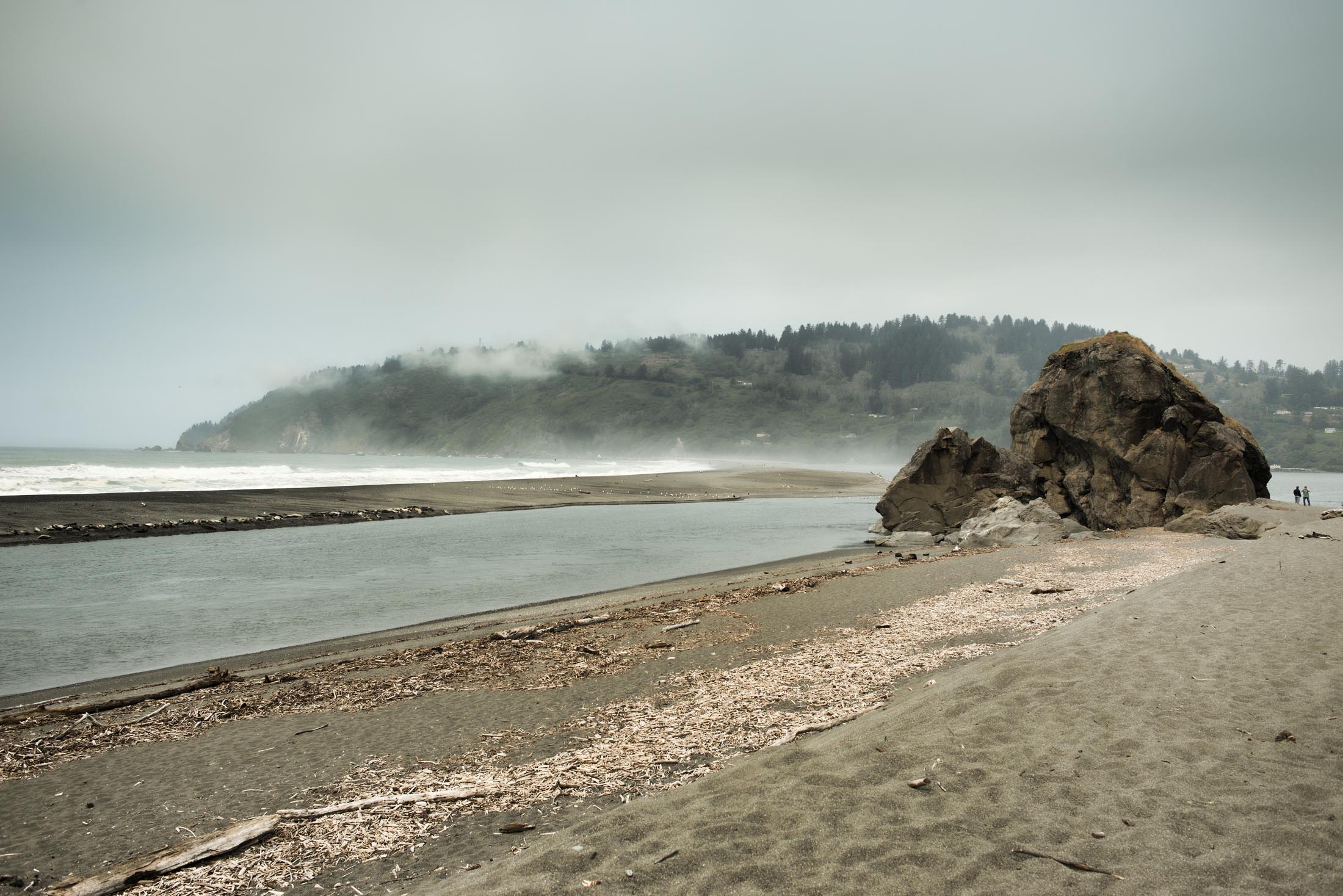
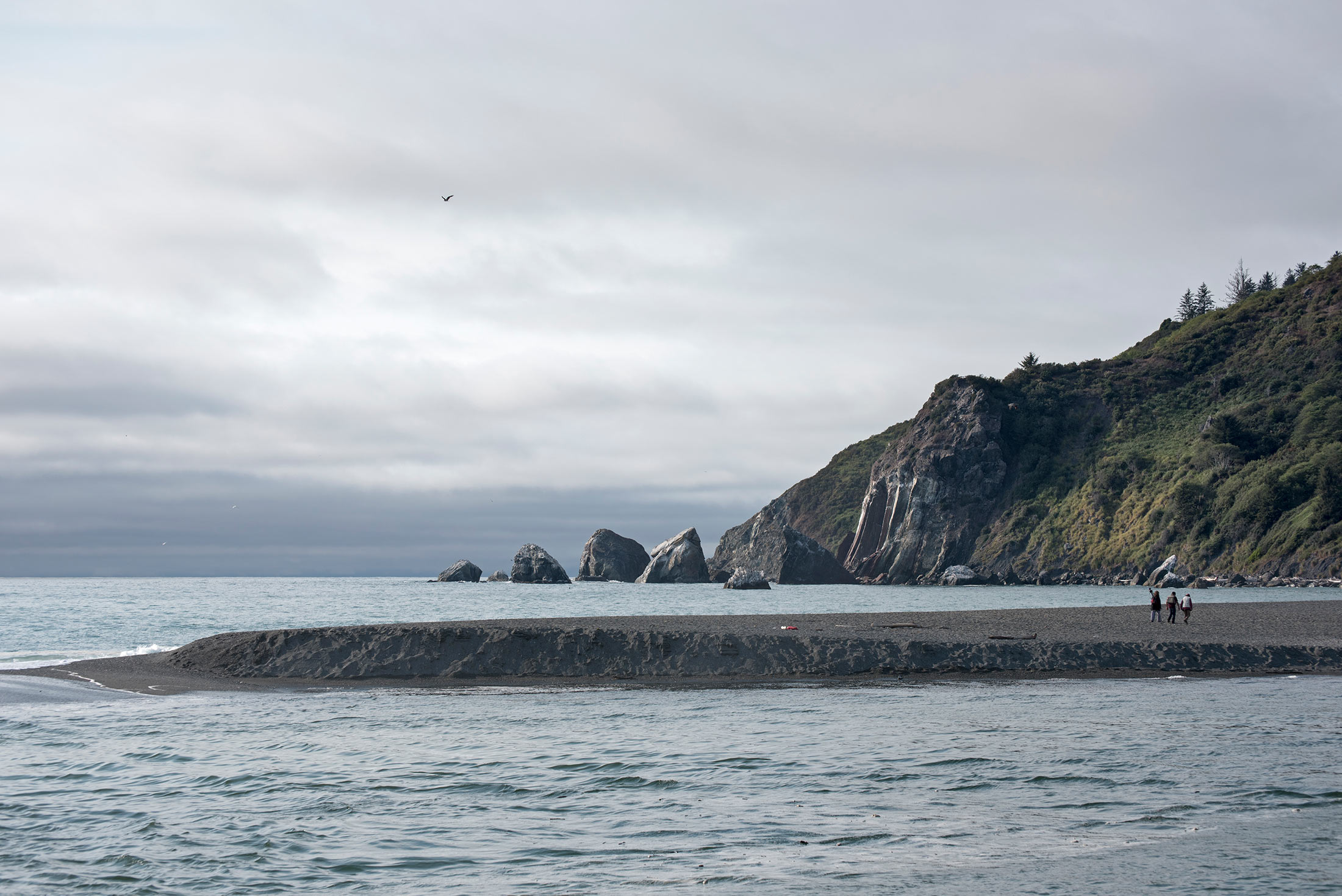
We made our way back to Klamath, CA again this year. It has been a lifelong annual trek for my husband who is from the Yurok tribe. He spent his summers there as a boy and teen at their family run, “Dad’s Camp” – a long span of beach where the Klamath River meets the Pacific Ocean.

Dad’s Camp was acclaimed up and down the coast for the huge runs of chinook salmon – and his grandmother’s famous blackberry pies.

The resort/campground owned by the Williams family was a summer home to hundreds of family members, friends, and visiting fisherman for decades until the river changed and wiped the campground out.

Up until a few years ago, we camped on the beach with enough extended family to ward off bears and mountain lions. There is nothing like the rest you get in a tent on the beach as the rhythm of the waves lulls you to sleep.

When the patriarch of our group passed away, people scattered, and we moved to the river. Beautiful and peaceful in its own right – but different.

All things change in time – but this year saw the greatest. A record low number of salmon were forecast to return to spawn this fall. Despite the winter rains, five years of drought and restricted flows due to upriver dams had a devastating impact. The lowered and warmer water birthed a deadly parasite that infected up to 90 percent of the juvenile salmon in the river while warm ocean conditions reduced the fish’s usual food sources.
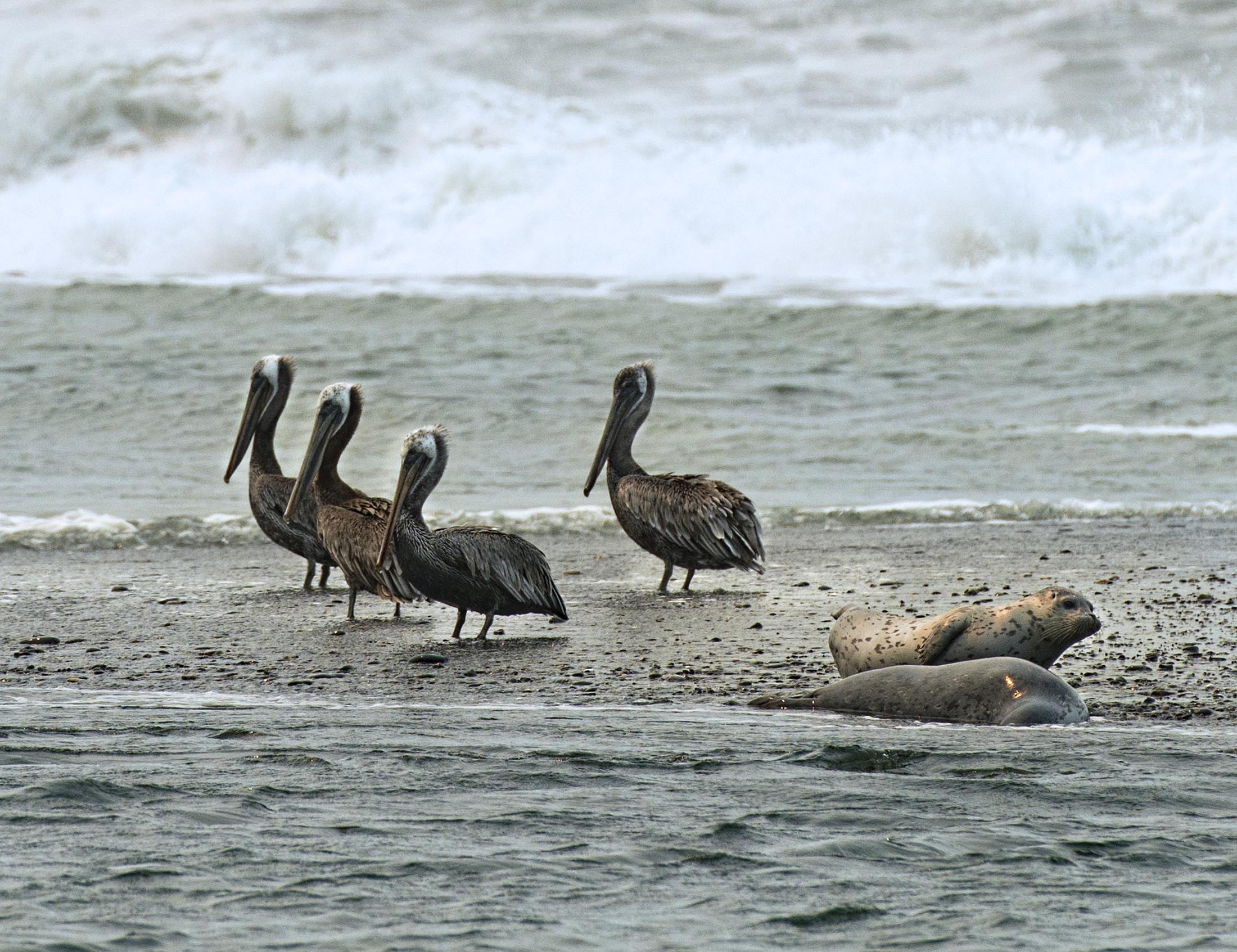
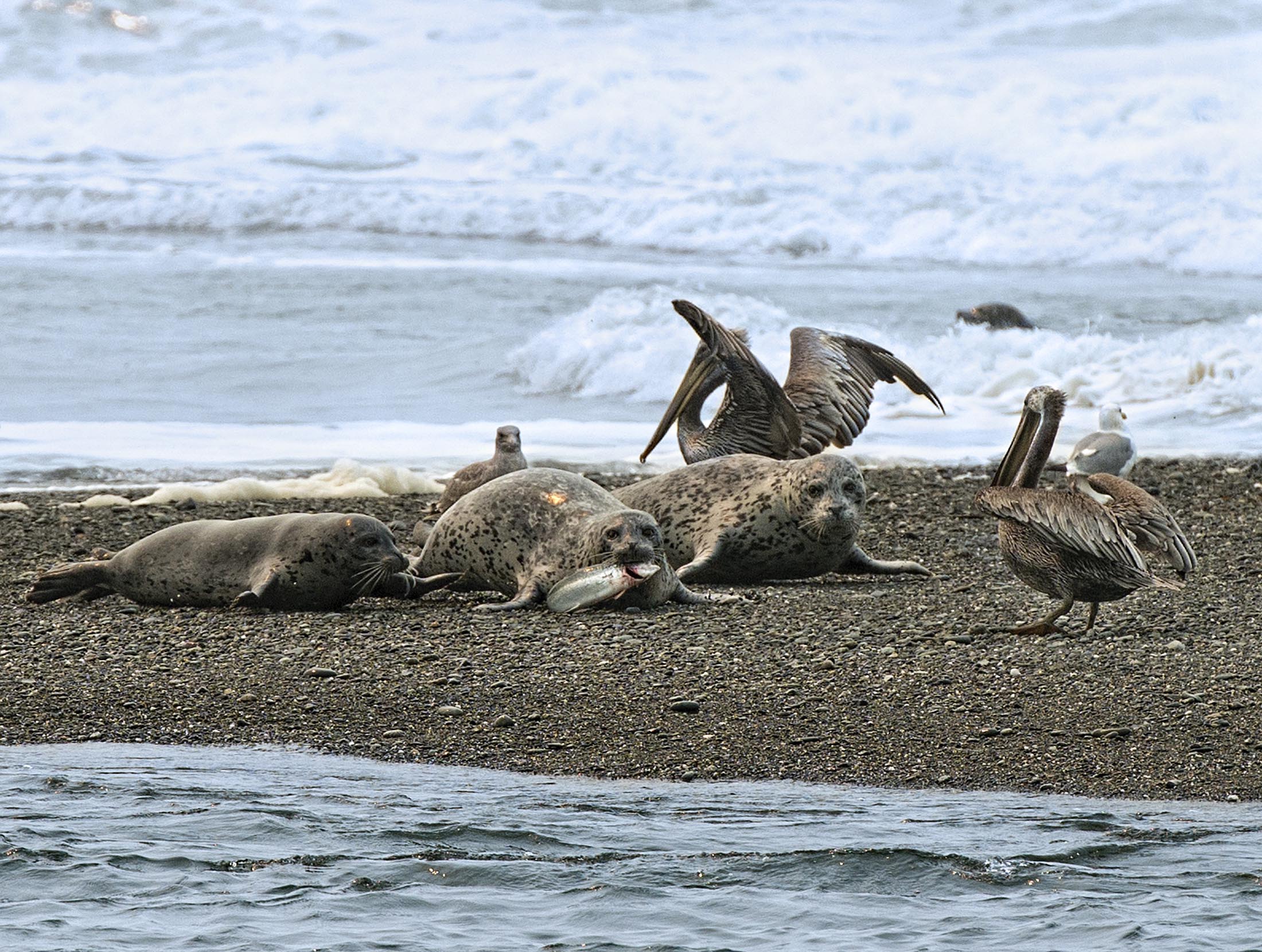
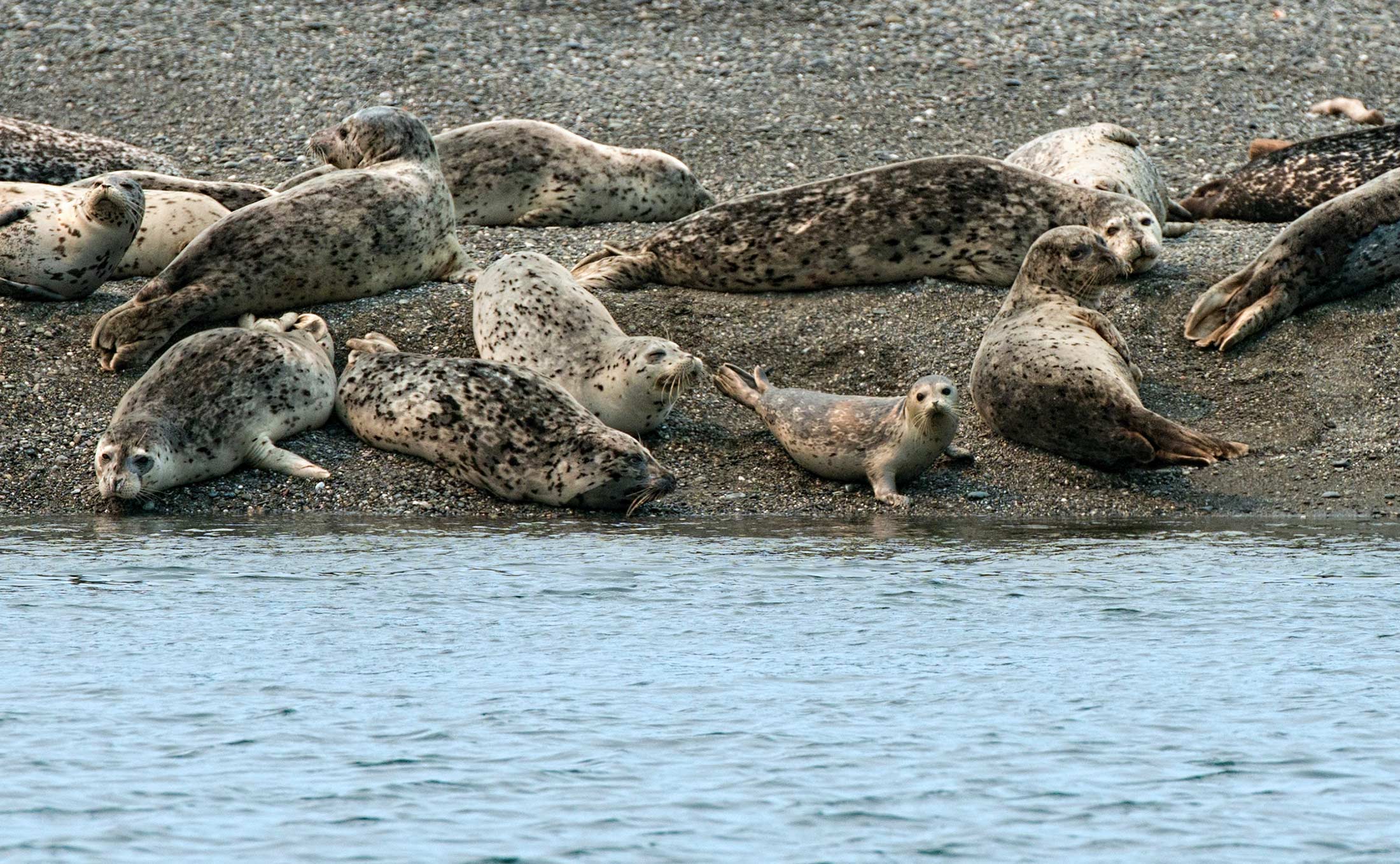
With severe catch limits in place, fishing was curtailed about as quickly as it started. The fisherman who once lined both banks, battling shoulder-to-shoulder were replaced by empty beach, seals, and pelicans.


At least their catch was good.


In between meals, the seals sunbathed – finally at peace on their beach as nature intended.

The emptiness was a stark and sad reminder of our man-made impact on this magnificent place my husband once called home.

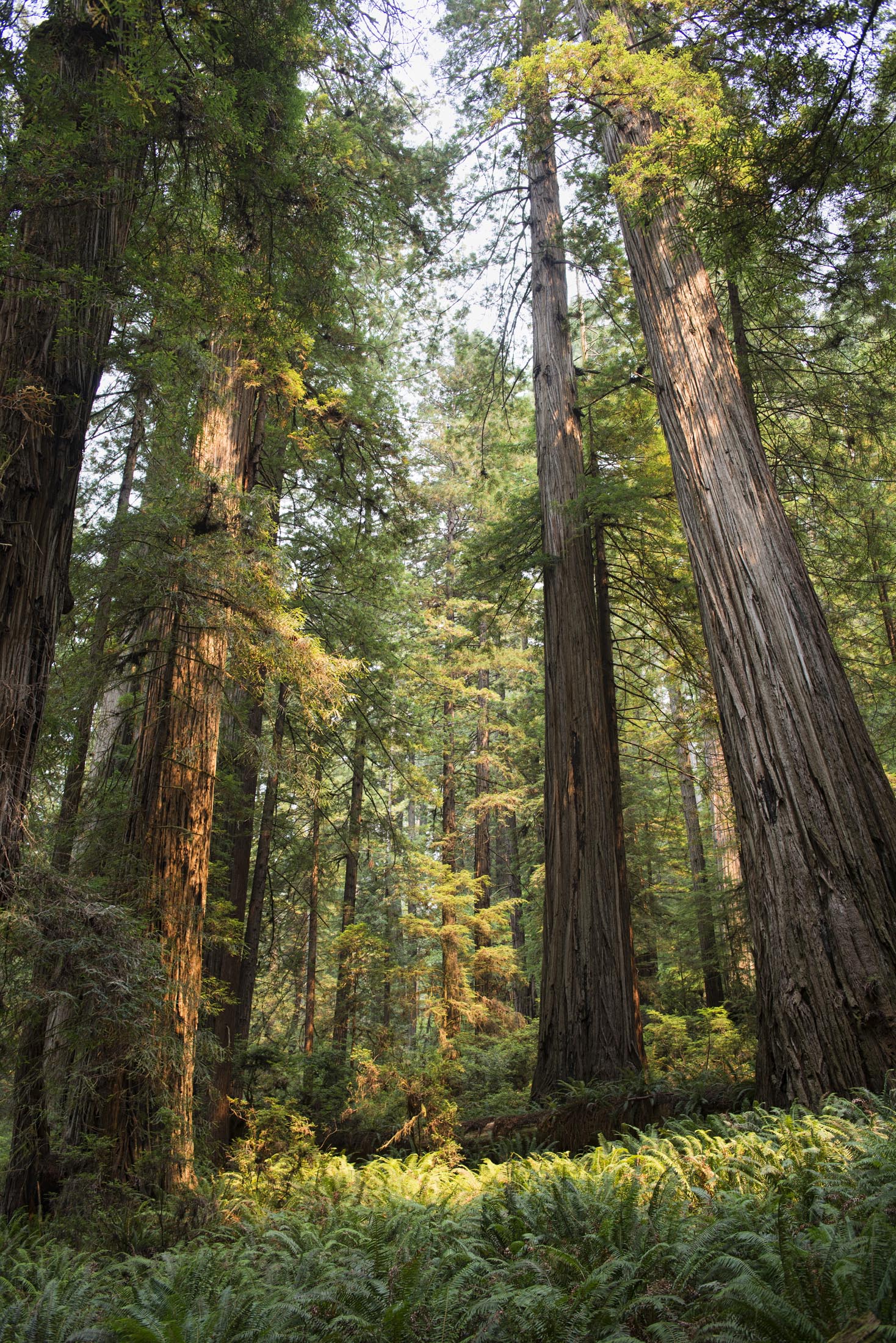
We found solace among the redwoods that still tower. Such majesty.

There is hope for the Klamath salmon. The owner of four hydroelectric dams on the Klamath has applied to remove them by 2020 which may improve the river’s year-round flow. But we are unlikely to return as a family to our beloved camping spot on the beach.

We hold those memories in our hearts. With a few small mementos that carry the sound of rolling waves.

Chperwerksek: “I remember.”


Late Summer’s Tiny Gems

After a blazing hot summer, the garden is in that in-between moment when the summer riot turns tiny and quiet until the fall steps forward in all its glory. You have to look closely in a sea of green for the garden’s little gems.

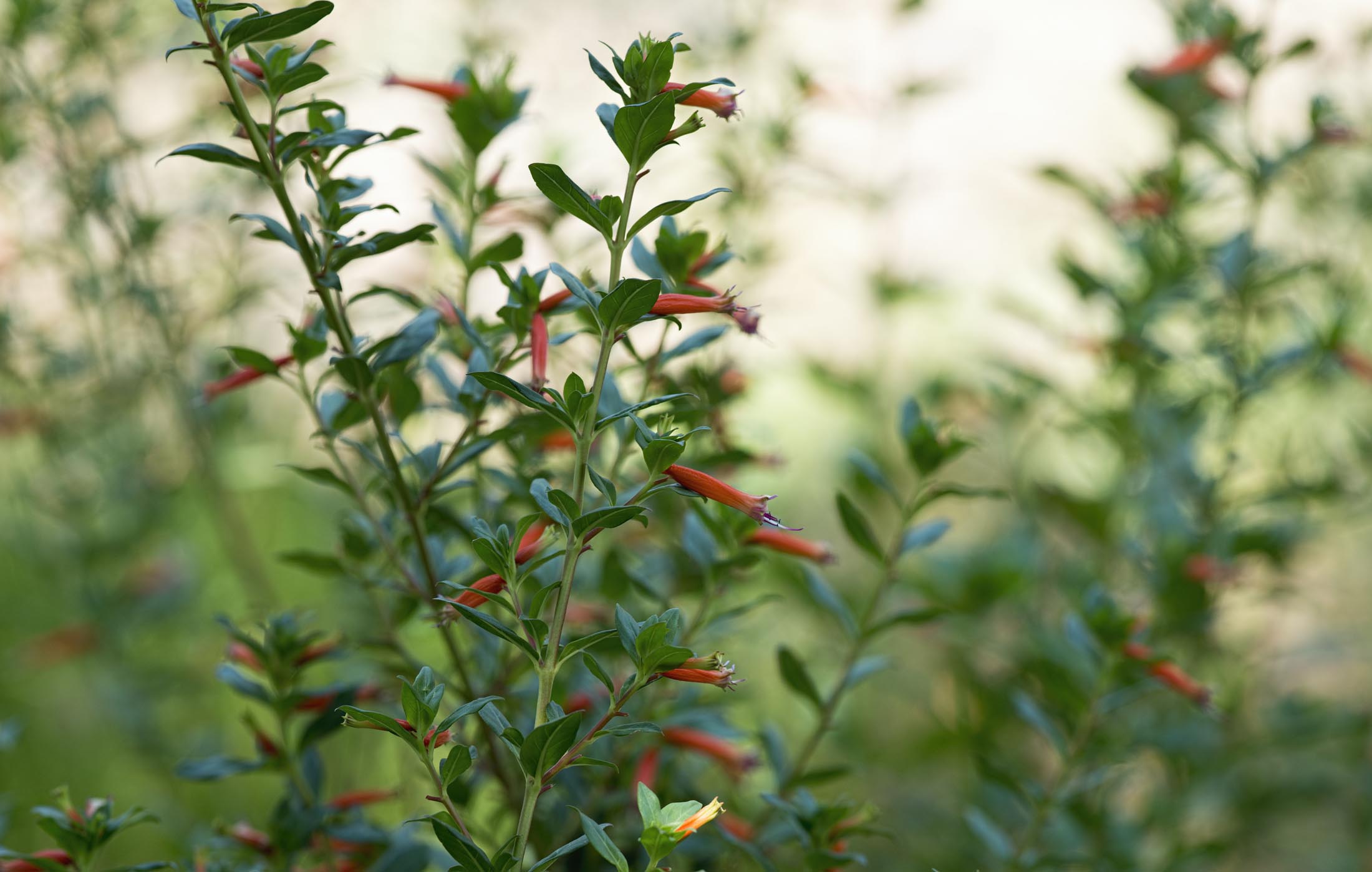
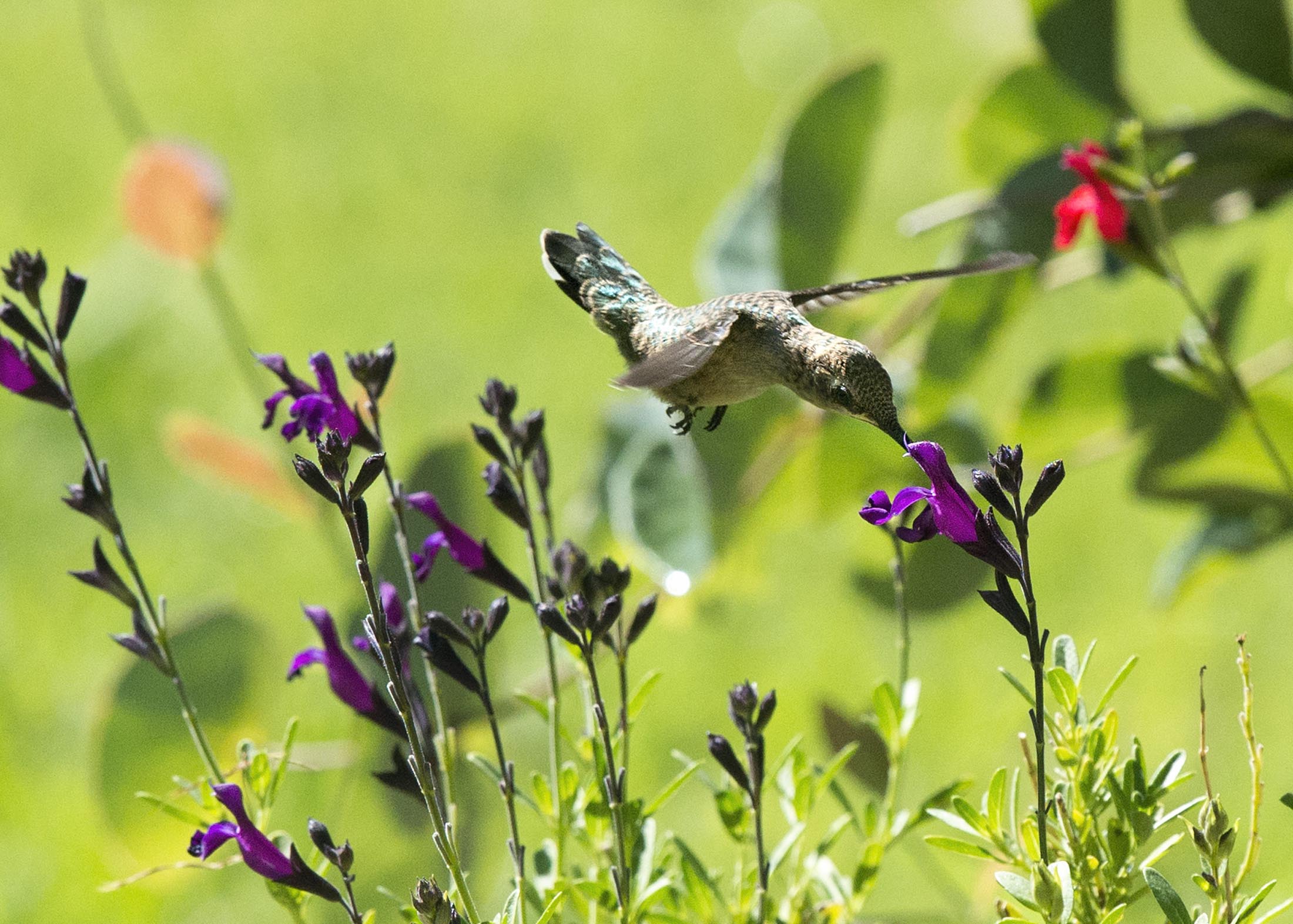
Hummingbird-loving Cuphea ignea.

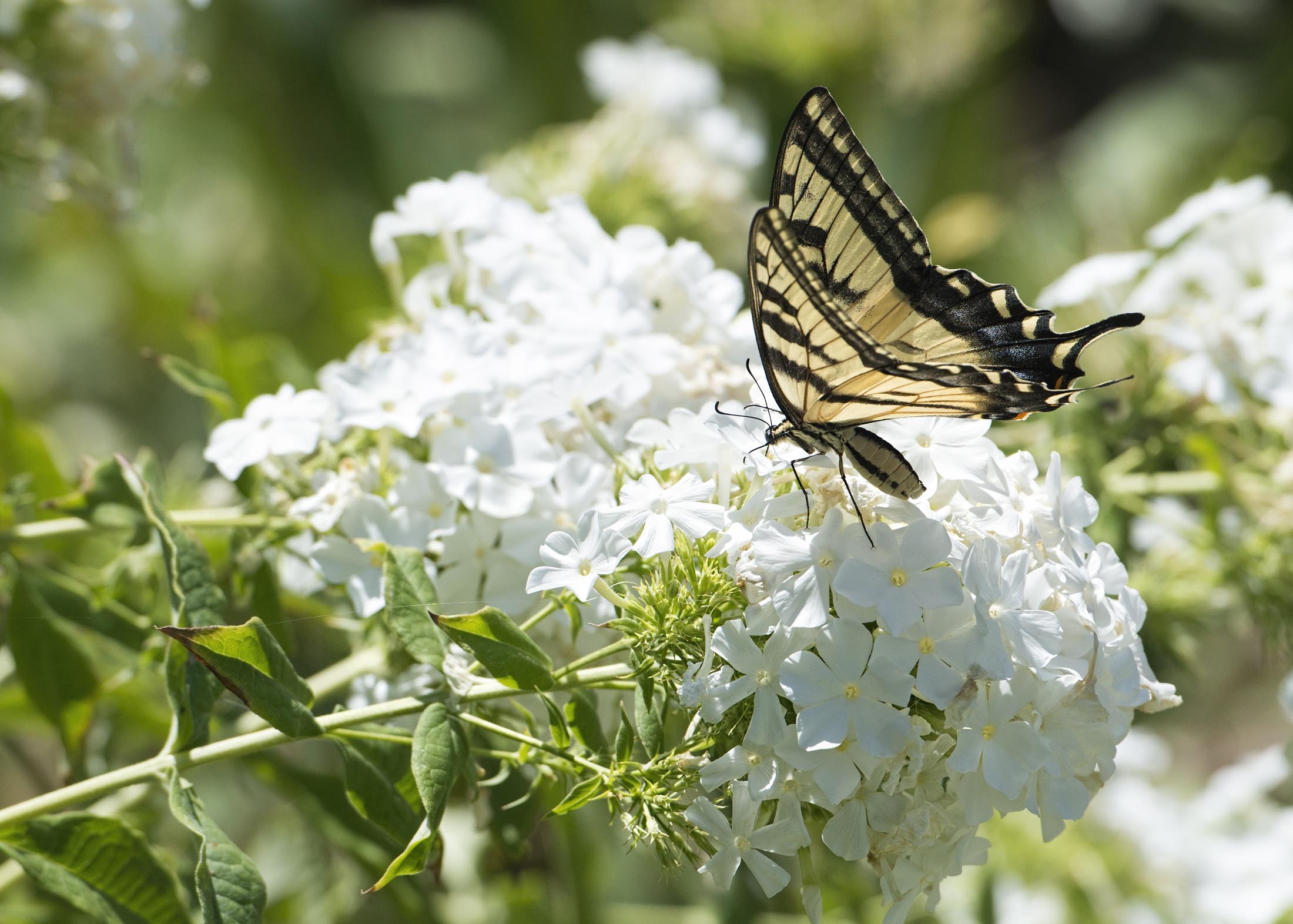
Butterfly favorites Jupiter’s Beard,

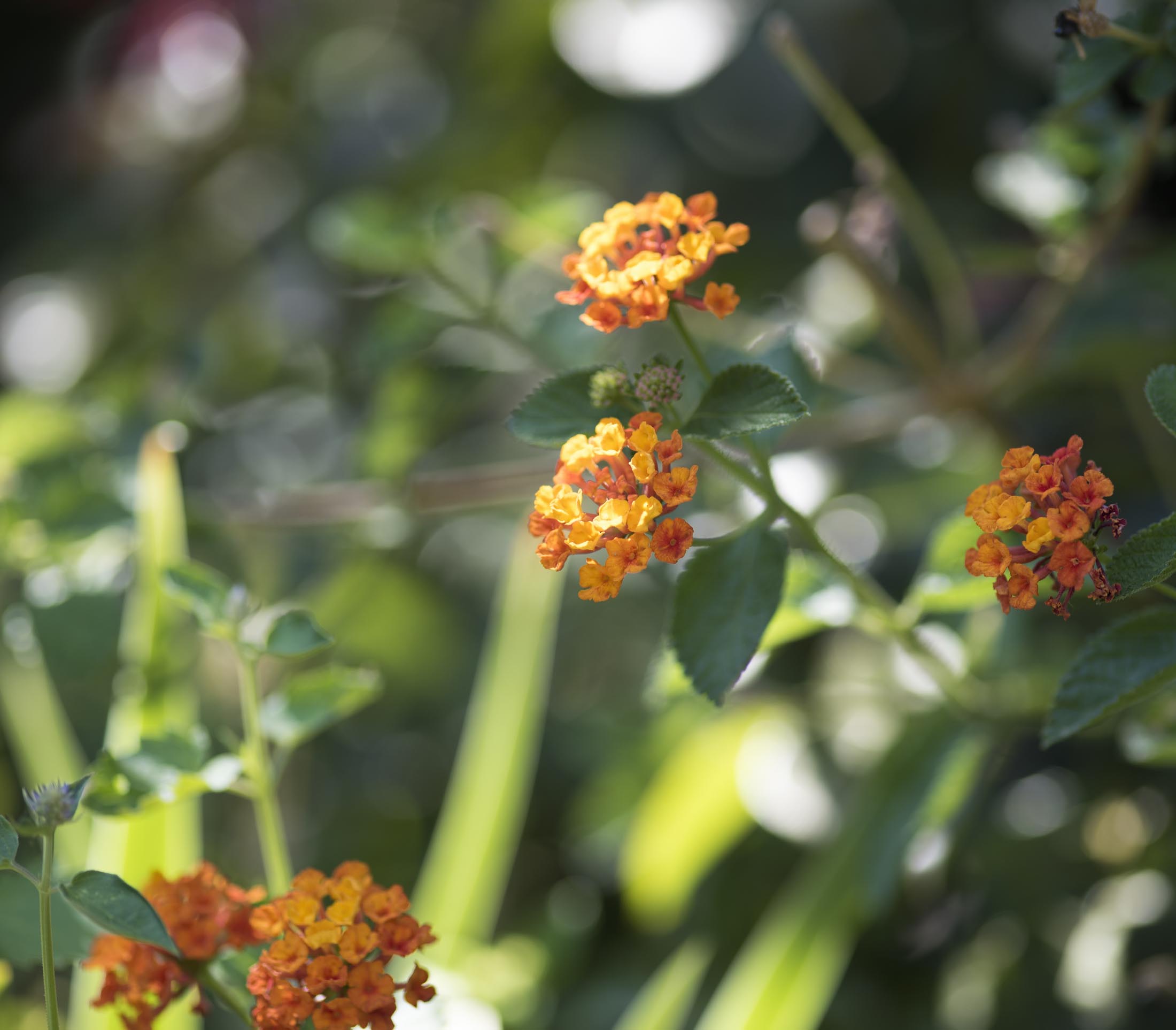
Lantana,

and Butterfly Bush.

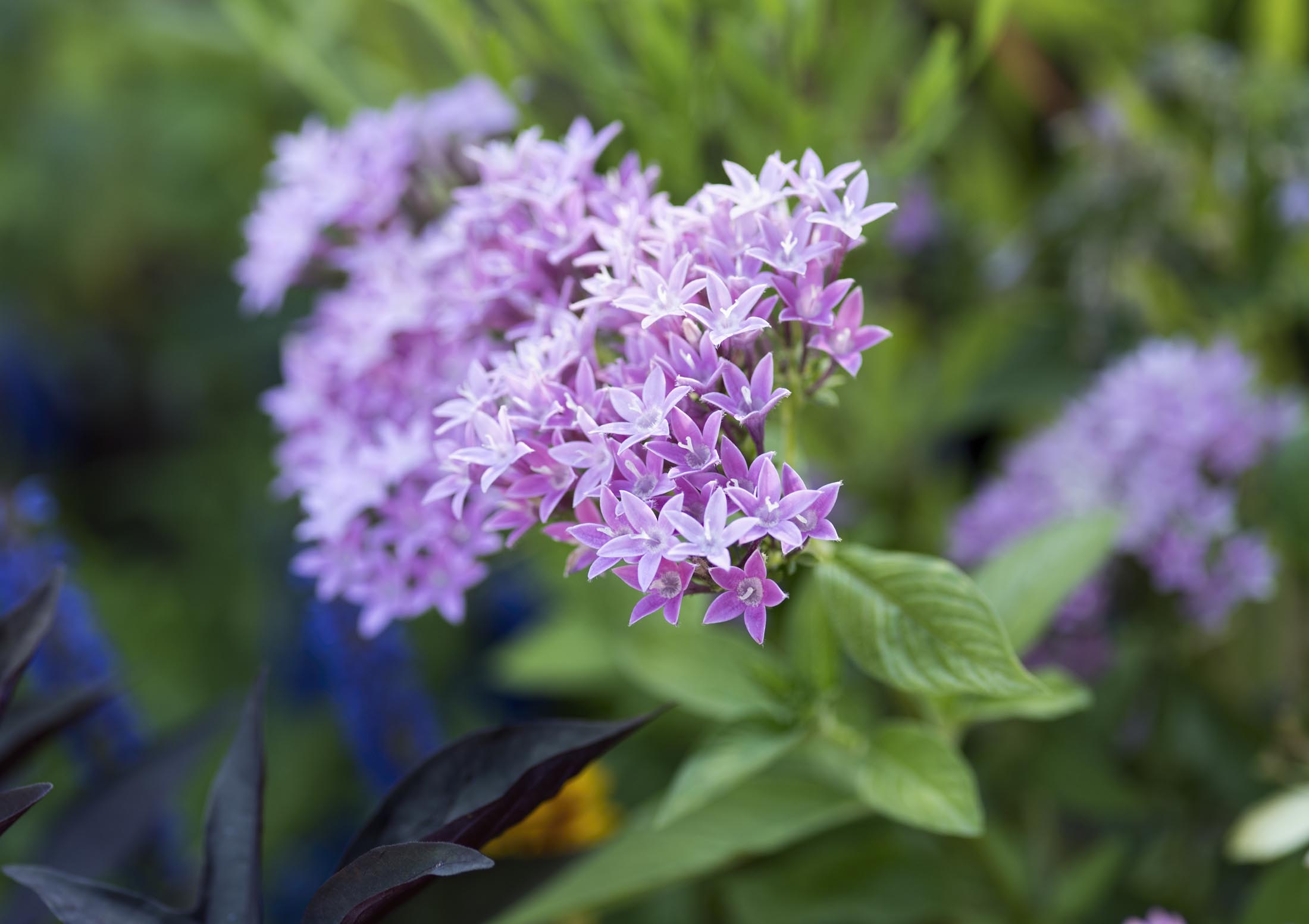
The purples and pinks of Pentas,

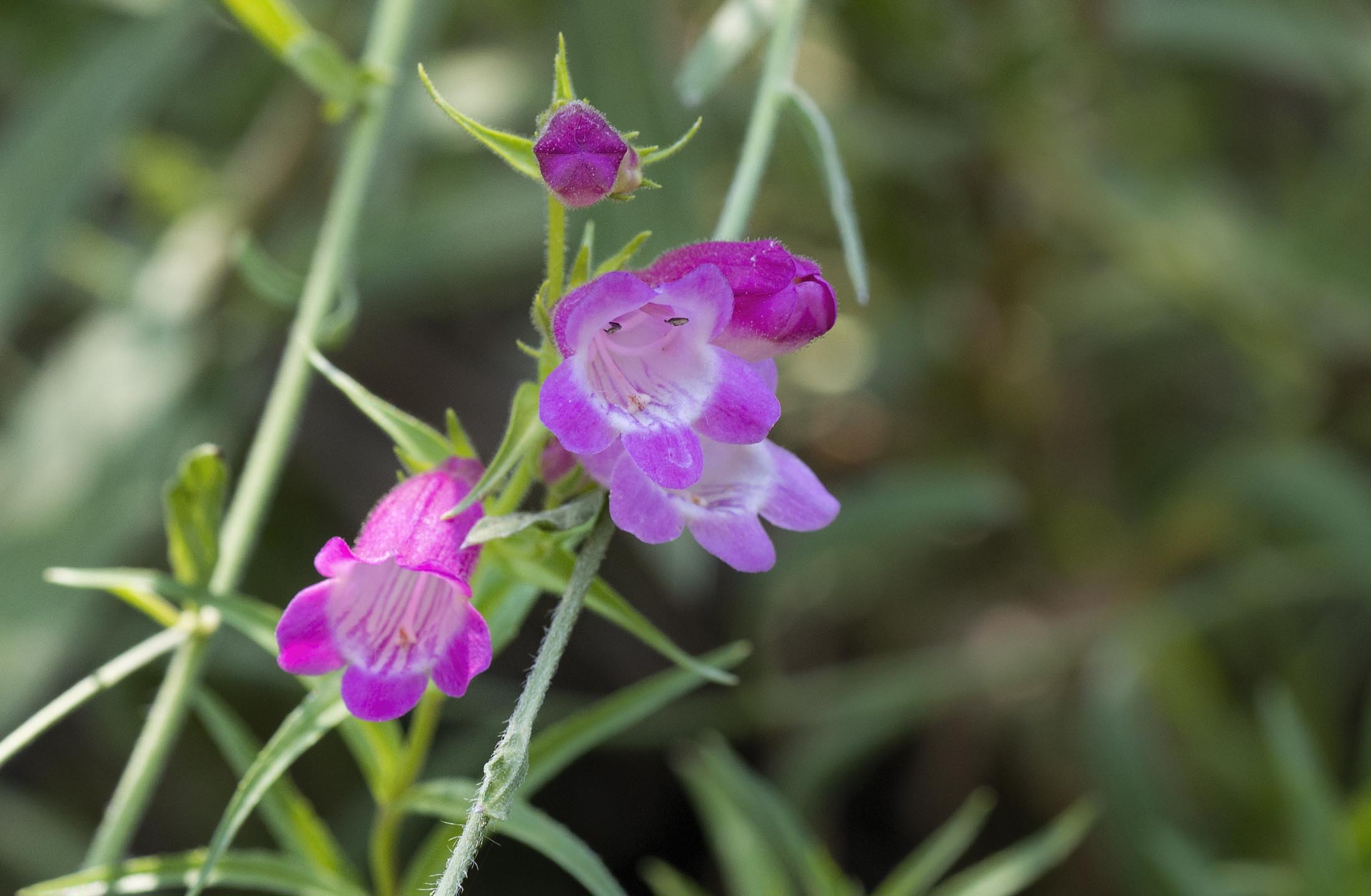
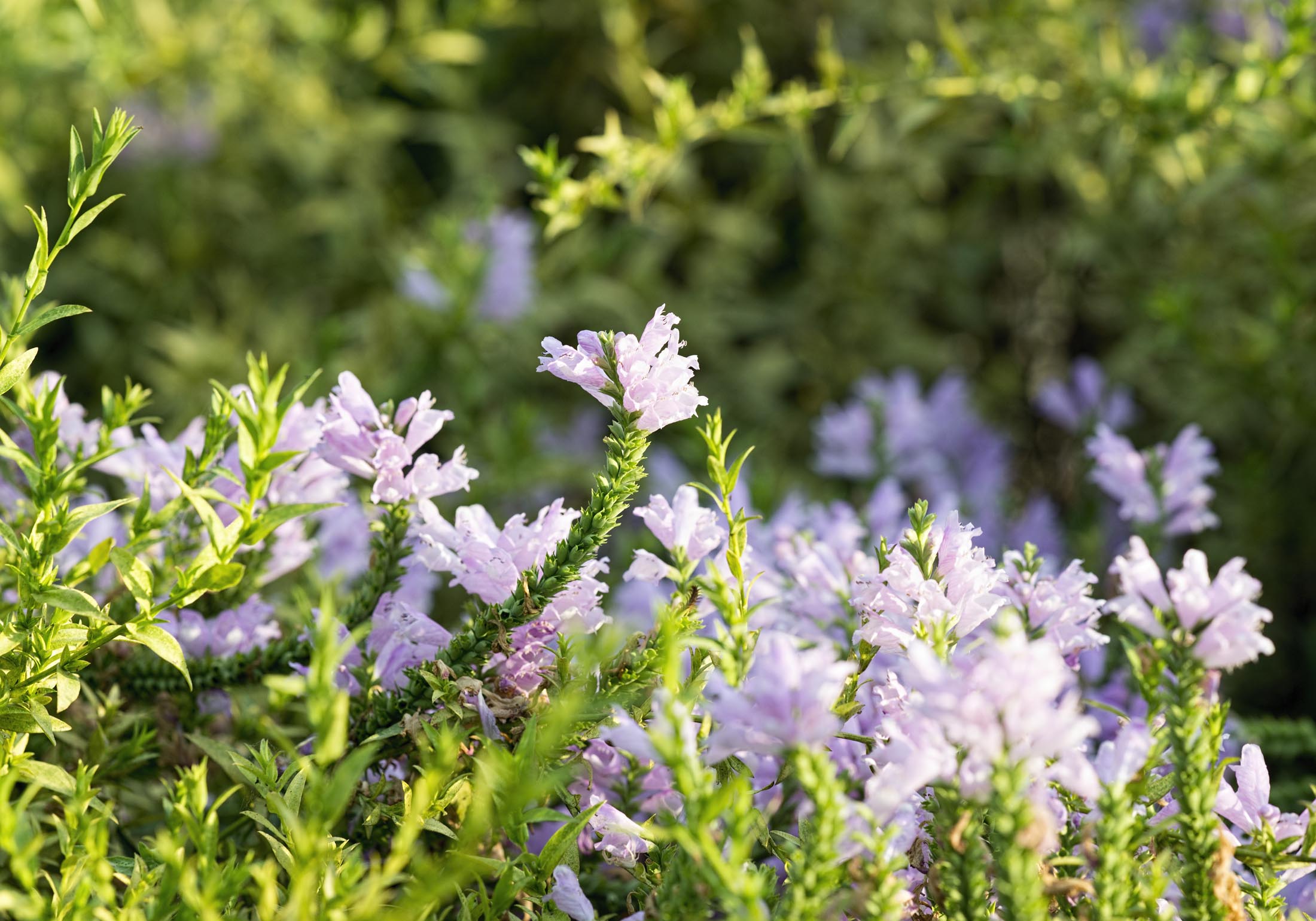
Penstemon,

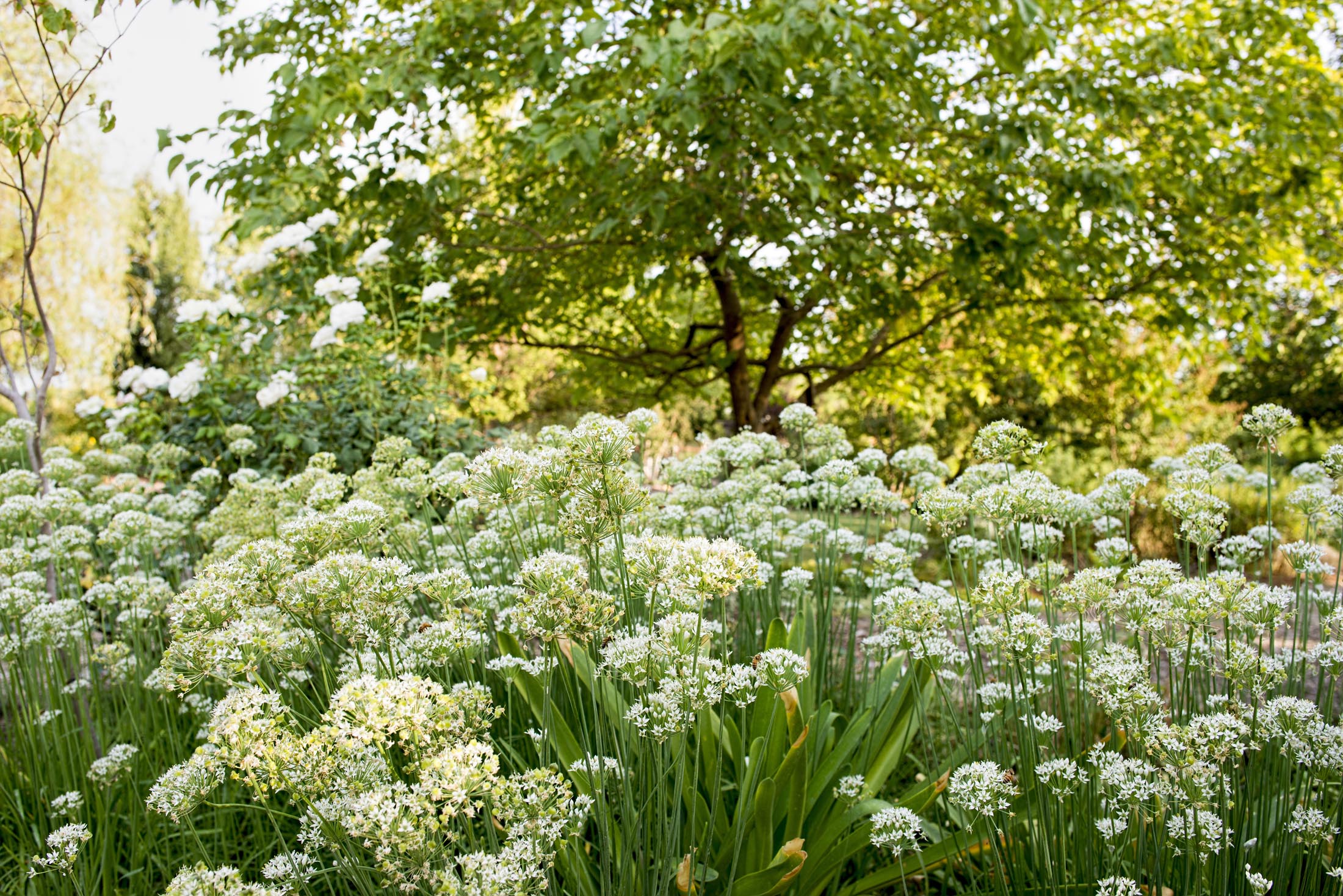
Chives,

And Cosmos bespeckle the beds – their large drifts long gone.

Dainty Veronica tries to stand tall,

while bright Rudbeckia hides under the White Orchid tree to escape the hot sun.

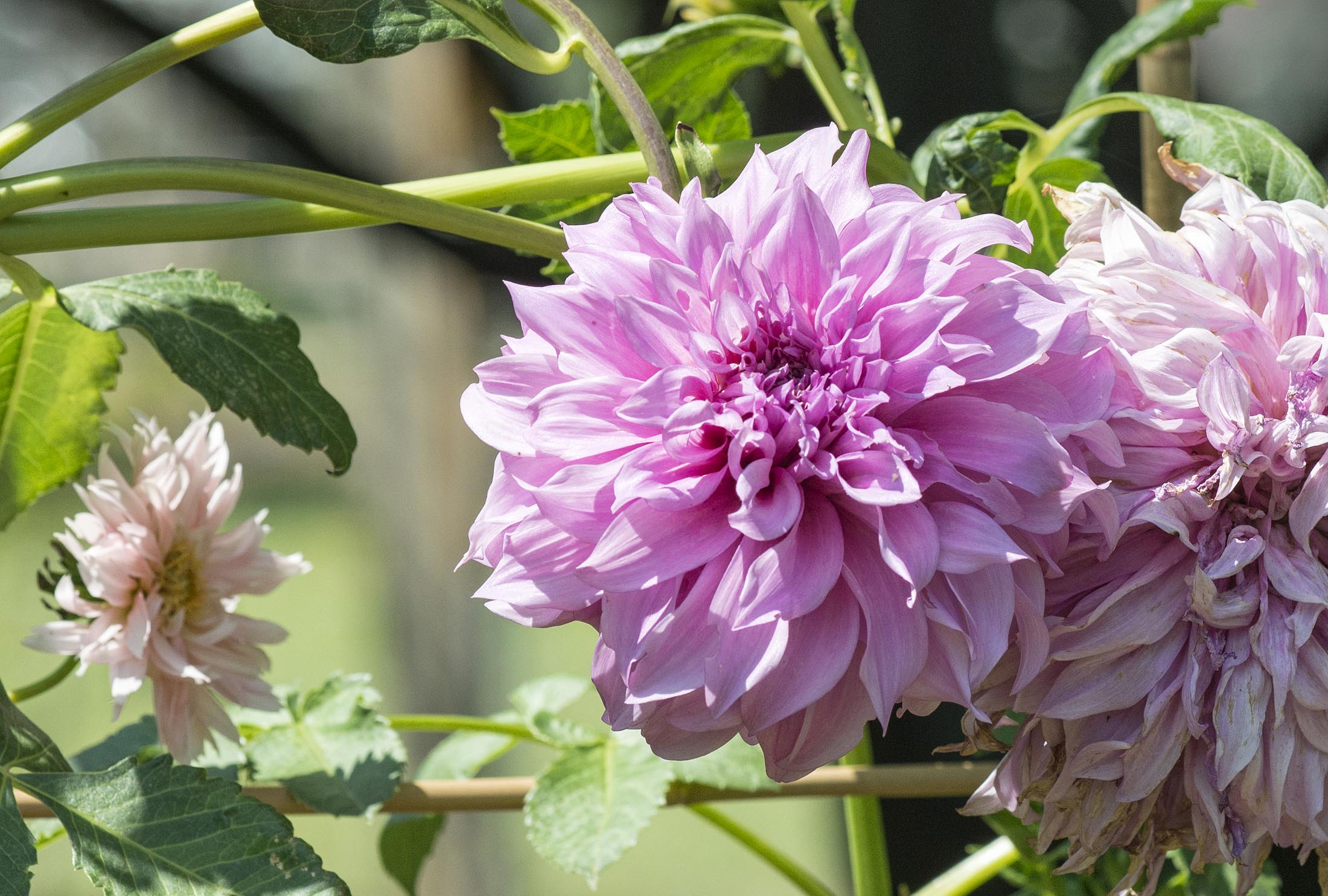
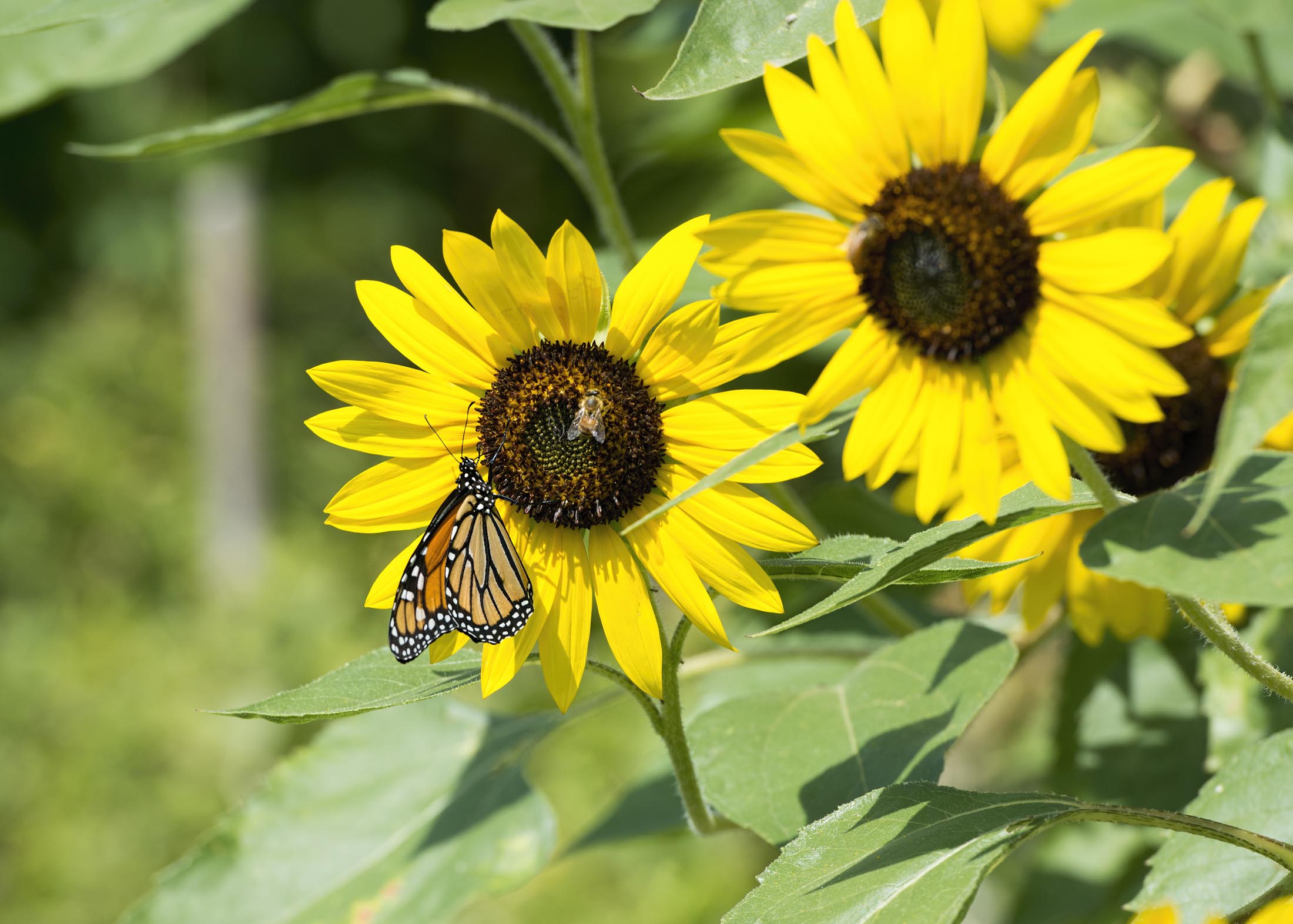
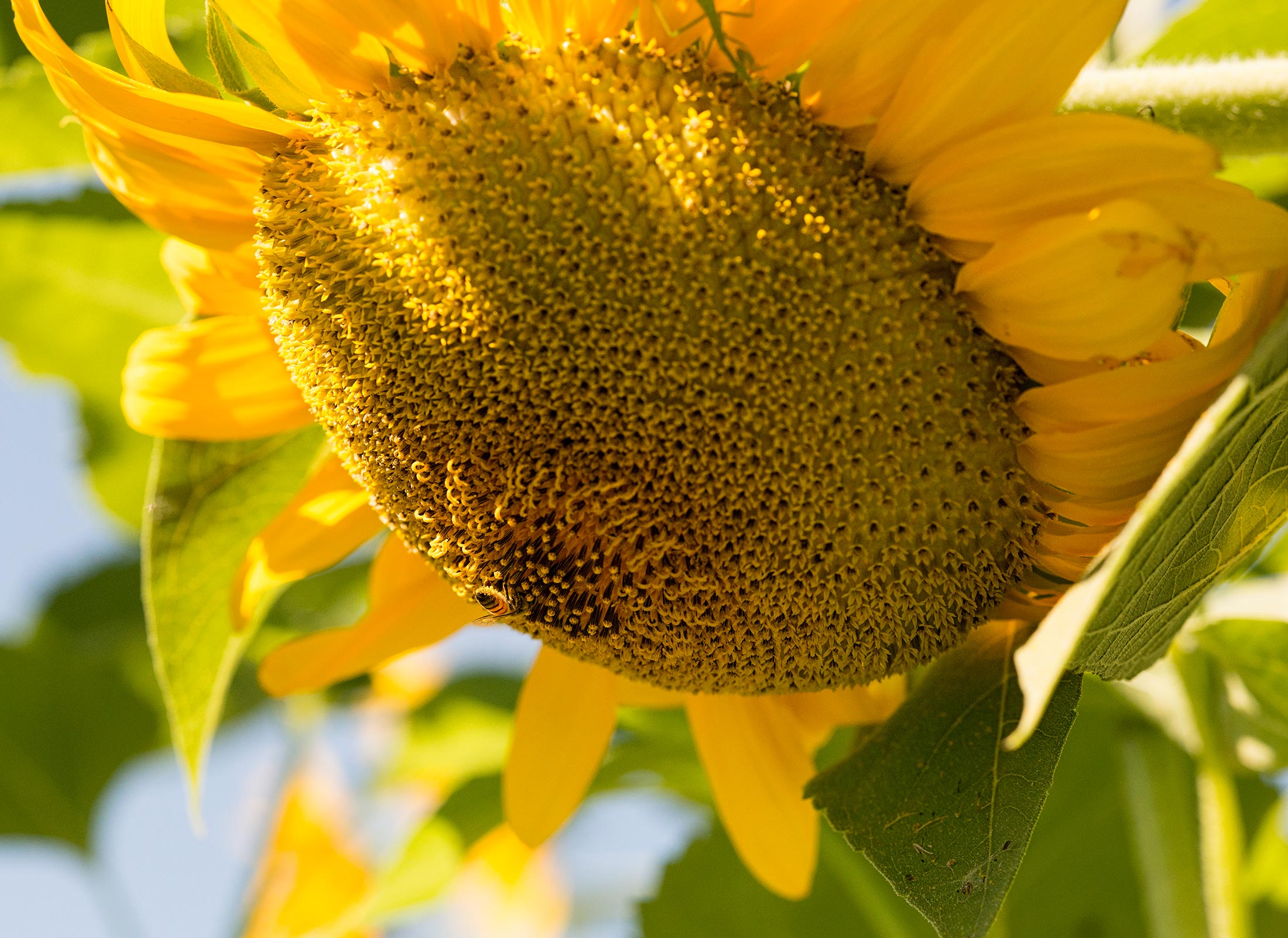
Only the Dahlias and Sunflowers dare to be bold.

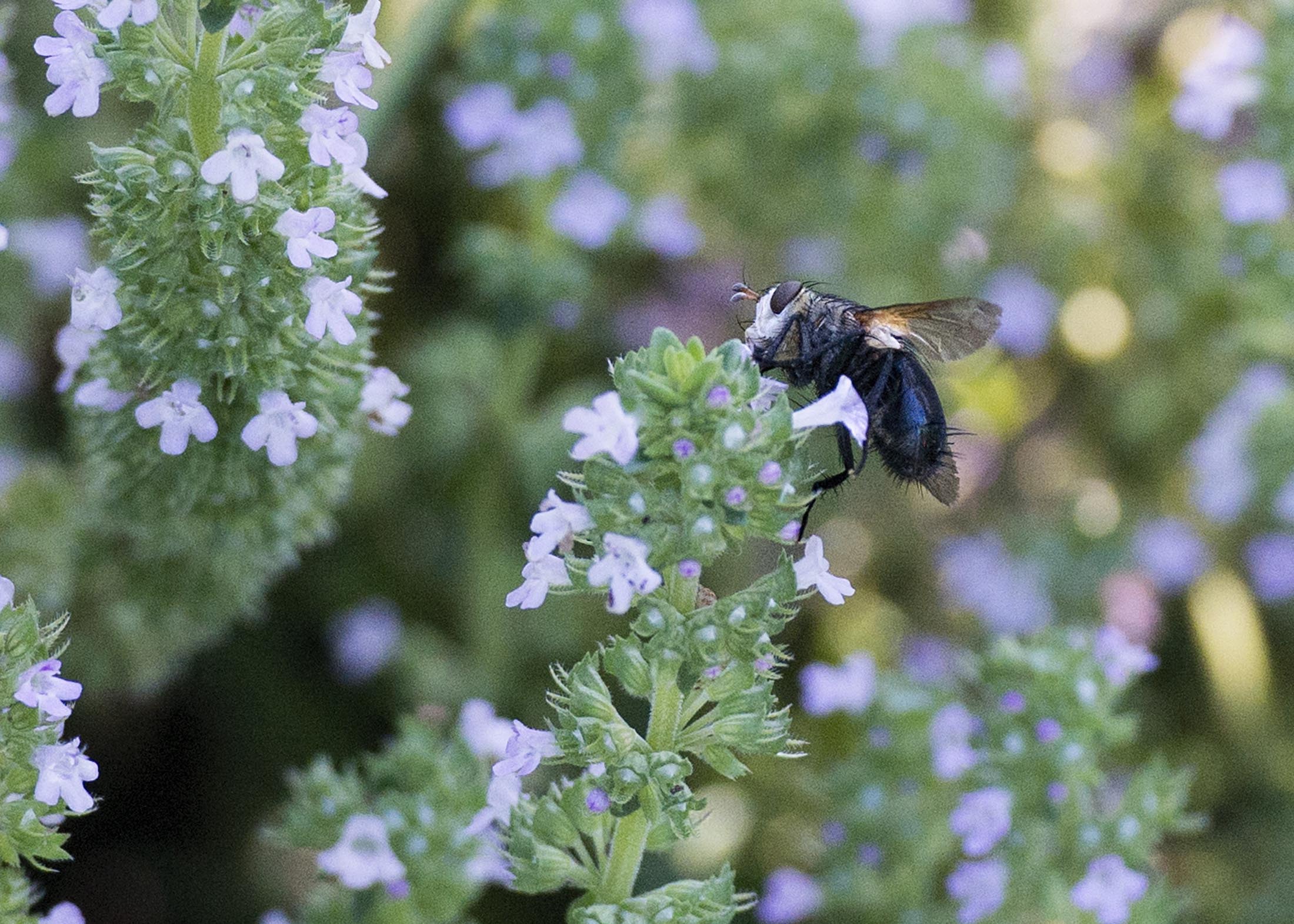
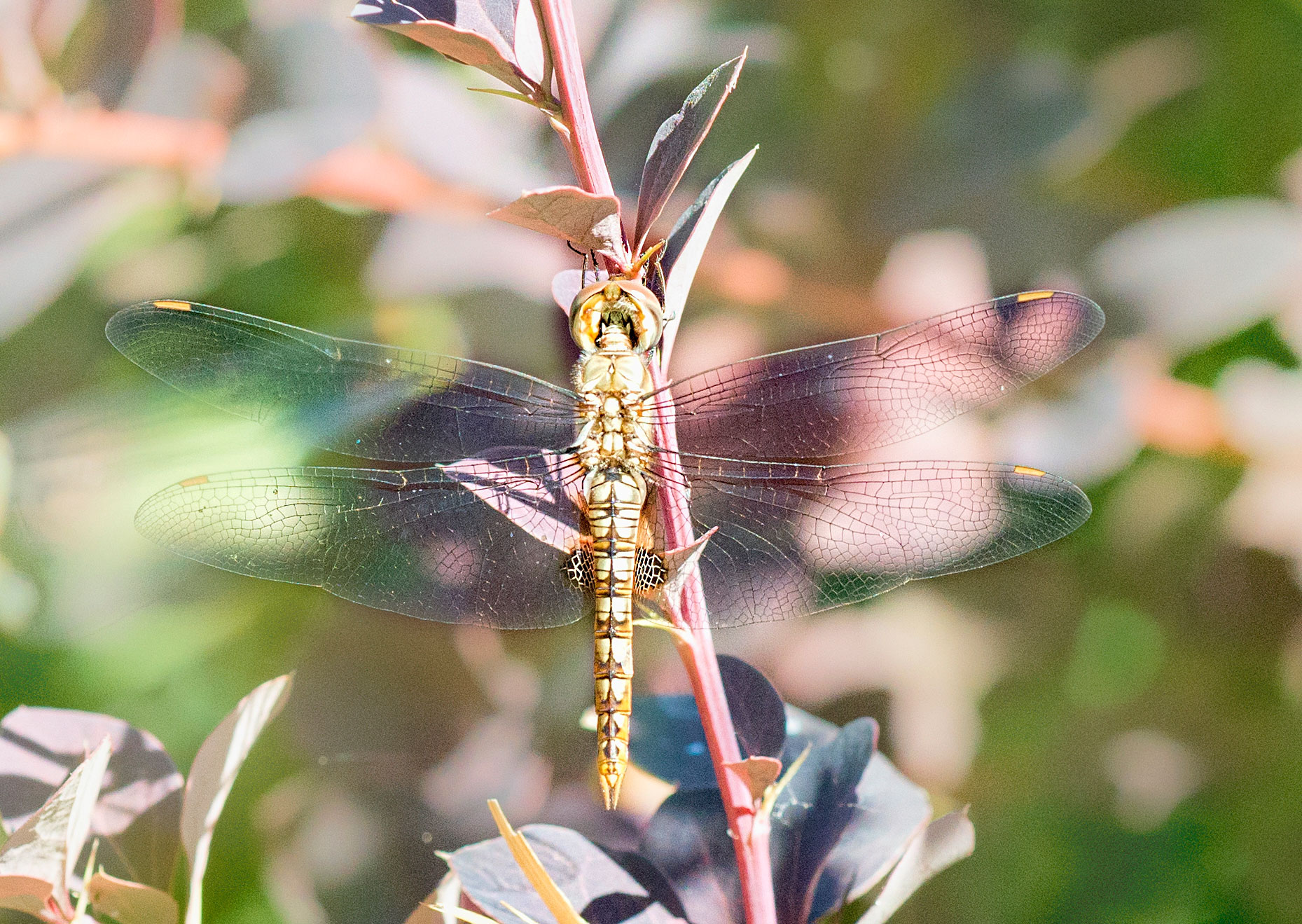
And if you look very, very closely – you might just find some other tiny little gems hidden in the garden.

But that is a story for another week. Stay tuned.

To Rule A Garden…Or More

“Anybody who wants to rule the world should try to rule a garden first.” ~ Author Unknown

I found this unattributed quote and it struck me as true. Nothing humbles like a garden – a tiny microcosm of the world where distinct forces work best in harmony, but are sometimes pushed into doing battle for survival and the chance to ensure future generations.

I’m not really sure that anyone ever rules the garden; to assume so would tempt Mother Nature’s scorn. But to tame and transform a garden calls upon many of the same qualities required of great leaders.

1. Collaboration
A successful garden requires a close union with nature. To be truly connected to the earth demands a genuine interest and care for the welfare of all who live there: the flowers and trees, the birds, bees, butterflies, and tiny toads. Each has a role in the lasting success of the garden. Learn to live and work together.

2. Vision
A gardener must be practical and grounded – making the best of what they have been dealt in wind, water, temperature, and soil. But a gardener also keeps one boot firmly planted in the future – looking seasons ahead in decisions about where to plant sun and shade, laying a good foundation with well-nourished soil, and considering the needs of all for space, habitat, and life essentials.

3. Observant
Mother Nature will not be controlled. But by studying with patience and watchfulness, she will share her lessons. A gardener earns her respect by being gracious and persuasive, but never controlling.

4. Empathy and Tolerance
We share our gardens with countless creatures – each simply going about the business of living their lives, feeding their families, and ensuring their survival.

This is their home, too. Share with empathy, compassion, and an appreciation for their unique contributions to the garden.

5. Innovative
A gardener’s failures are many. Learn to accept them with grace. To succeed means to be a perpetual student, tester, and inventor. What you can’t renew: transform. For the things you can’t (or shouldn’t) change: learn to adapt.

6. Ethical
We have but one earth. Treat it with care. Make sustainable choices and live by the motto: do no harm. The passerby in awe of that oversized, out-of-season flower does not know – but the earth does and carries any lie.

7. Passionate
A garden is built of passion and purpose reflecting the heart of the gardener who is blessed to work and walk among its inhabitants.

Without passion, a garden is merely a chore. Be motivated by passion, but lead with humility.