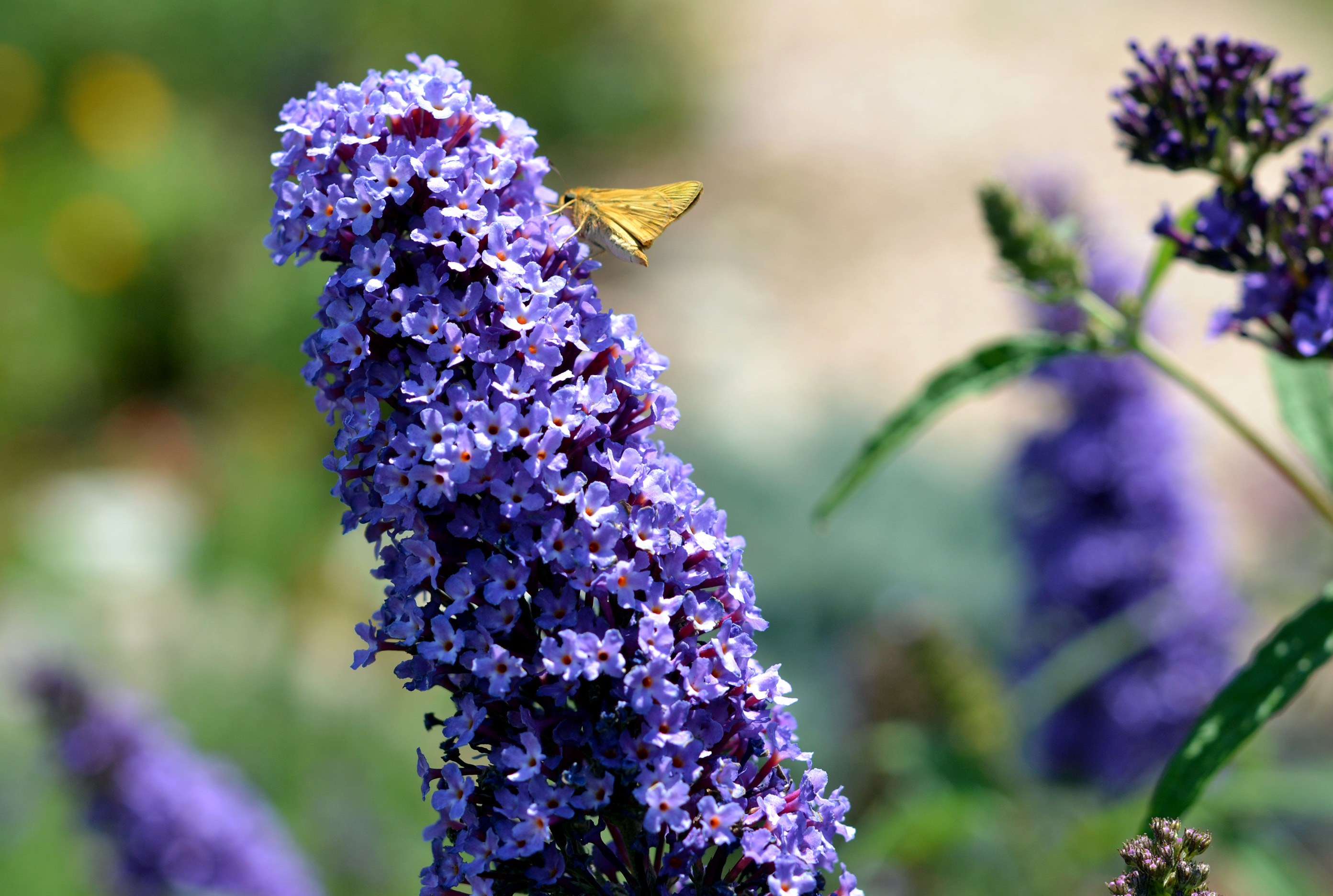
The color purple is associated with royalty, nobility, luxury, and power.

Purple also represents meanings of wealth, extravagance, creativity, wisdom, dignity, grandeur, devotion, peace, pride, mystery, independence, and magic.

The color purple is a rare occurring color in nature and as a result is often seen as having sacred meaning.
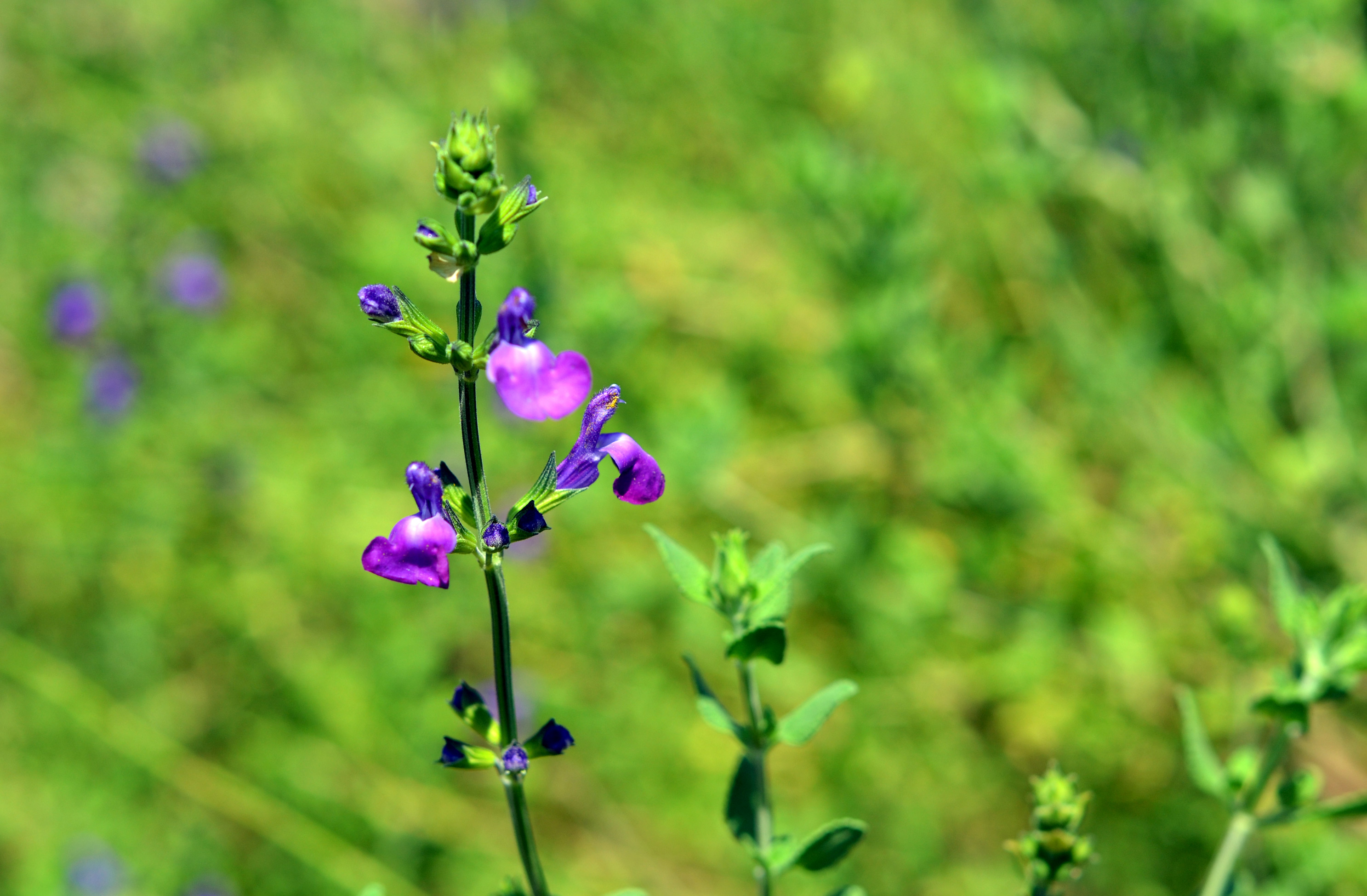
Purple, unlike violet, is not one of the colors of the visible spectrum. It is called a non-spectral color. It exists in culture and art, but not, in the same way that violet does, in optics. It is a combination of two primary colors. Purple combines the calm stability of blue and the fierce energy of red.

Because the purple color is created by combining a strong warm with a strong cool color, the color retains both warm and cool properties.
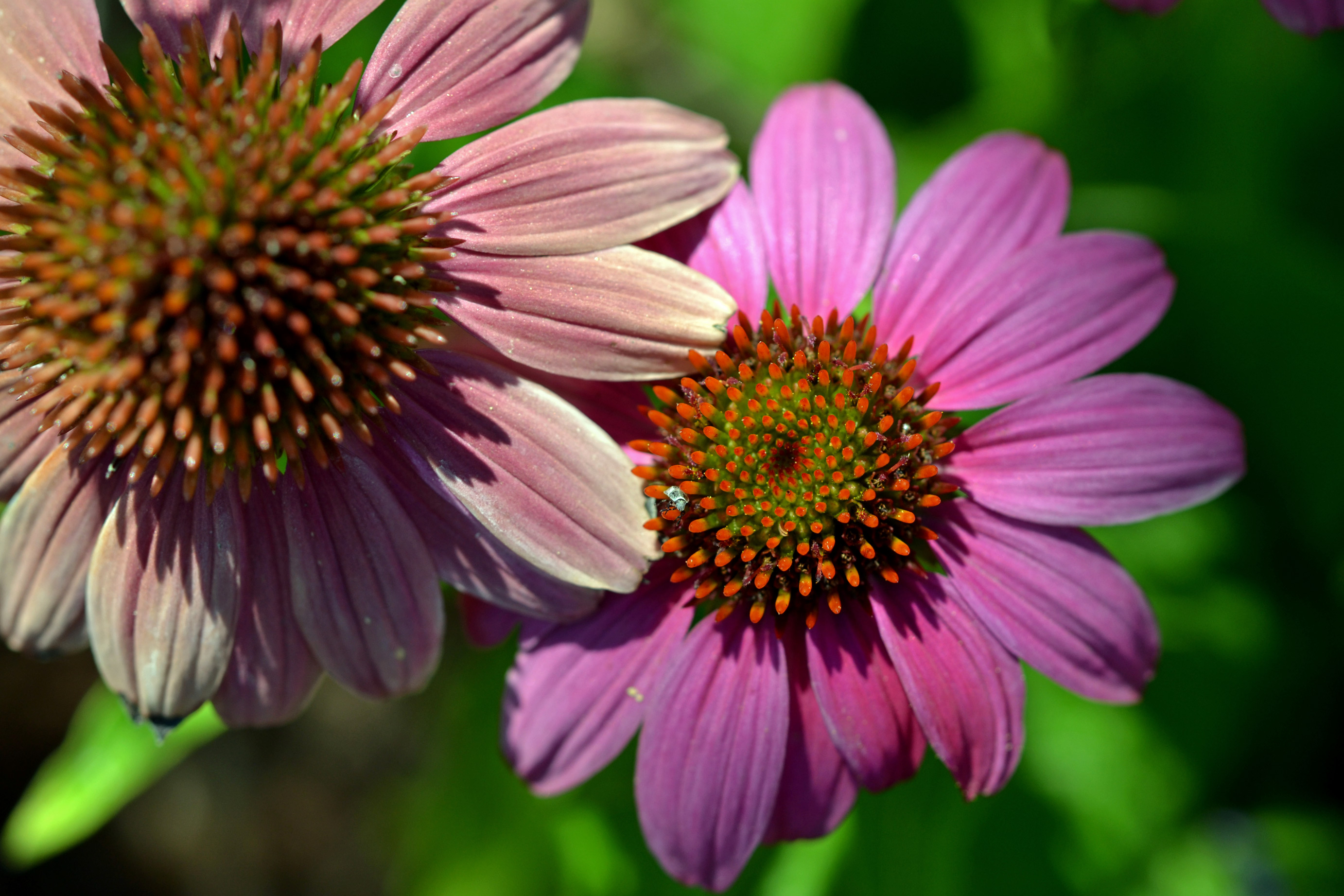
On one hand, the color purple can boost imagination and creativity, on the other, too much purple can cause moodiness.
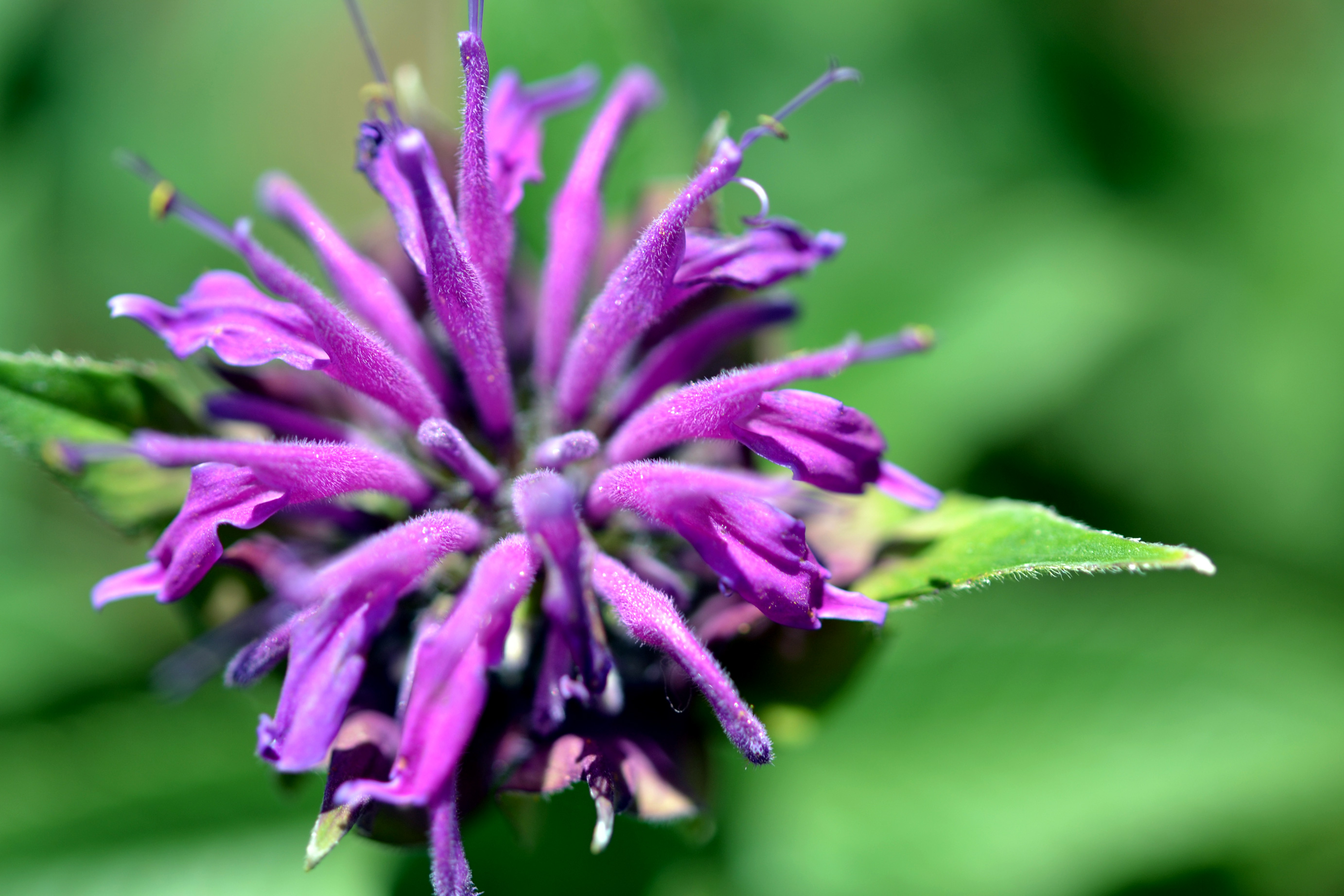
Purple is said to be associated with spirituality, the sacred, higher self, passion, third eye, fulfillment, and vitality.
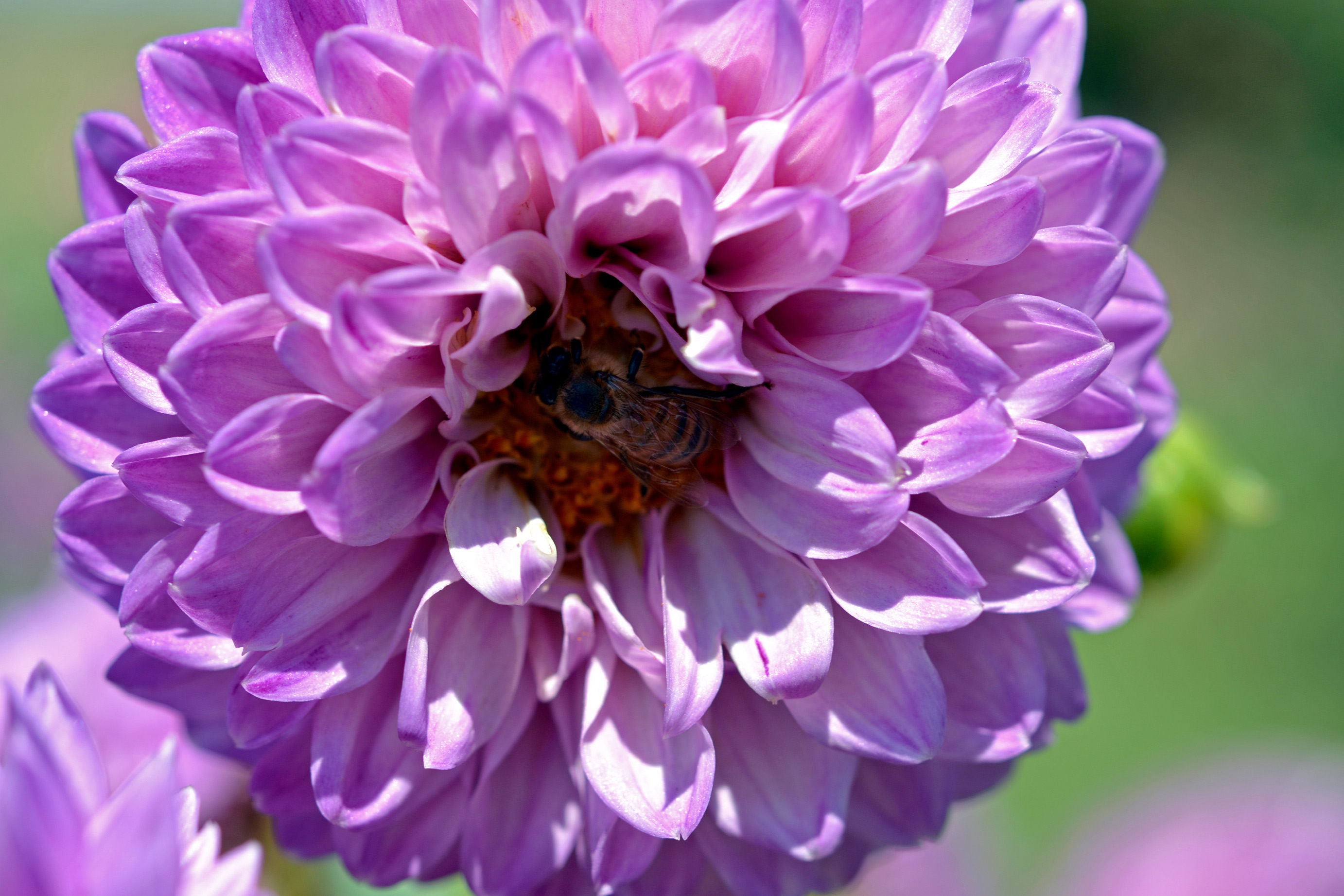
It is said to uplift spirits, calm the mind and nerves, create feelings of spirituality, increase sensitivity, and encourage imagination and creativity.

The color purple and its lighter lavender shades introduce romance to nature; think lavender, orchid, lilac, and violet flowers. Lavender suggests uniqueness, while purple invokes mystery.
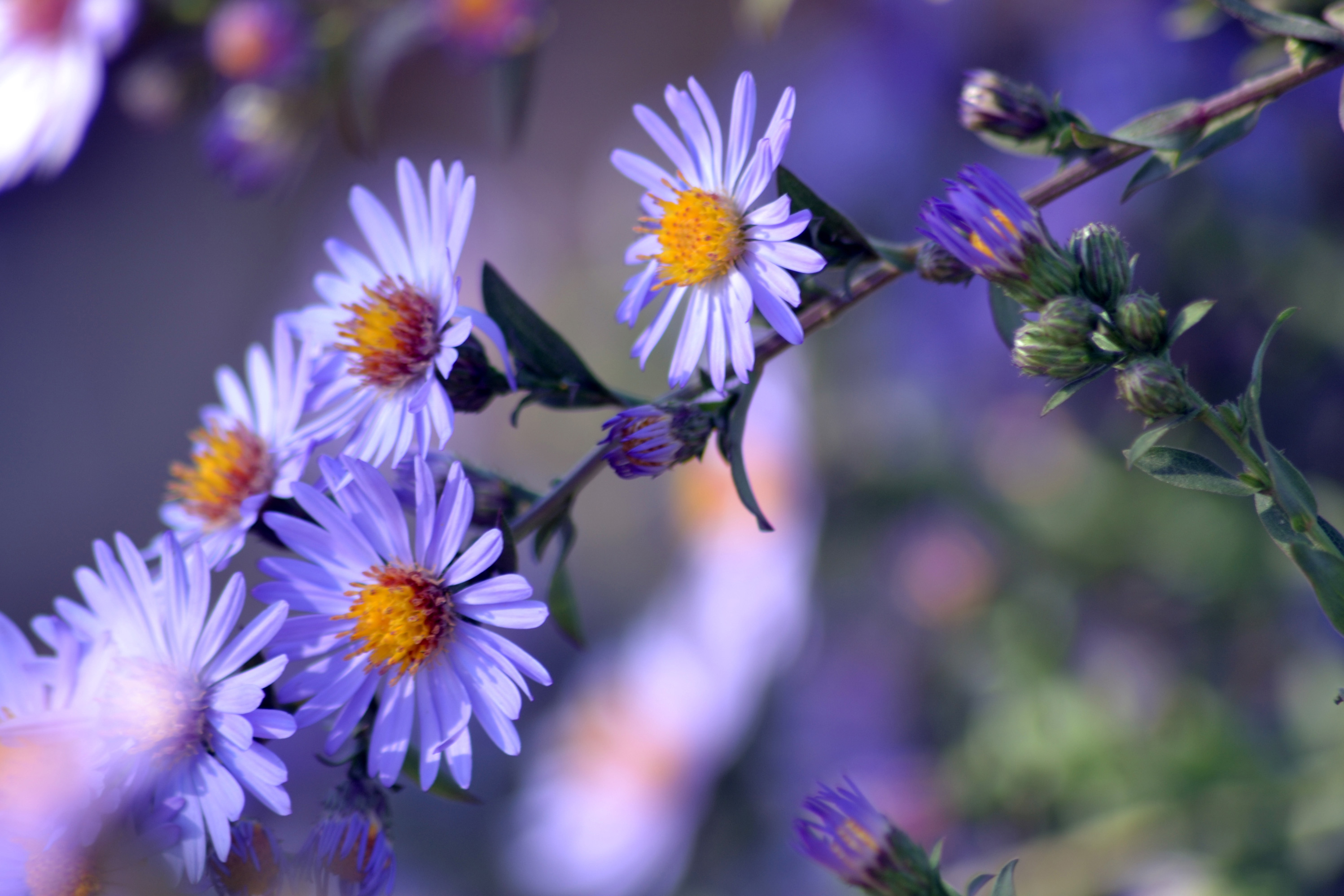

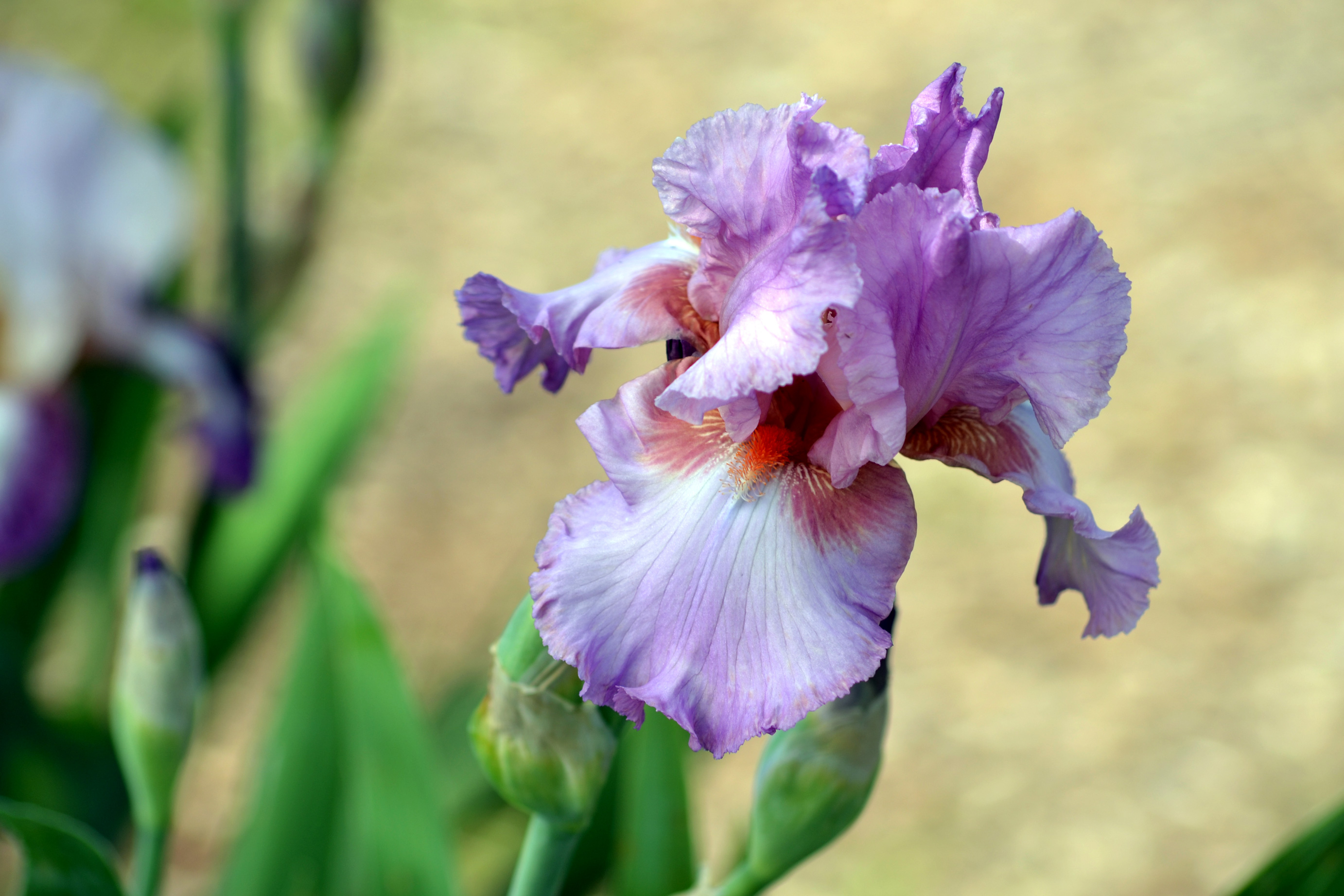
Purple is considered a cool color in landscape design. Its appearance has a calming effect in a garden.
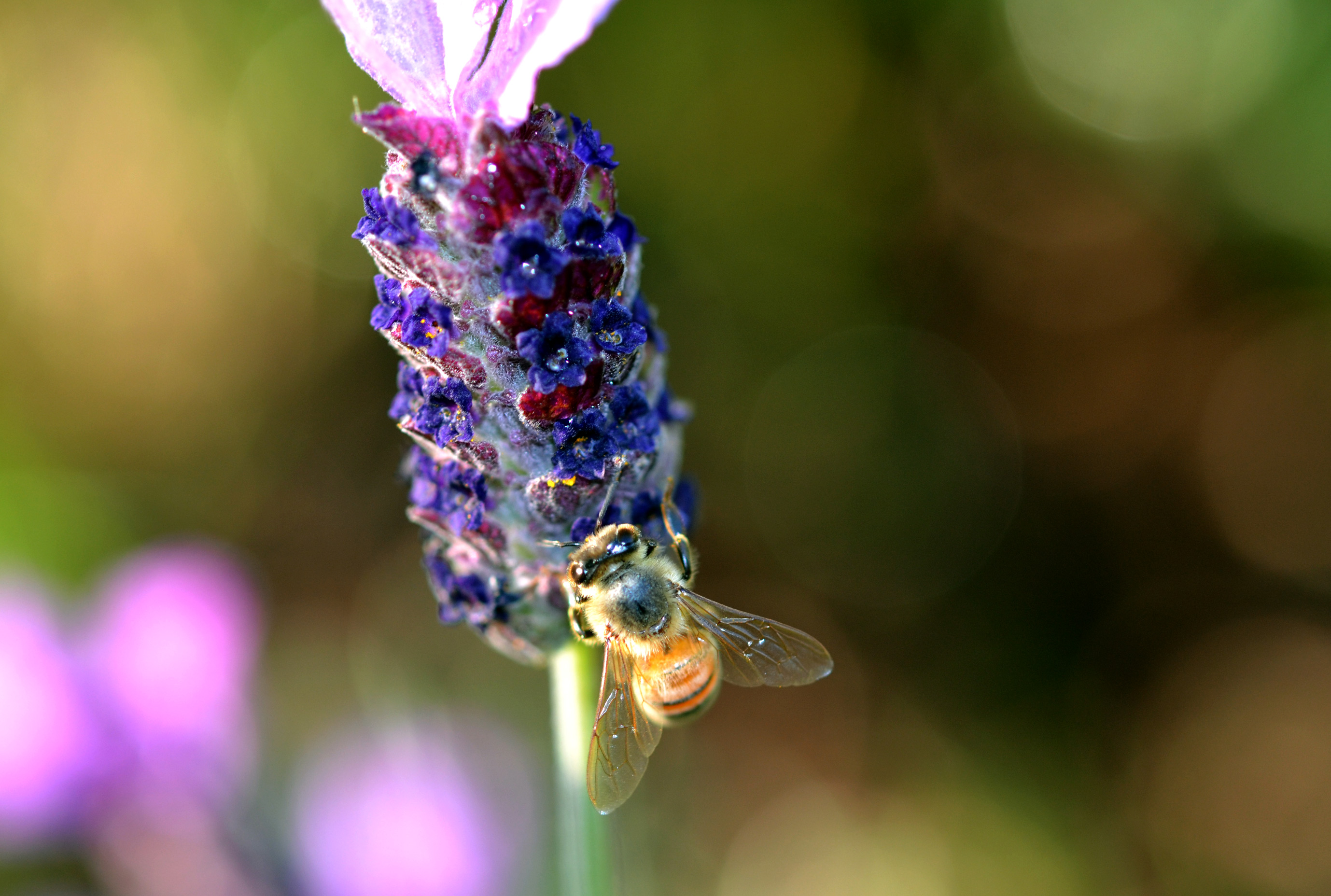
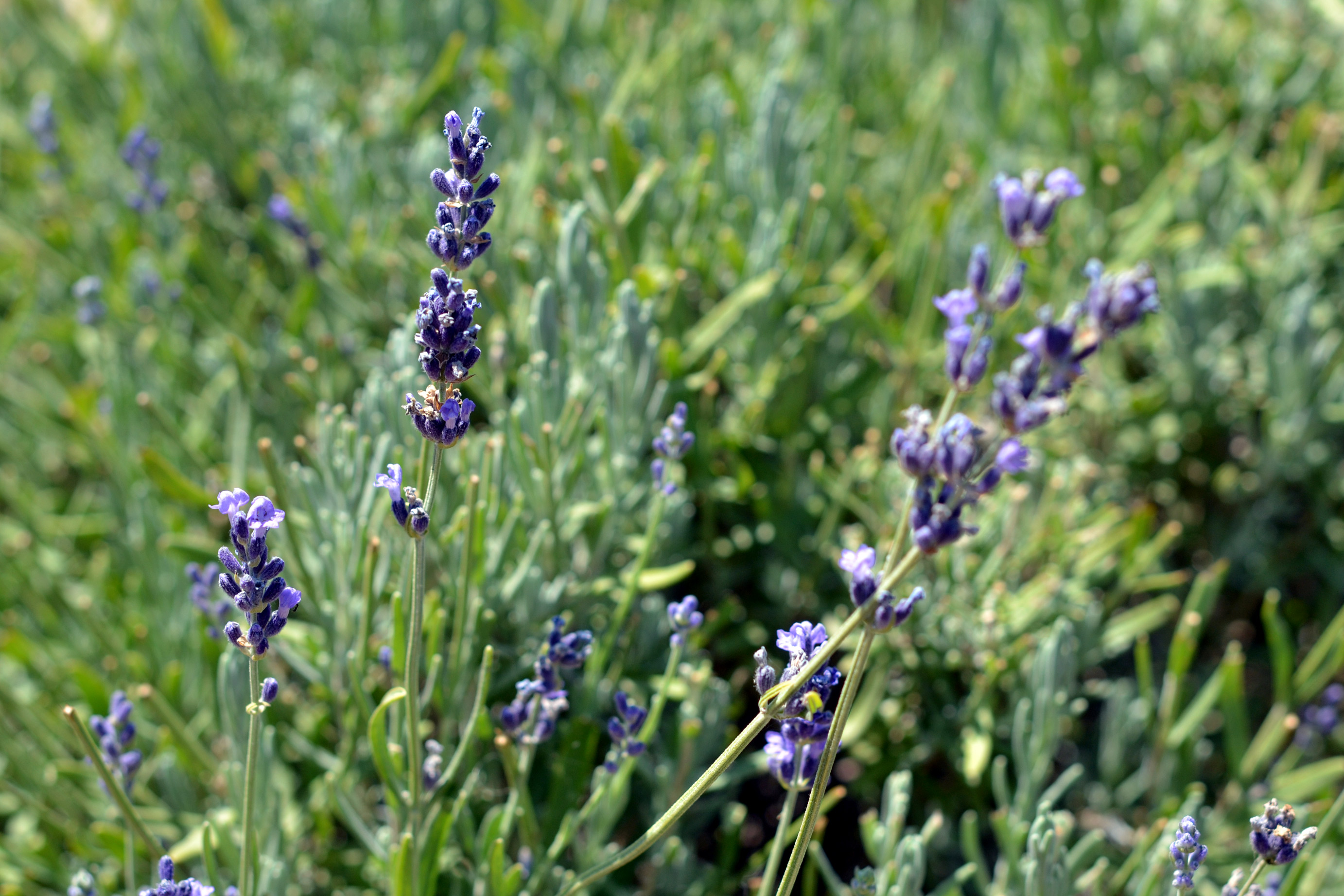
Purple plants visually recede in a garden, helping to make a small space feel larger.


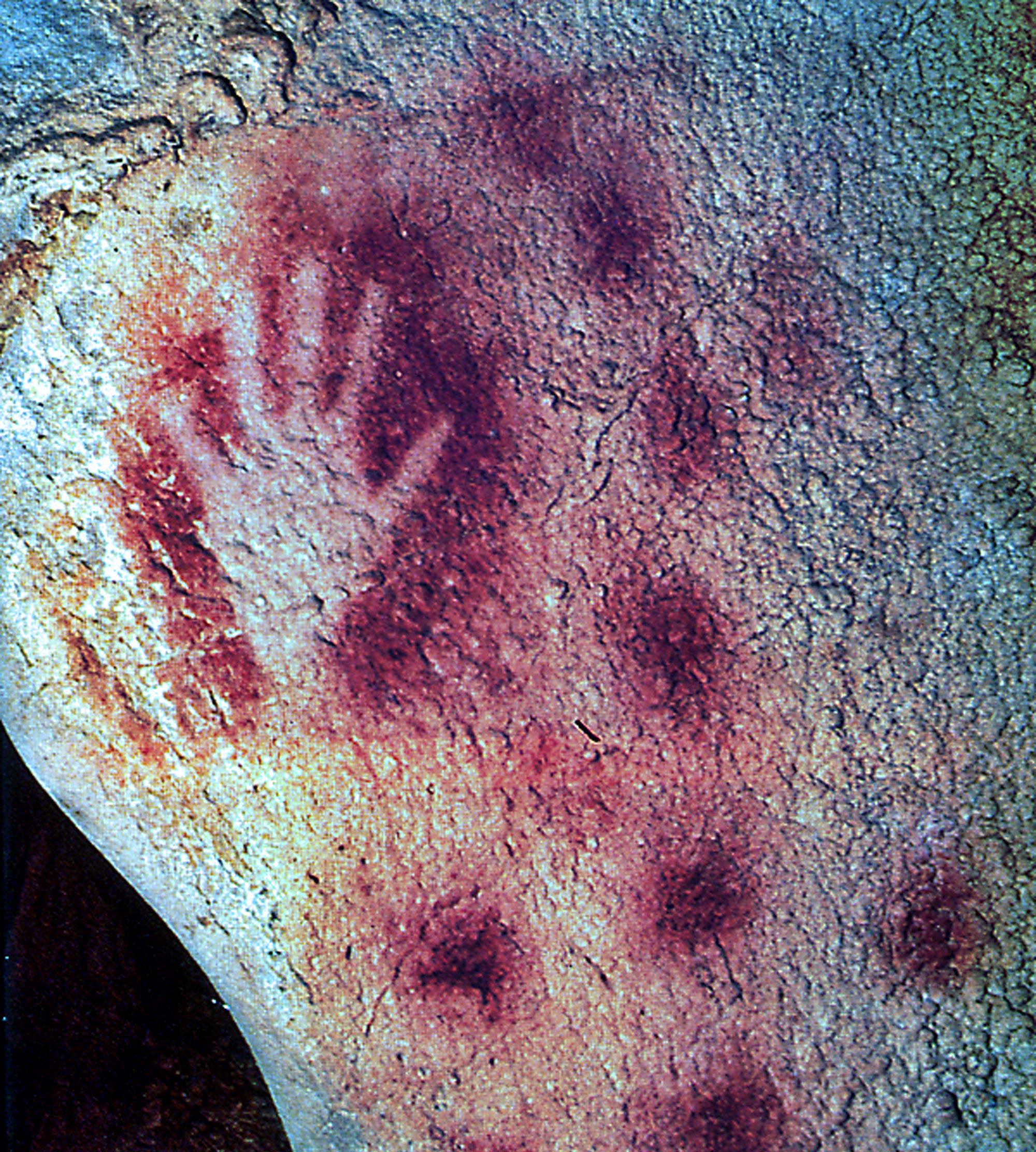
Purple was one of the first colors used in prehistoric art. The artists of Pech Merle cave other Neolithic sites in France used sticks of manganese and hematite powder to draw and paint animals and the outlines of their own hands on the walls of their caves.
Its complimentary color is yellow.
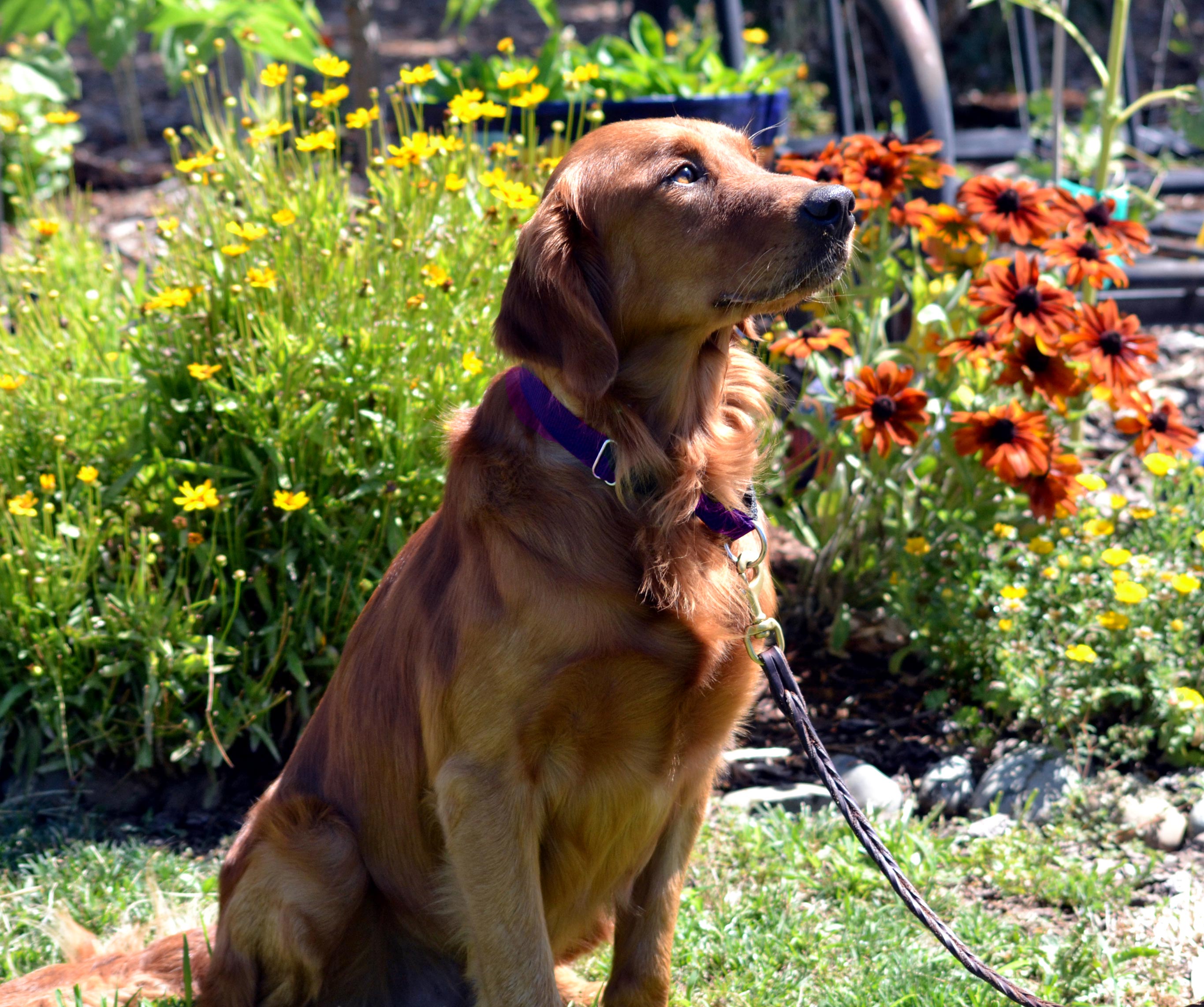
 Gardens For Goldens