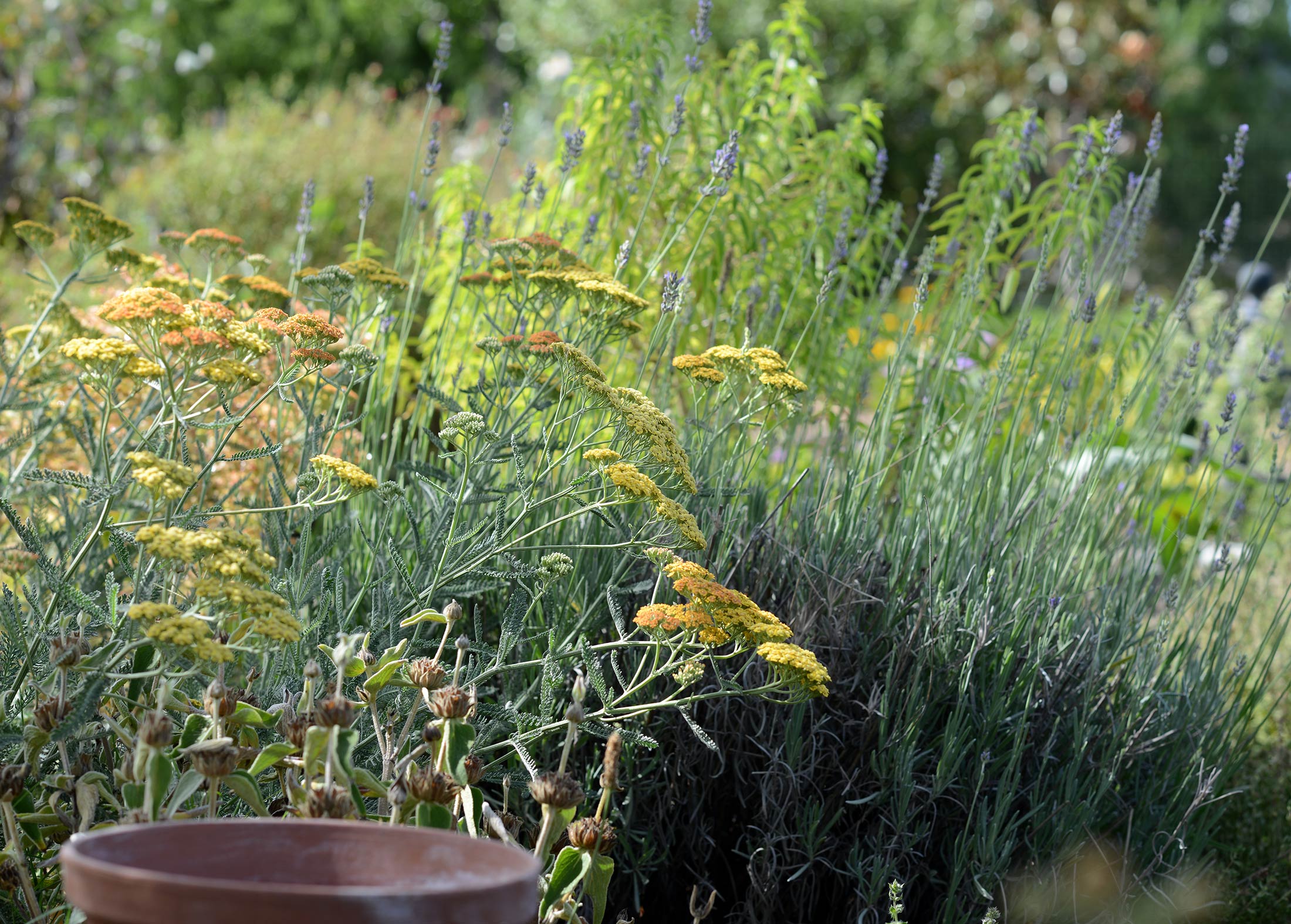
Seeing the Flowers at Our Feet

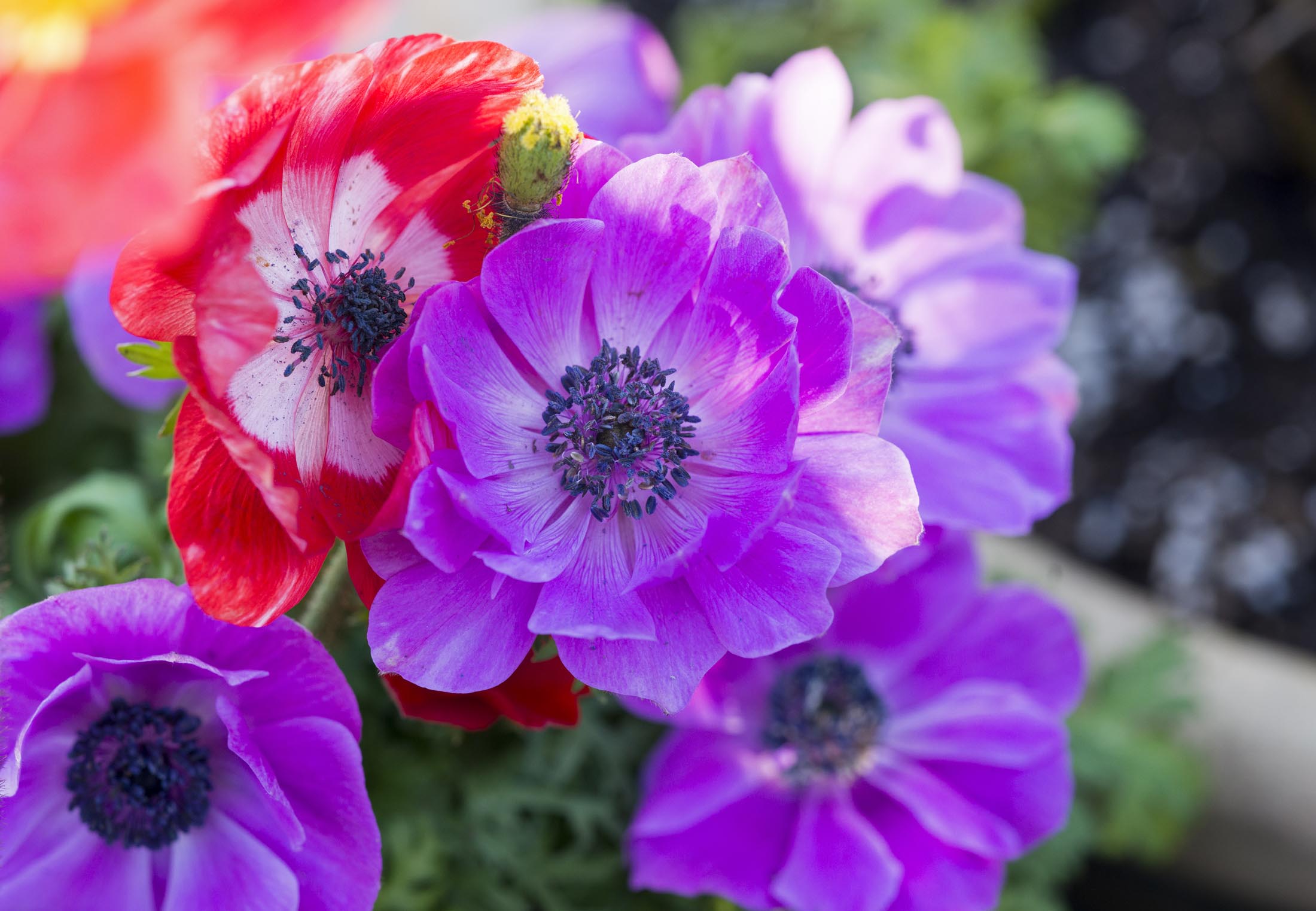
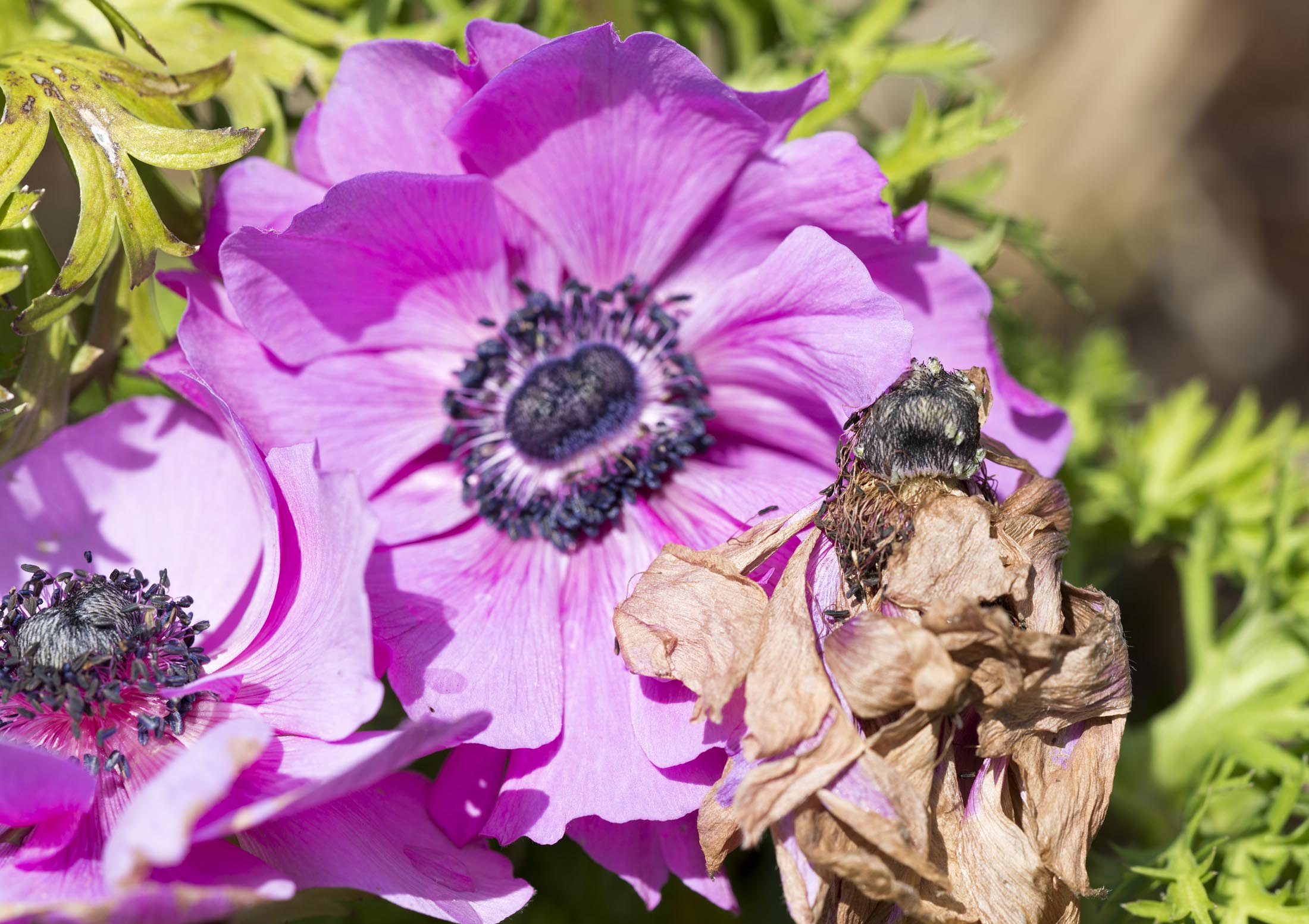
Anemone_DSC_6113

“A garden is always a series of losses set against a few triumphs, like life itself.” ~ May Sarton

No garden is perfect. When I post photos to the blog, I work around spent blossoms and rarely select the ones with tiny bugs.
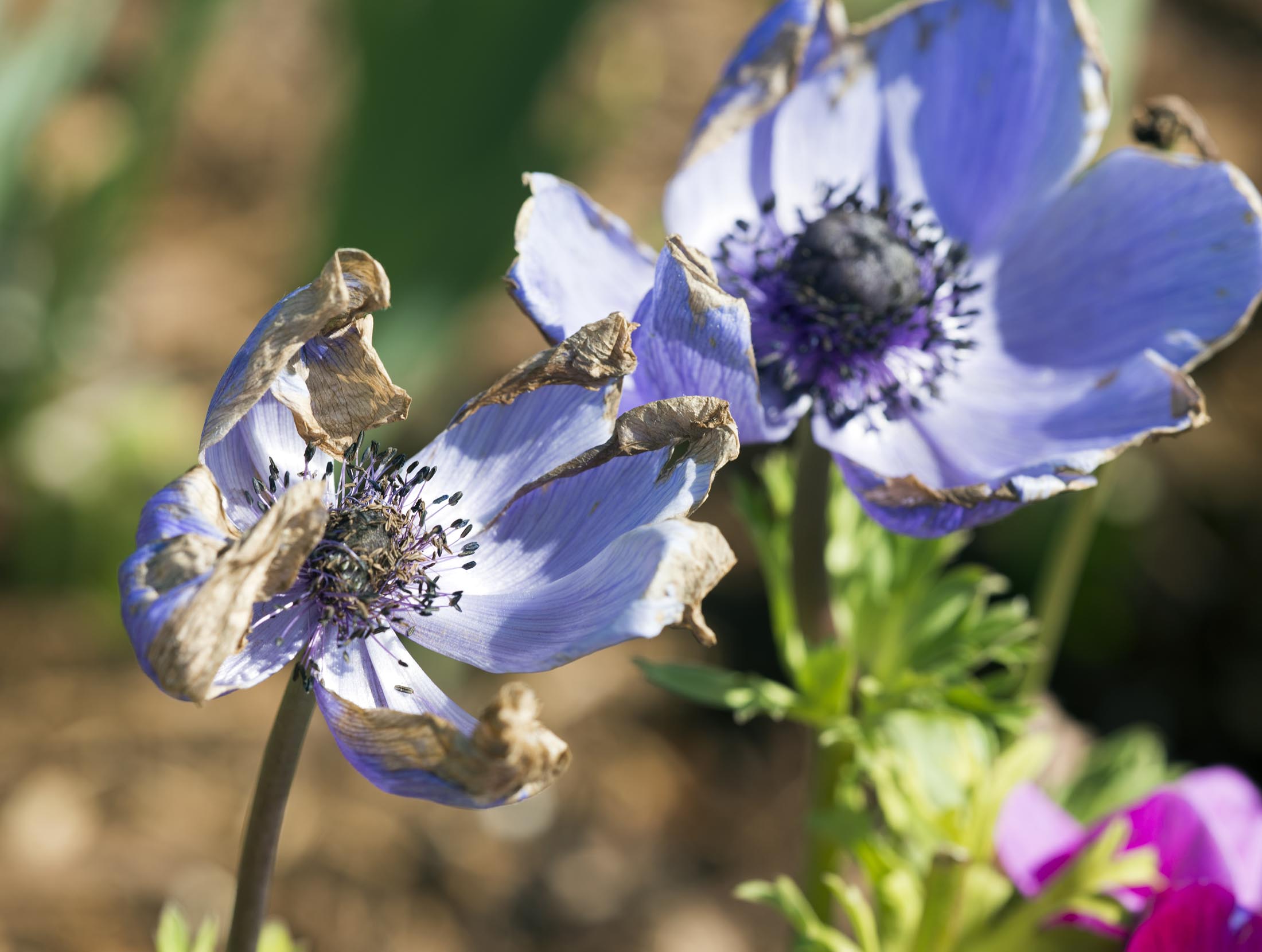
Iceland Poppy_DSC_6115
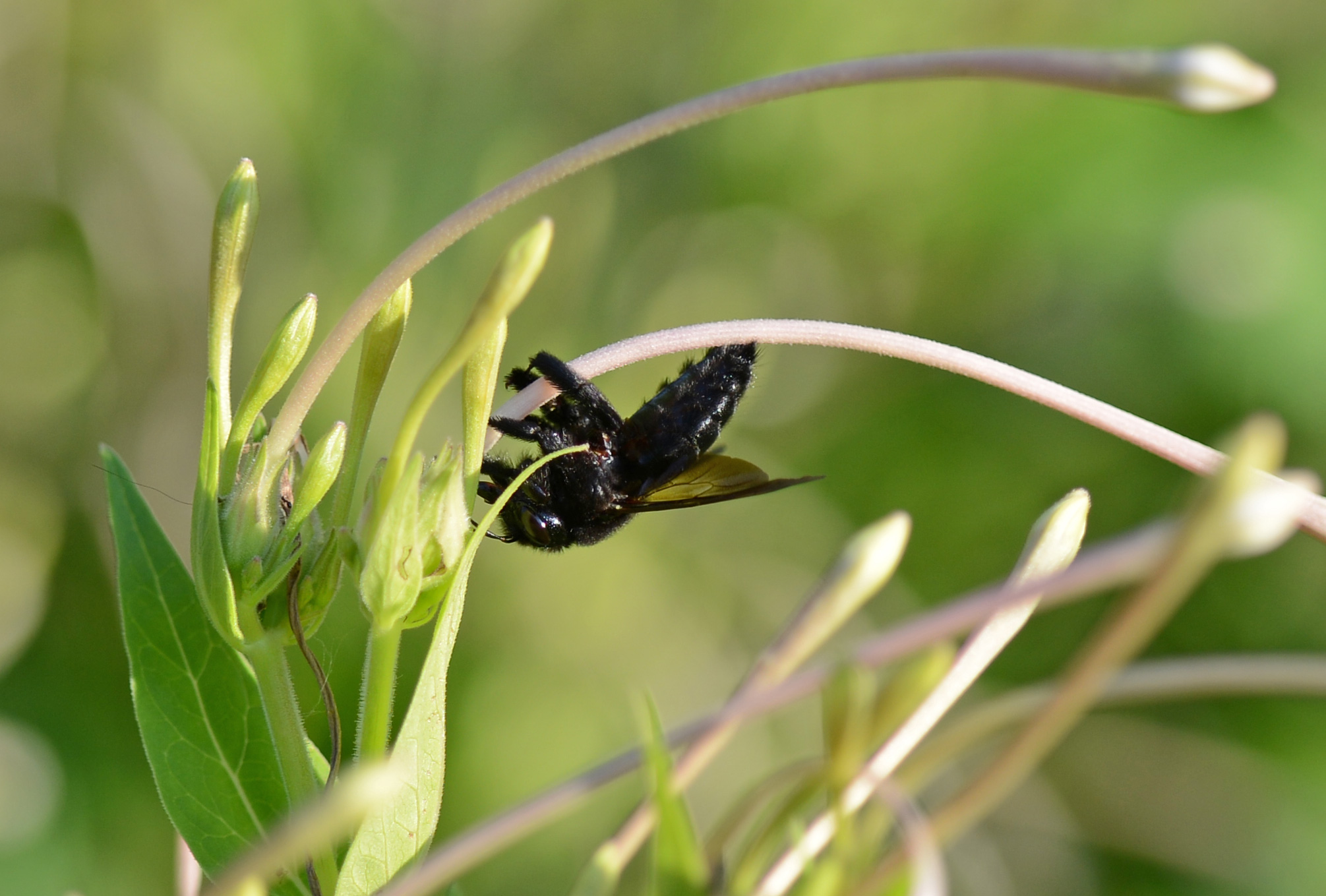
Iris_Bug

I try not to share too many sad dog stories. And I most certainly avoid sharing our occasional “moments” with each other. Everyone has them. They are an expected part of our rescue effort which requires passionate people from all walks of life working together. People just crazy enough to come back time and again despite the inevitable heart breaks.

Reed_Venus_DSC_6173

Maybe it paints too perfect a picture. We set high standards for ourselves and each other. And sometimes, we fall short.

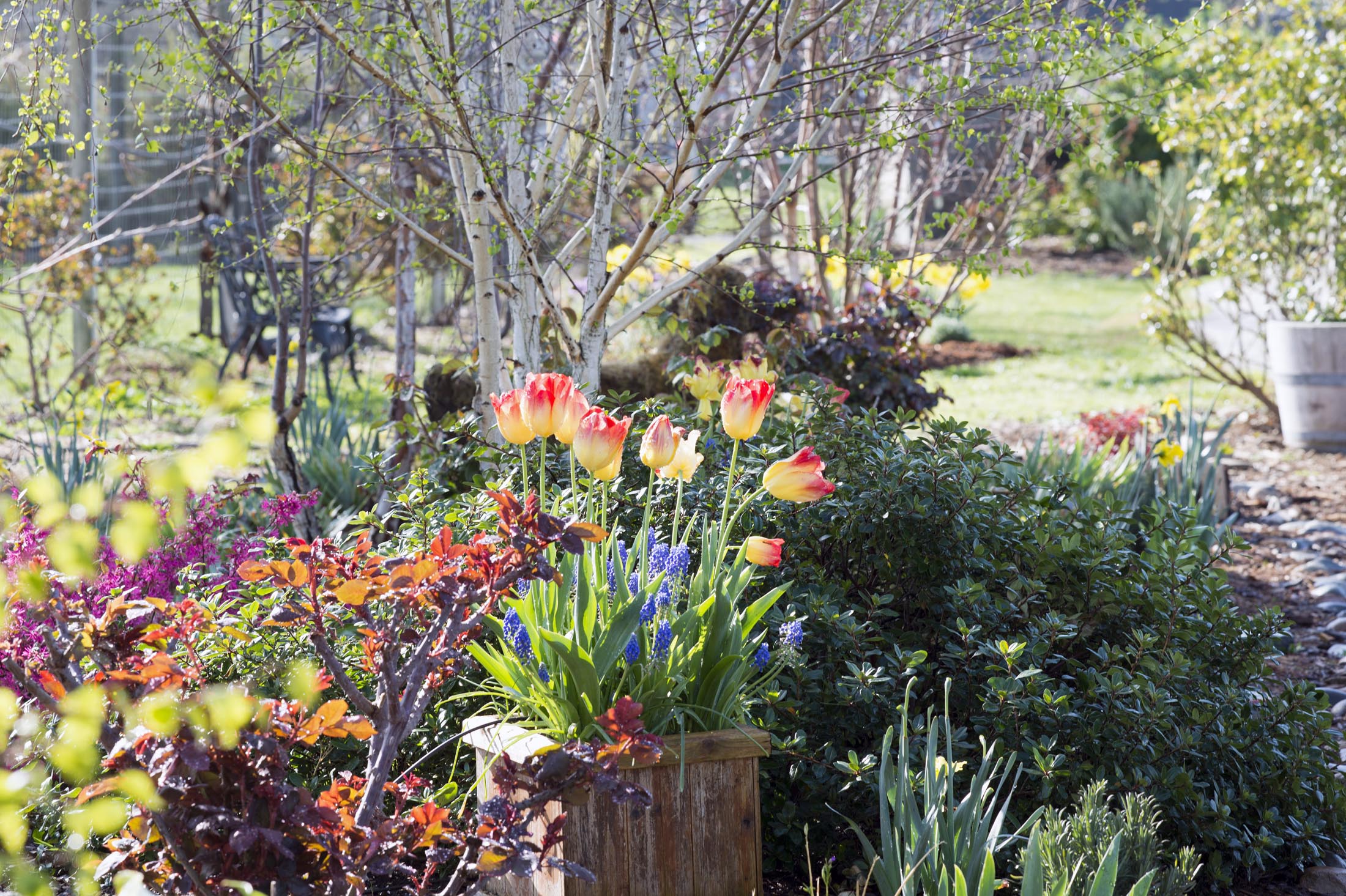
Bringing plants together in a garden for the first time creates a kind of temporary chaos. Ideally, they provide mutual support and a complementary scheme that falls together in an effortless blend. In reality, there is usually a bit of a learning curve and adjustments are predictable. Some shine brightly and risk overshadowing others;

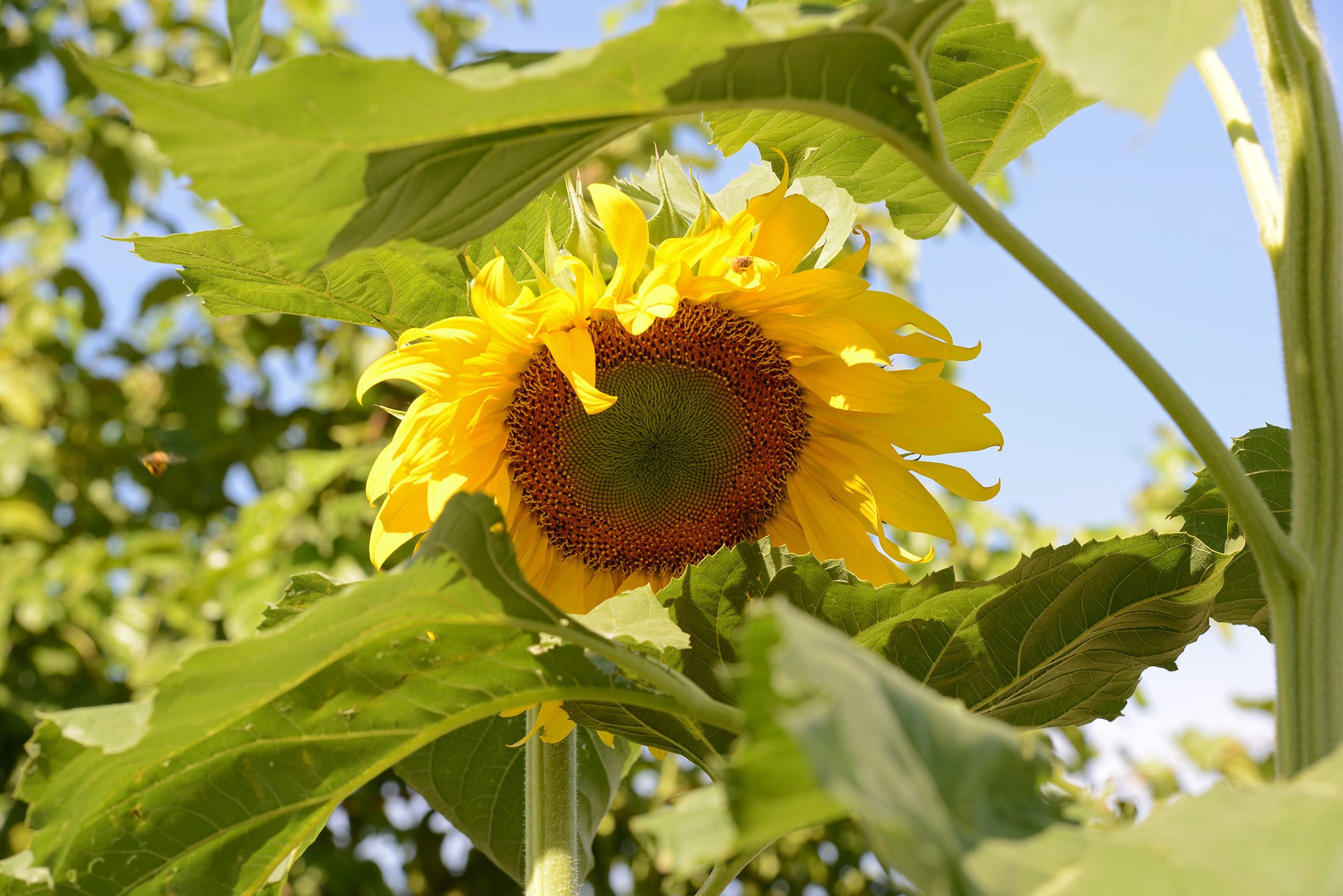
Sunflowers_DSC_5993

some spread and inadvertently crowd out.
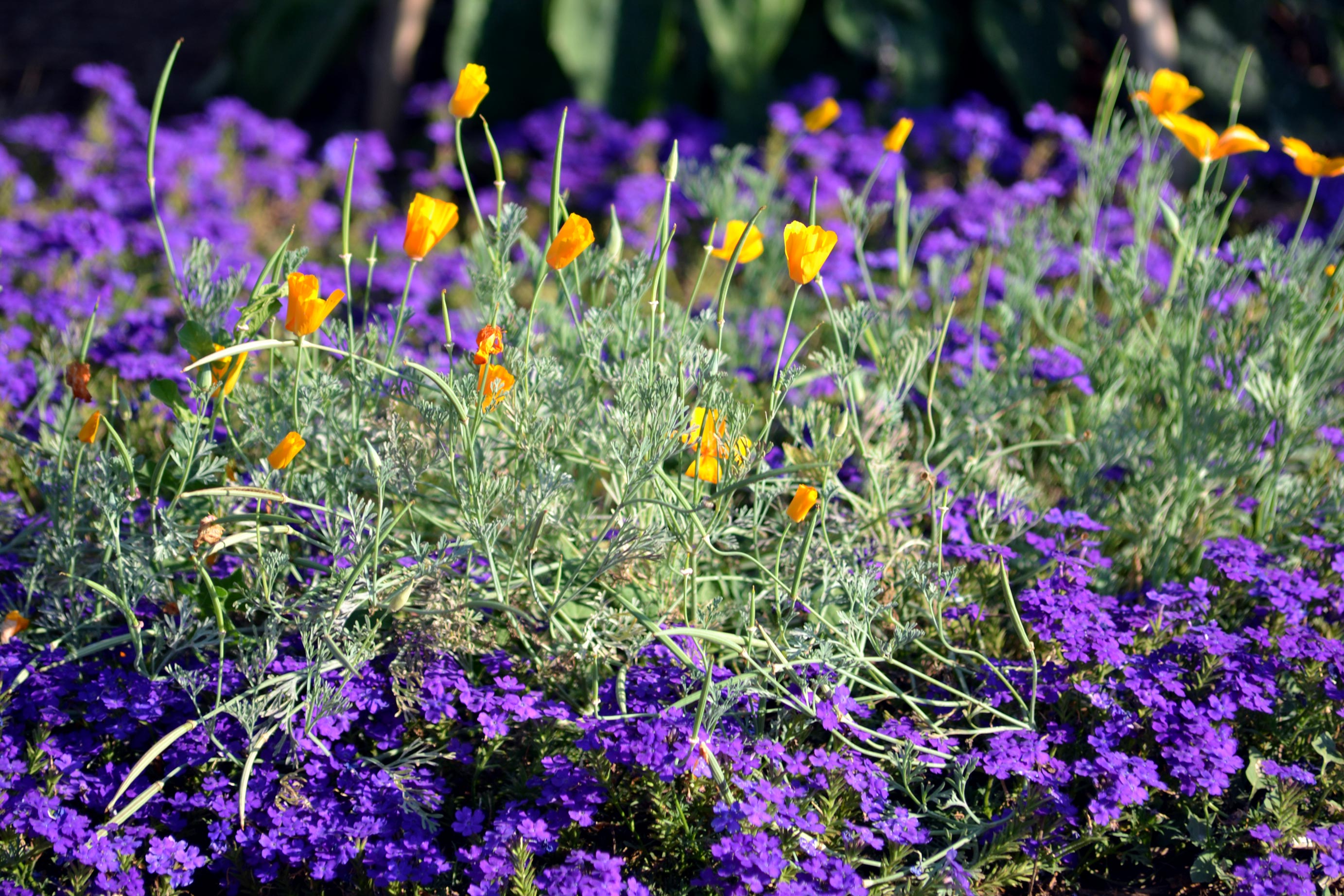
Poppy-Verbena-8_13

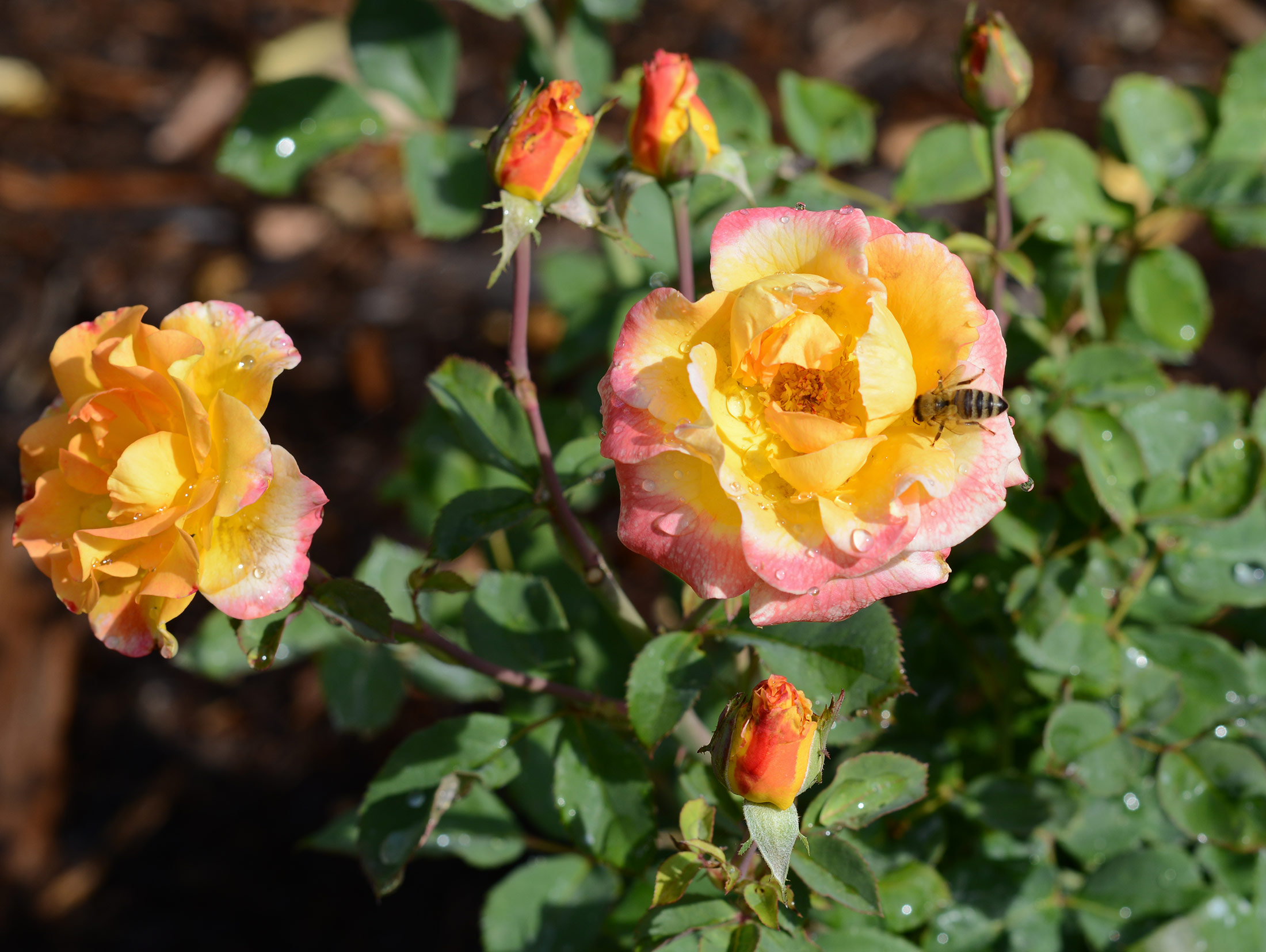
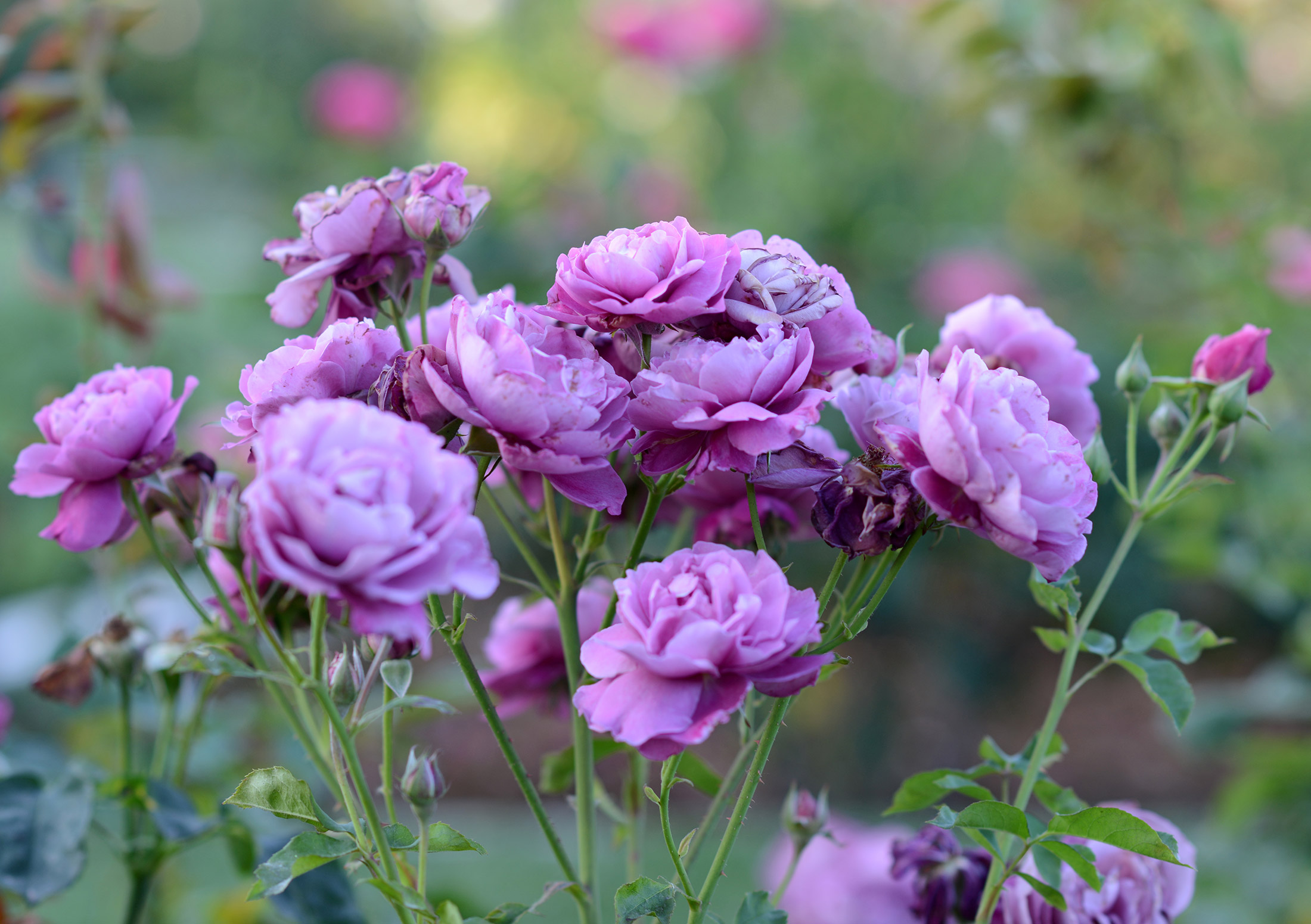
Roses require constant pruning, feeding, deadheading and fussing.
Roses_DSC_3828

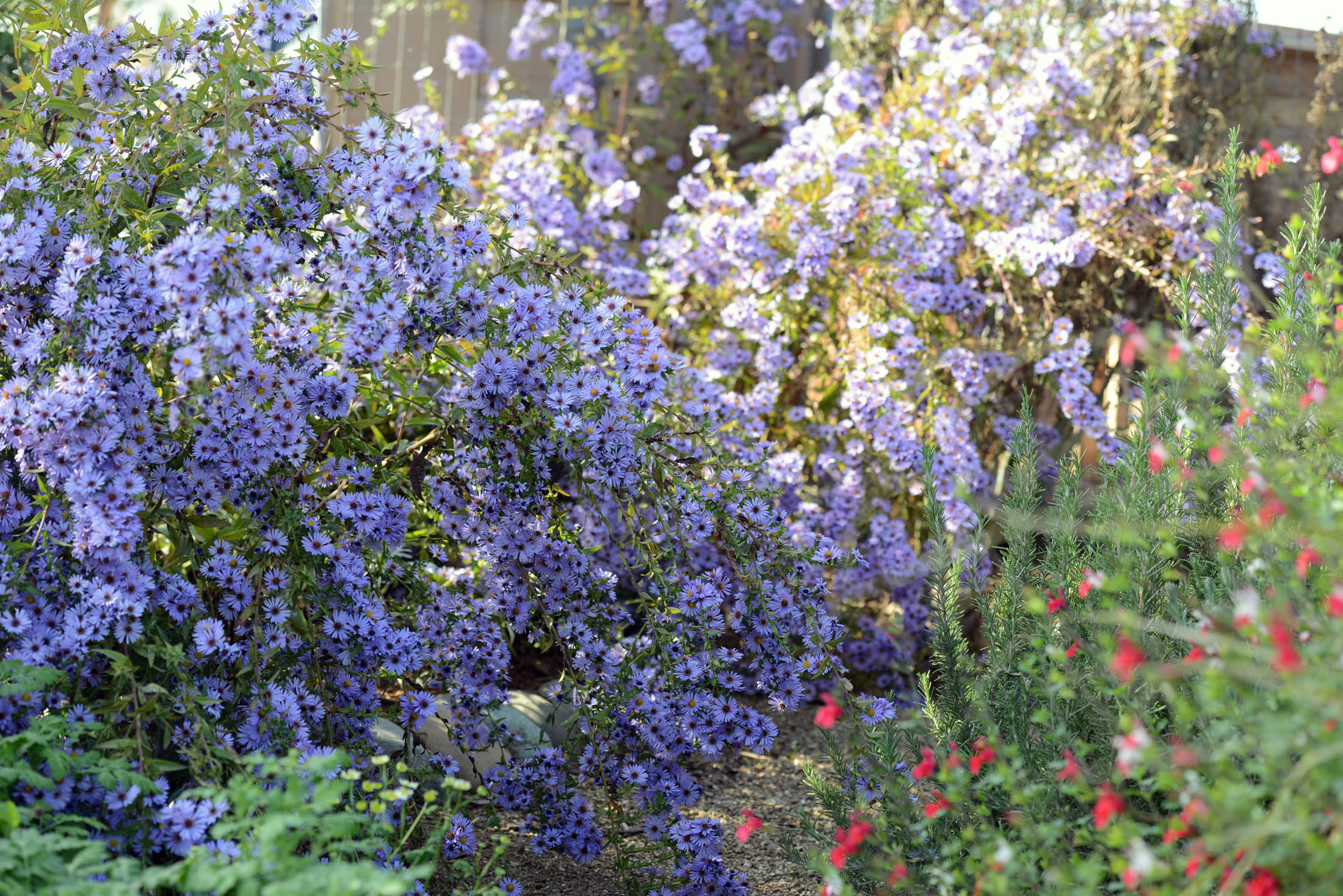
Asters think they rule the world.

Garden_Asters_DSC_8230

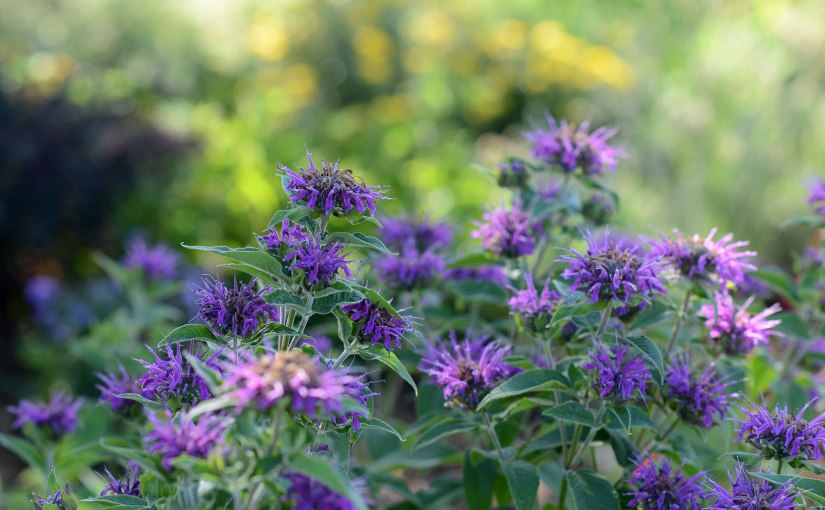
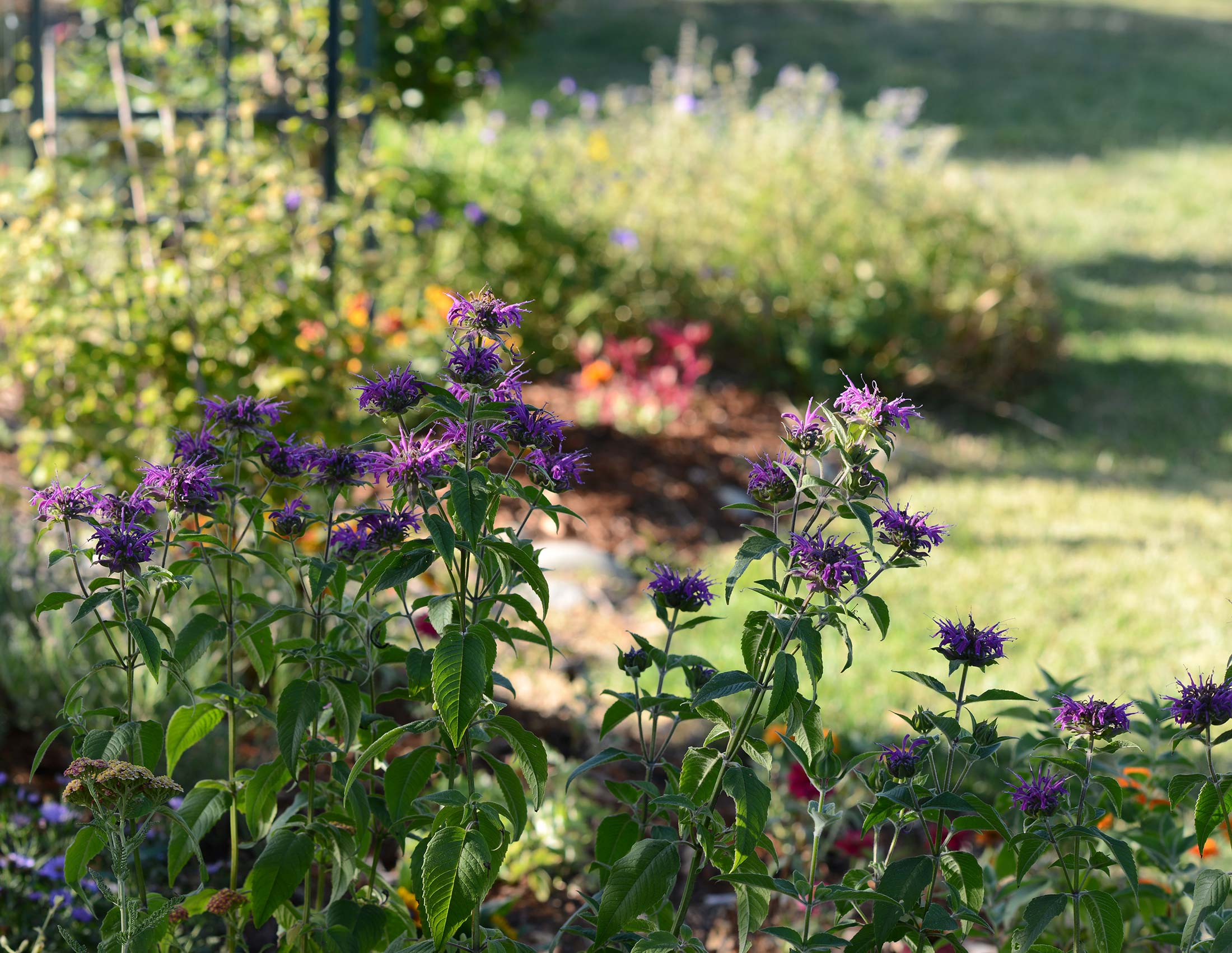
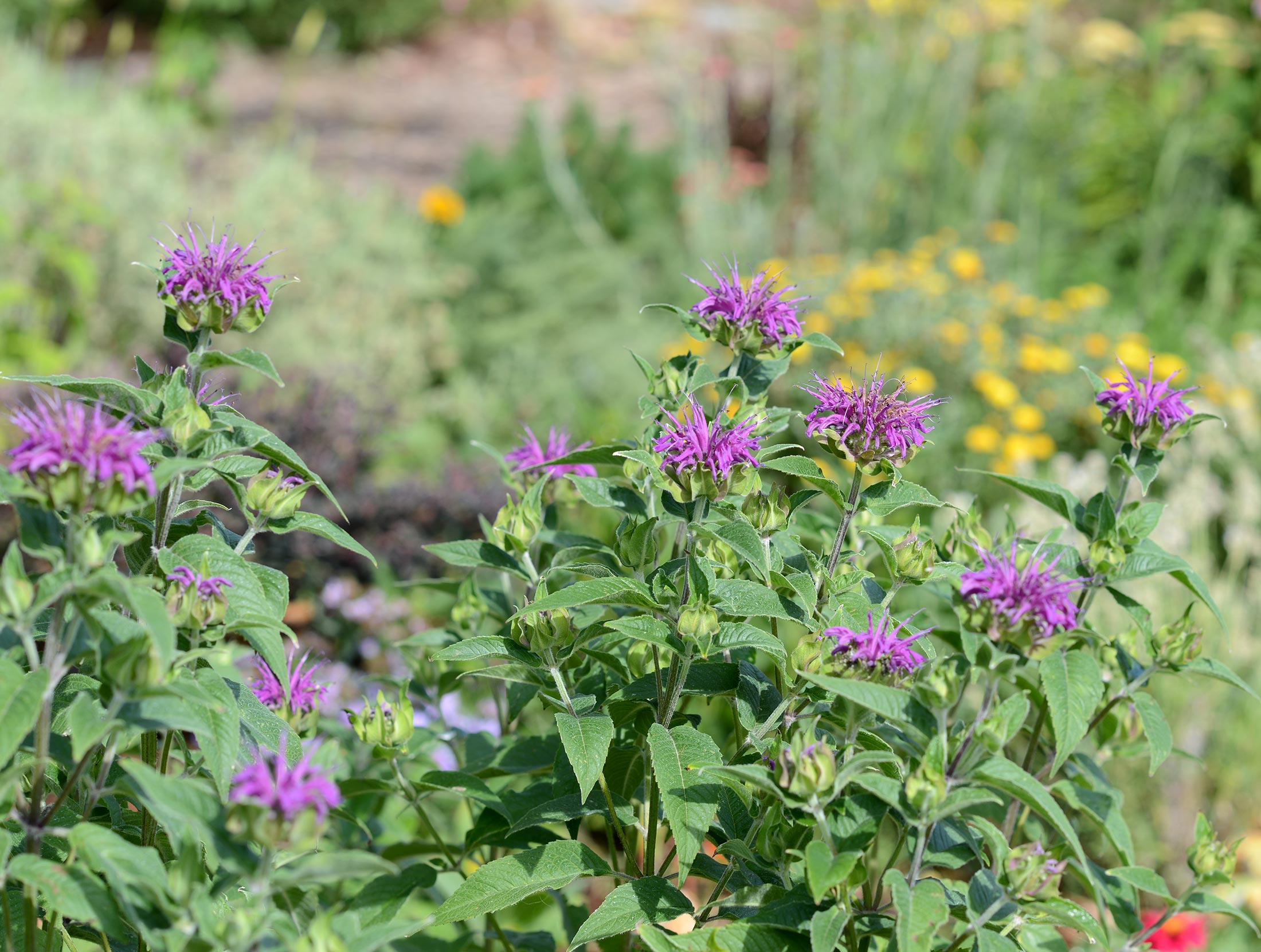
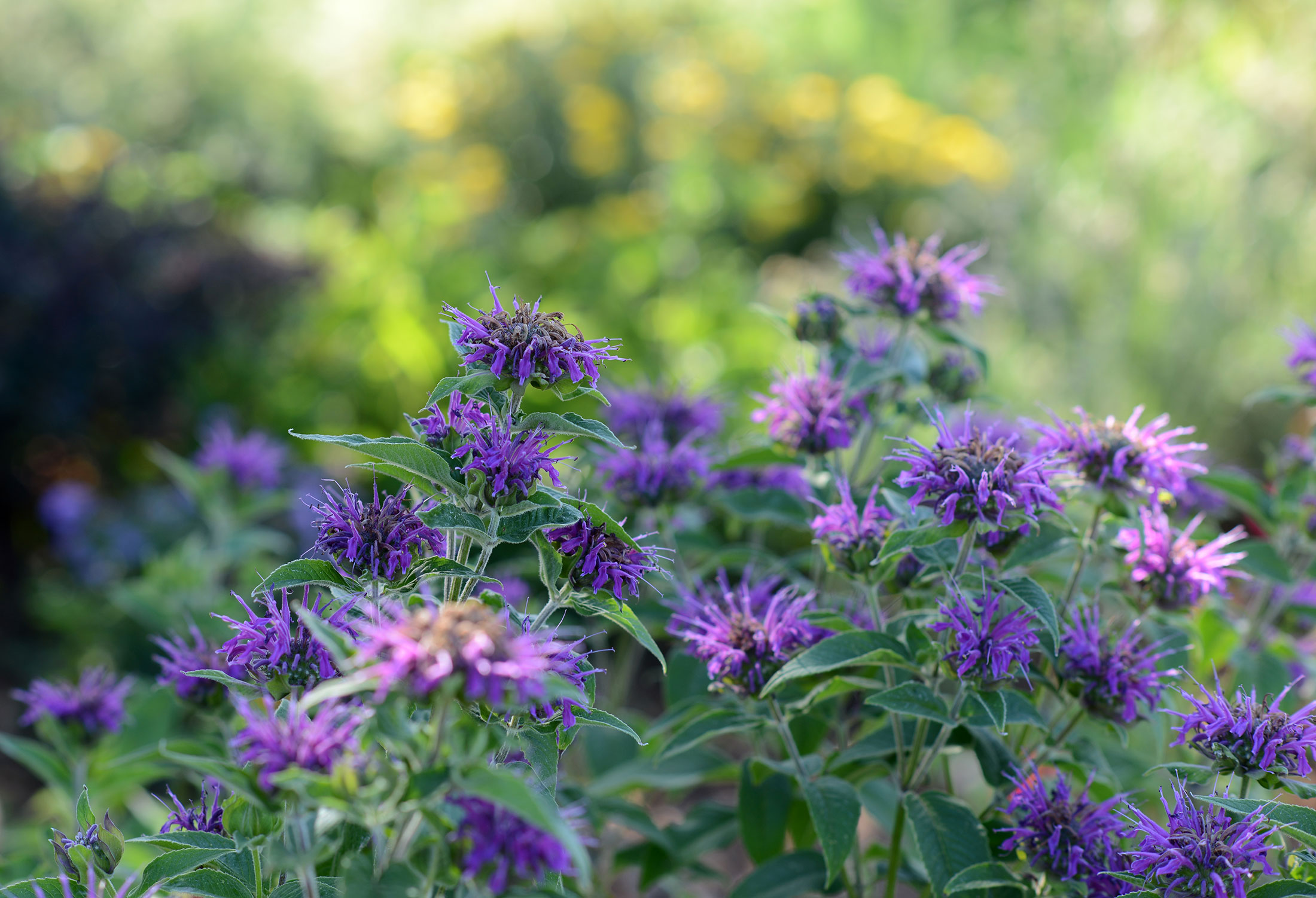
Bee Balm just does its thing and prefers to be left alone.
Bee-Balm_DSC_5184

Once a plant’s nature is understood, a few simple moves can make everything blossom harmoniously. A garden finds its melody and individual notes are welcome – even with imperfections.

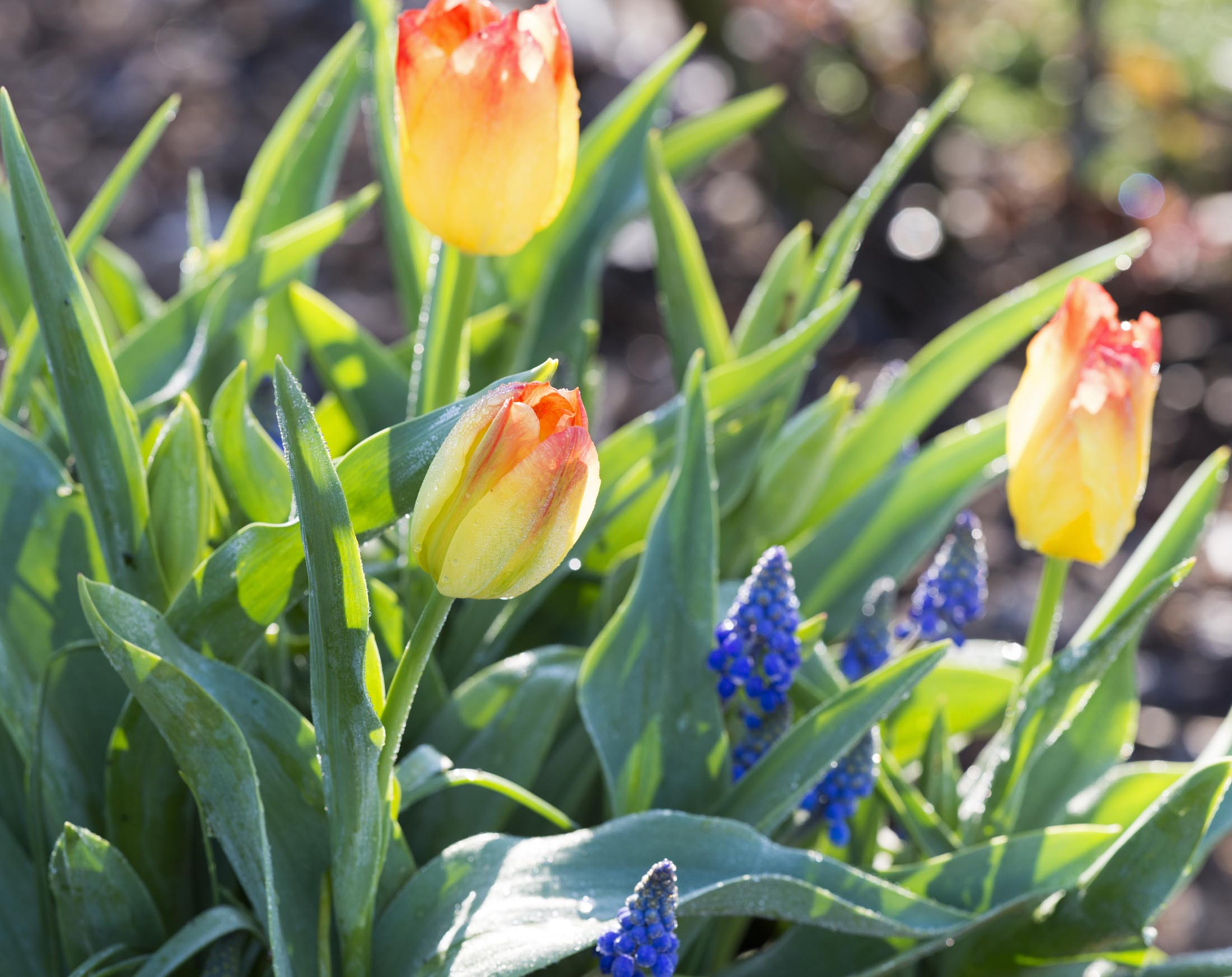
Tulips_DSC_6131

“In the hopes of reaching the moon men fail to see the flowers that blossom at their feet.” ~ Albert Schweitzer

As individuals, we are as imperfect as the garden. And yet, somehow, we come together to accomplish great things. Kaylee came to us a few months ago. She was emaciated, diabetic and blinded by cataracts.

_kaylee_750_0570-X3

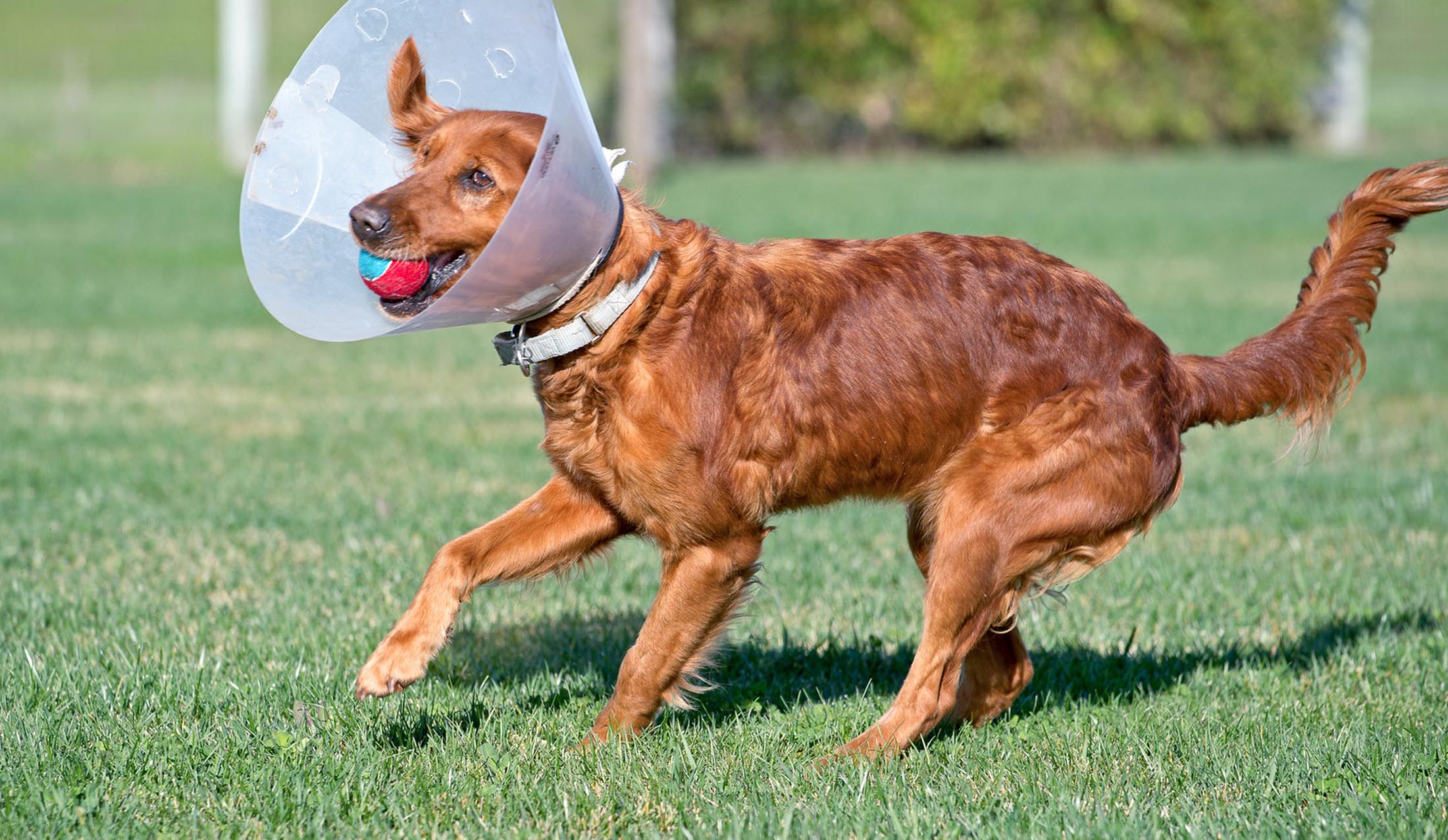
Her diabetes was brought under control and she gained fifteen pounds, making her eligible for eye surgery to remove the cataracts. A couple of weeks ago, Kaylee met the faces of the people she knew only by sound and smell. She caught a ball.
_kaylee_D4S_8084-X3

And she started running like the wind with joy as her sail. Our dog photographer, Rob Kessel, captured her beautifully through each stage. You’ll find links to her galleries below.

_kaylee_750_2414-X3

“Most of the shadows of this life are caused by our standing in our own sunshine.” ~ Ralph Waldo Emerson

We are not perfect. Far from it. But with a few adjustments, we come together to make good things happen.
Garden_DSC_6253
Garden_DSC_6257

Kaylee’s galleries:
Kaylee on Arrival
Kaylee Can See!
Kaylee Today
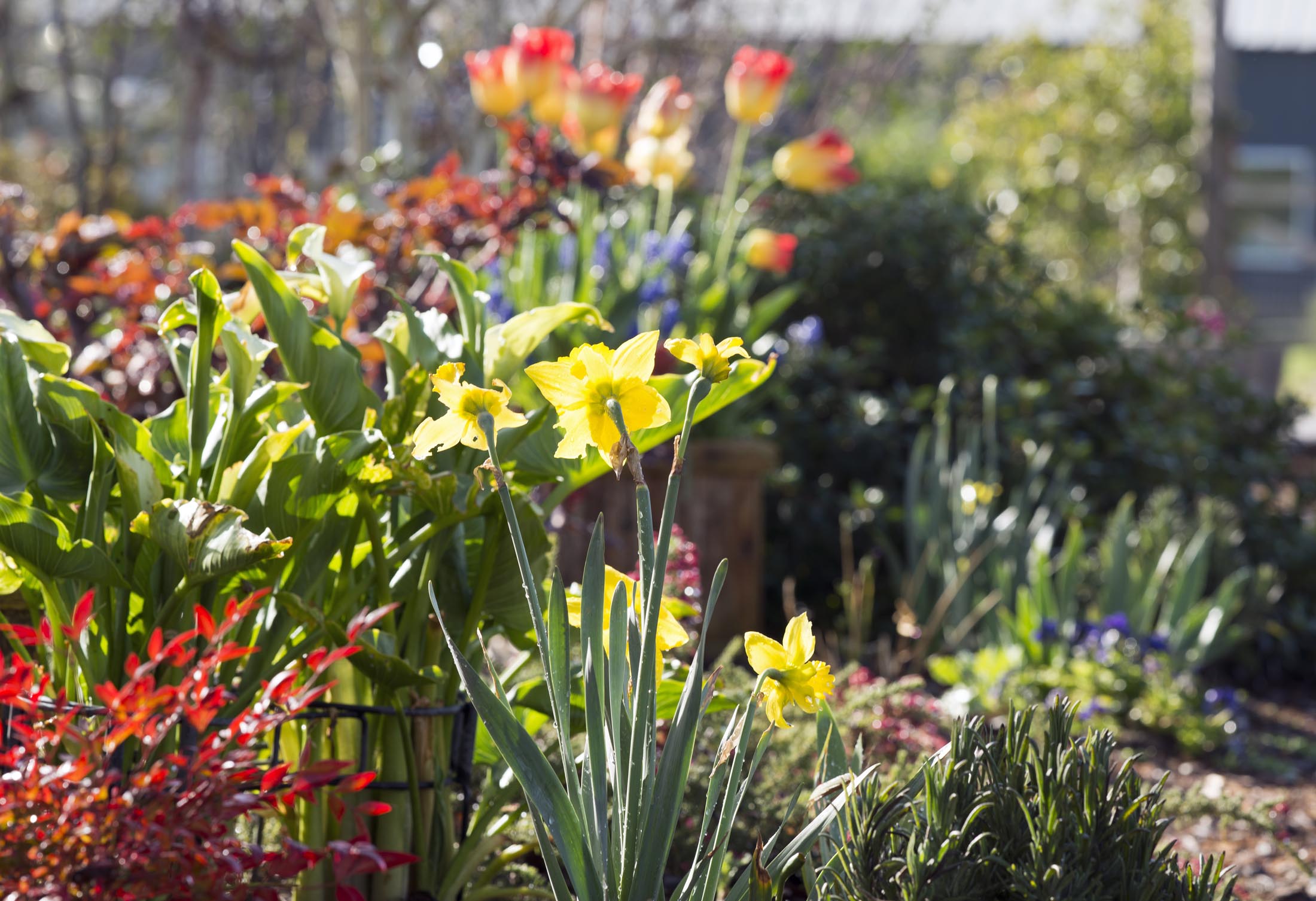
Spring Greeted in the Garden

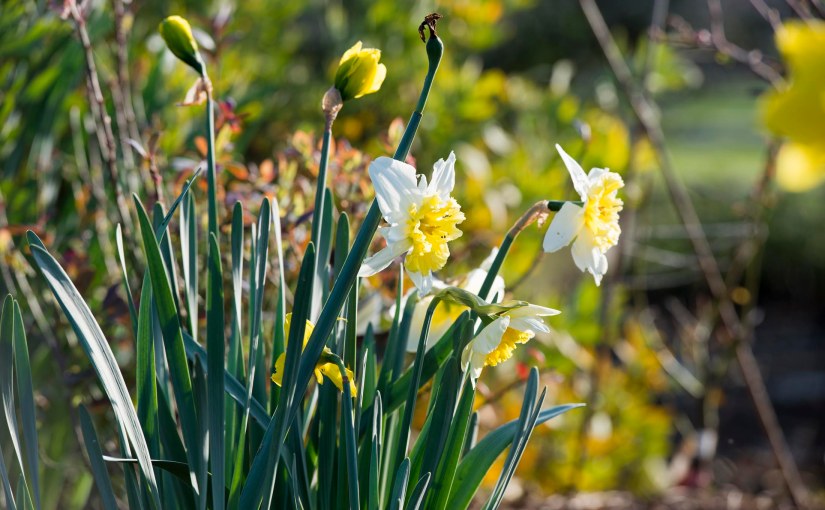
“I love spring anywhere, but if I could choose I would always greet it in a garden.” ~ Ruth Stout

Daffodils_DSC_5458

Saturday was a picture perfect early spring day, which brought out all kinds of visitors to the garden: dogs,

Reacher_DSC_5299

lizards,

Lizard_DSC_4901

snails (by the thousands),

Snails_DSC_4874

and Rocky! Our resident snake is back and apparently well fed.

Snake_DSC_4894

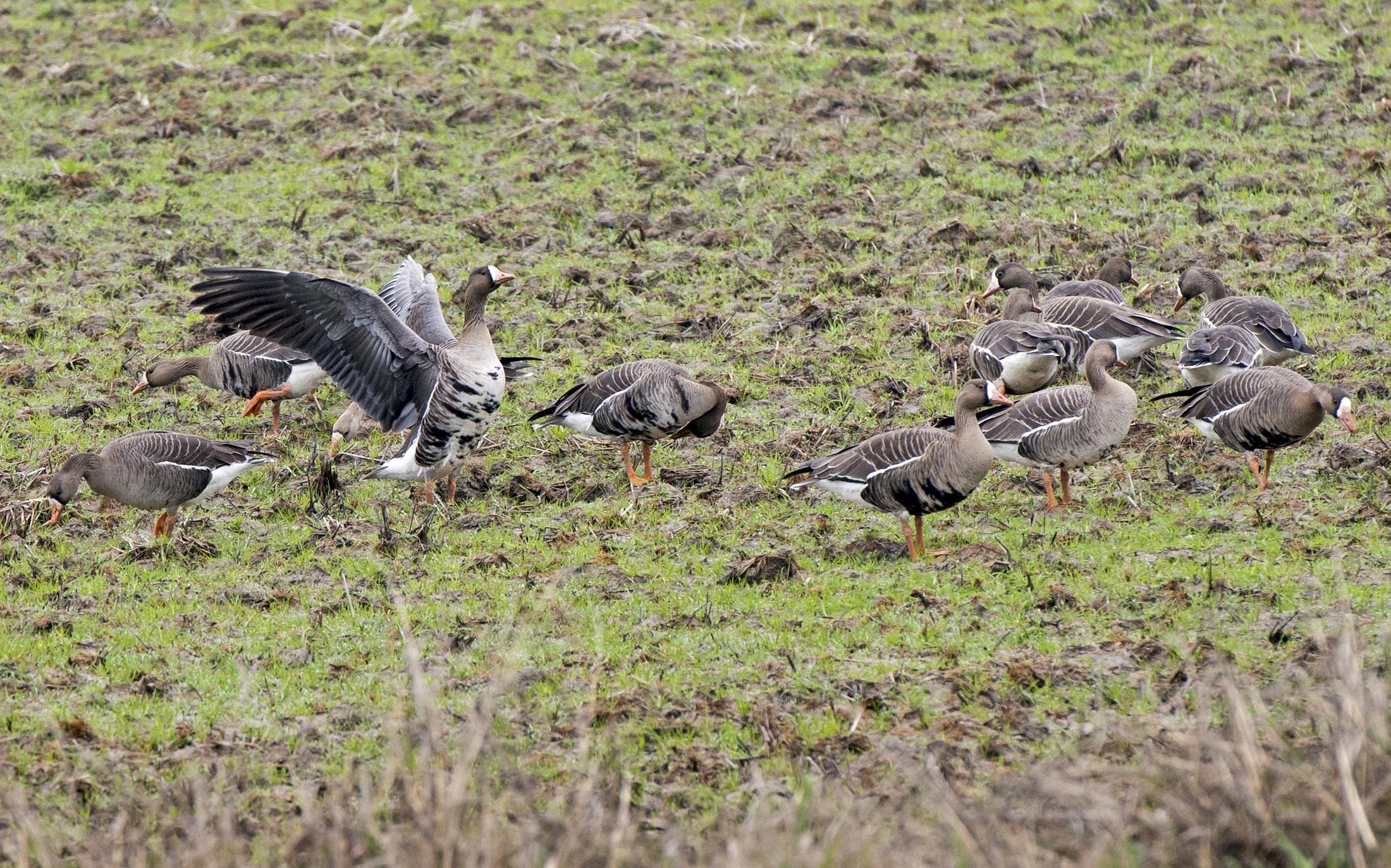
And if the geese hadn’t found such a buffet in the wet field next door, they would probably have been in the garden as well.

Geese_DSC_5366

We could have used the extra helpers. Twenty beautiful antique roses were gifted to us (thank you, Marguerite!); lifted from their home in Napa and delivered in a packed SUV by Maria. Since they were quite literally “bare root,” they needed to be planted right away. We sorted them by size and color, dialing up Anna’s mom, Lynn – a rosarian, for reference.

Rose Donation_DSC_5397

Somehow, Maria, Anna and I got all twenty planted in one afternoon. Somehow, we found space for them! In between there were “going home” pictures to grab. From across the garden I hear the holler: “photo needed!” It is an interruption that I am always happy to accommodate. Happily, there were quite a few:

Frankie,

Frankie_Going_Home_DSC_5416

Brandi,

Brandi Going Home_DSC_5293

Three of our hunting dogs, including Drake who found himself a family of boys,

Drake_Going_Home_DSC_5426

and Bailey and Bandit, who found themselves a home together with a couple of girls.

Bailey_Bandit_GoingHome_DSC_5525

But the best picture of all was a simple snapshot taken a few days earlier, capturing the smiling faces of Riley and his new mom.

Riley_Going_Home2
“Spring has returned. The Earth is like a child that knows poems.” ~Rainer Maria Rilke

Ranuculus_DSC_5453
Della_DSC_5438

The Color of Springtime

To my frozen blogger friends and family on the east coast, I send a tiny bit of spring and offer this deal: if you’ll send water in form of melted snow and ice, we’ll keep sending flowers. 🙂

Poppy_DSC_5081
Tulip_Grape Hyacinth
Pink Hyacinth
Snapdragon_DSC_5047
Iceland Poppy_DSC_4853

“The color of springtime is in the flowers; the color of winter is in the imagination.” ~ Terri Guillemets

Iceland Poppy_DSC_5041
Ranuculous
Anemone_DSC_4854
Tennis Balls_DSC_4803

Oops…those sneaky dogs!!
Stay warm all (and use lots and lots of imagination until spring).

Proof is in the puddles

I stand before you, falsely accused.

Ina is the horticulturist on our team of gardeners. She is expert at selecting and nurturing native or drought-tolerant plants that can survive California’s waterless years. She has taught me a lot about planting for success in our clay-heavy, sun-baked garden.

One of her first soldiers – a large silver ragwort (jacobaea maritima) – was recently lost. You can see it here in its magnificence. She suspects I snuck it water and thus, contributed to its untimely demise.

Cottage-Garden1_3_13

When we were deluged with two storms in December, where was Ina? Maui. While all of January was dry, we were visited by a Pineapple Express this weekend – a warm, wet storm that blows in off the Pacific – an “atmospheric river.”

Before:
Garden_February_DSC_4340
After:
Garden_Feb_Rain_DSC_4372

Here, before you I present the photographic evidence which should exonerate me: proof positive that Ina’s garden sits in one of the lowest spots of the garden. Her beautifully appointed crushed granite pathways serve as perfect vessels, creating self-contained rivers that hold water for days. Yes…those are her rosemary, lavender, tulbaghia violacea (aka…smelly society garlic), artemesia, lamb’s ear, asters, lion’s tail, and tanacetum plants and grasses sitting in the flood zone.

Garden_Feb_Rain_DSC_4374

What say you jurors…kind blogger peers? Regardless of the verdict, the rain is SO very welcome.

Before:
Garden_February_DSC_4343
After:
Garden_Feb_Rain_DSC_4373

The downside of a Pineapple Express is that creates rain in the Sierras instead of snow pack. We depend on the snow pack to refill our rivers and reservoirs later in the year. But, at this point, we are grateful for water in whatever form it arrives.

Before:
Garden_February_DSC_4342
After:
Garden_Feb_Rain_DSC_4371

It all made for soggy, dog-walking duty this weekend at the rescue – but who can argue with the rewards?

Volunteer_Danny_DSC_4291
Garden_Rain_DSC_4338

Brown is the New Green

This summer, it seems the weather forecast is always wrong. Friday was 110. This weekend was supposed to hover near the century mark. Instead, someone ordered up a breeze and clouds. Rainless clouds. But clouds, nevertheless. We have been surfing temperature waves all summer. Peaks and dips. They are taking their toll on the garden.
Garden_DSC_9529

The USDA declared a drought disaster for California, now listed as being in “exceptional drought.” Fires are breaking out everywhere. The forecast calls for a warmer than normal September through November. While our friends in the east endure soggy – we sizzle. And pray for rain.
In my favorite public gardens, you will find casualties of city-imposed water cutbacks.
Dried_Flowers_DSC_8602
Scorched_Leaves_DSC_8615

Brown is the new green.

Dried_Flower_DSC_8669

In our Memorial Garden, we have reduced our water use by nearly half.

Garden_DSC_9530

We’re fortunate to have established trees to provide more shade…for the plants – and the dogs!

Julie_Pete_DSC_9273

The soil contains a good amount of clay to hold the moisture in…and drought tolerant plants combined with heavy mulching have kept the losses to a minimum.

Garden_DSC_9534
Garden_DSC_9536

In sharp contrast to the brown, dry dog walking paths at Homeward Bound –

Path_Dry_DSC_9197

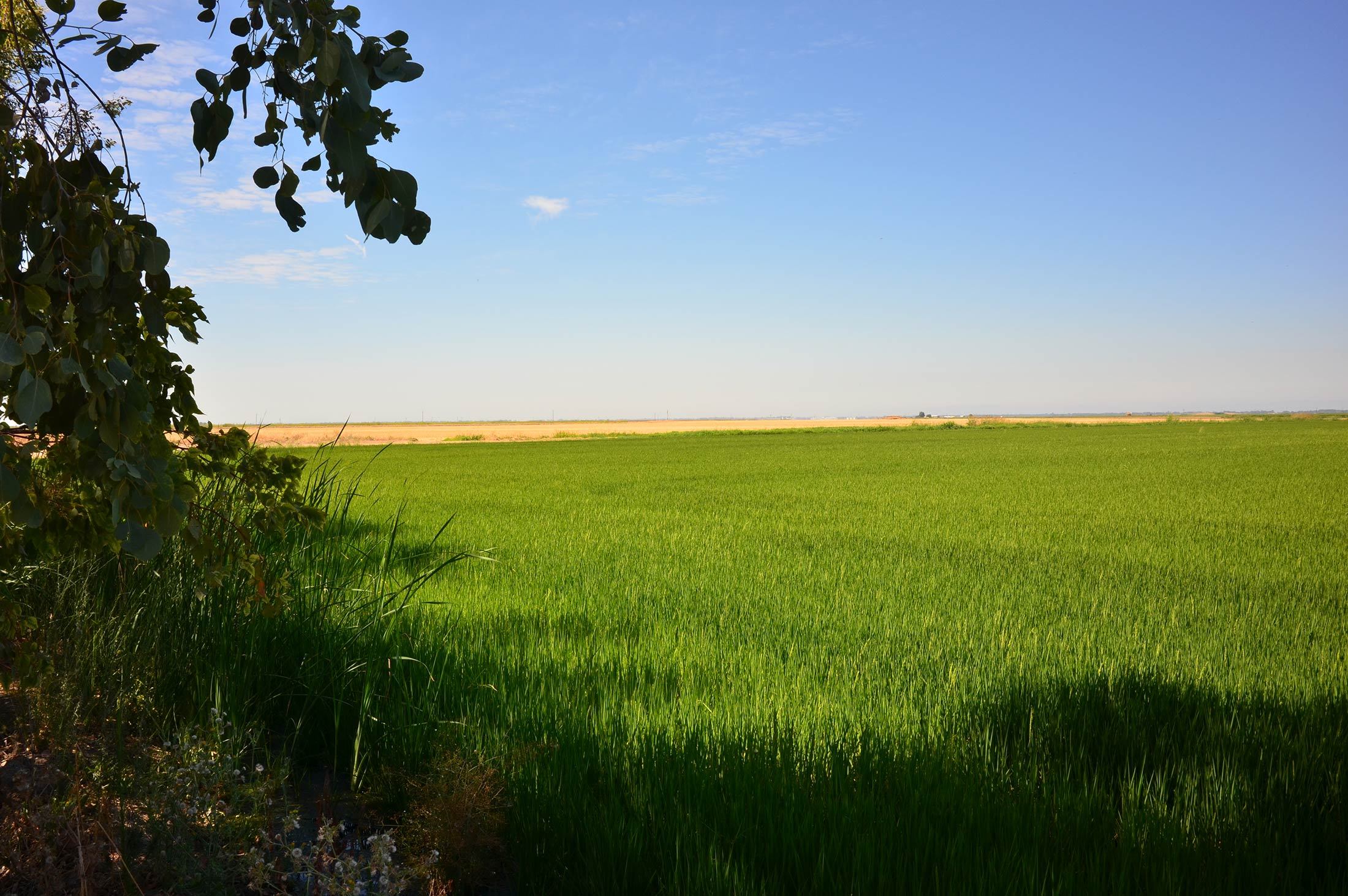
is this strange sight: the lush green of flooded rice fields which surround us.

Rice-Field_DSC_0834

Don’t ask me to speak with authority on this embarrassment of riches. Apparently, if you are a farmer high enough on the water rights ladder, you have the option of paying dearly for the water you use (up to ten times the usual rate) or letting your fields go fallow and selling your rights to someone else.

Rice-Field_DSC_0833

Those that are less fortunate are on long waiting lists to dig ever deeper wells – hoping and praying that the ground water will be replenished this winter with rain. If not – we are all in a world of hurt.

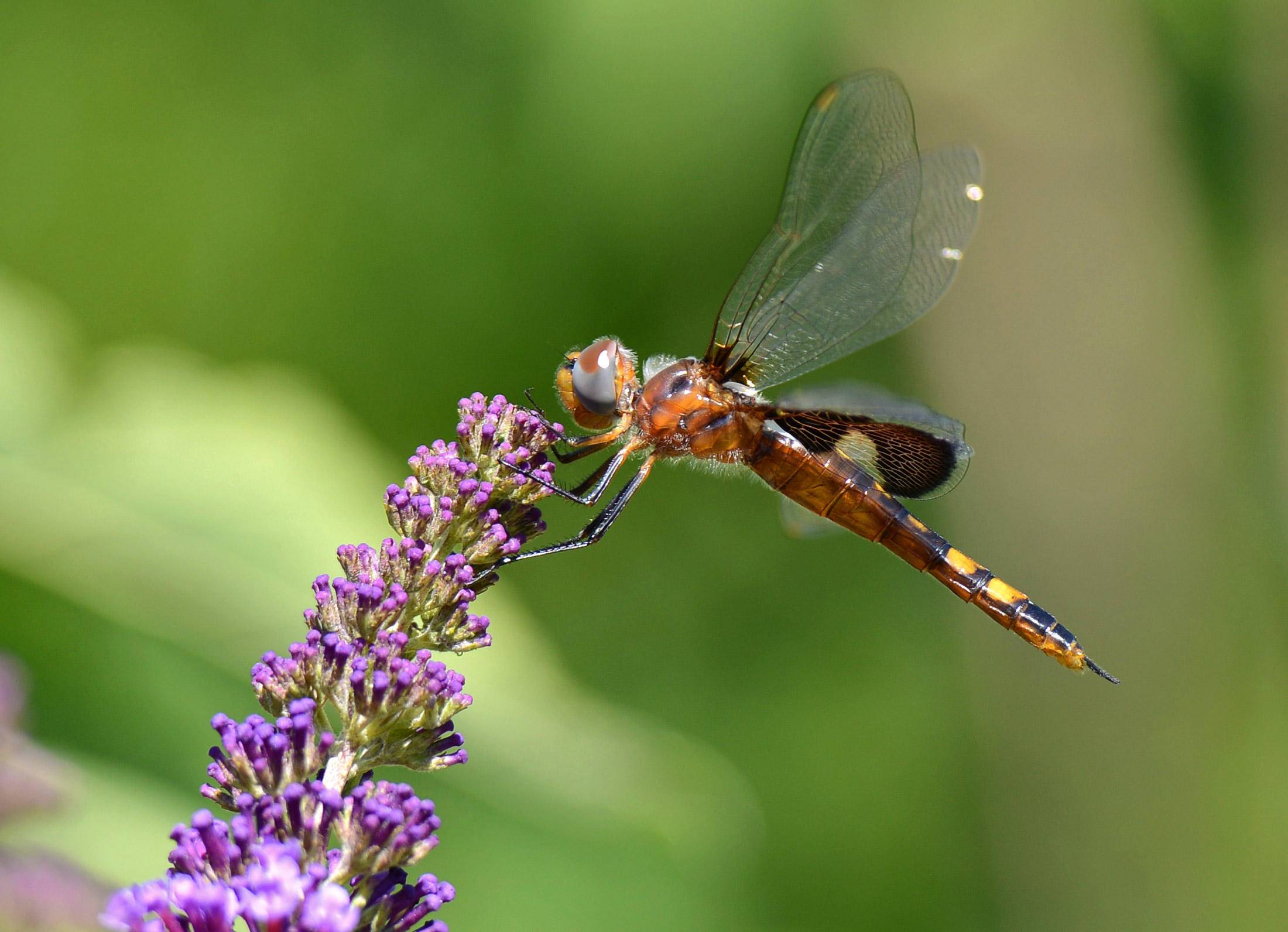
Dragon_Fly_DSC_8306

“When one tugs at a single thing in nature, he finds it attached to the rest of the world.” ~ John Muir

Brown is beautiful and all of that. But please send rain.

Second winds

After weeks of scorching hot and dusty dry – we caught a weather break and had unseasonably mild temperatures for a bit. The garden got its second wind, and sent blooms skyward again.

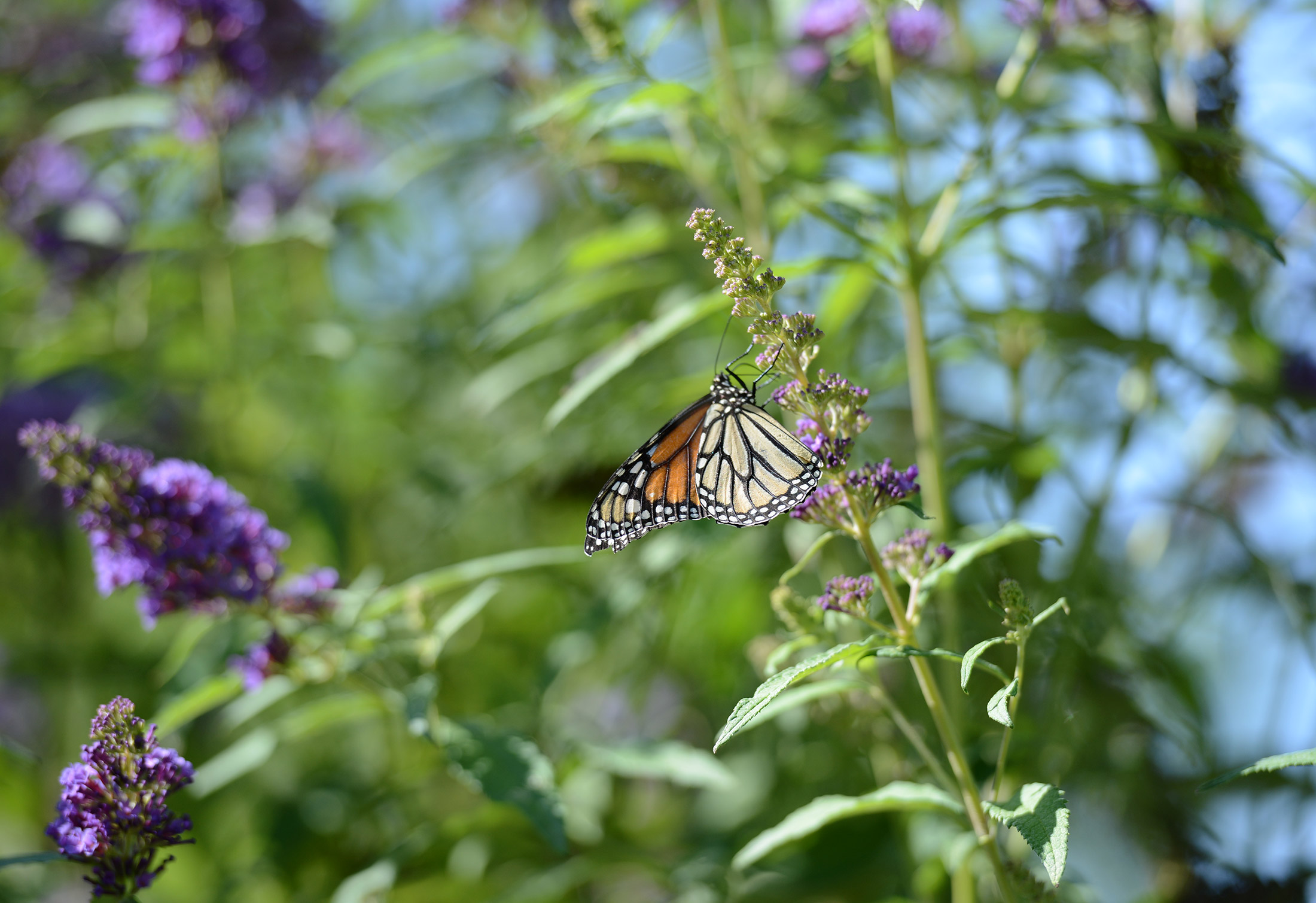
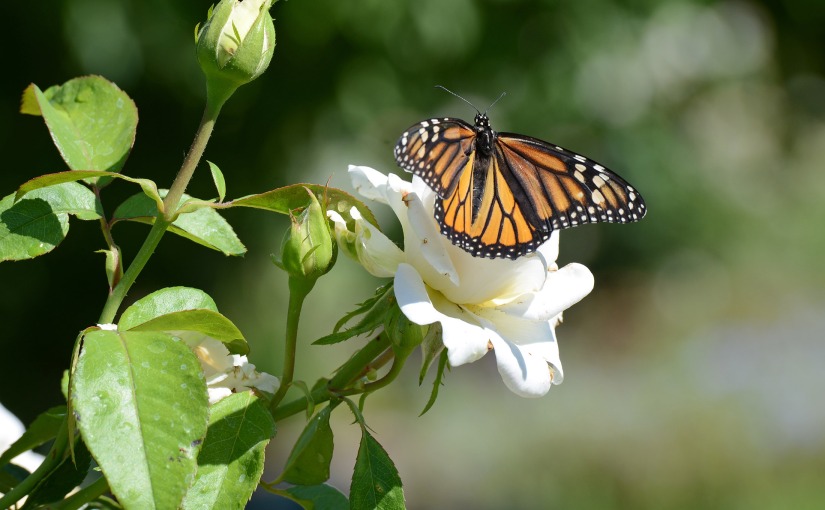
Monarch_DSC_7742

Spectacular Sunflowers…

Sunflower_Giant_DSC_7724
Sunflower_DSC_7734

Dazzling Dahlias…

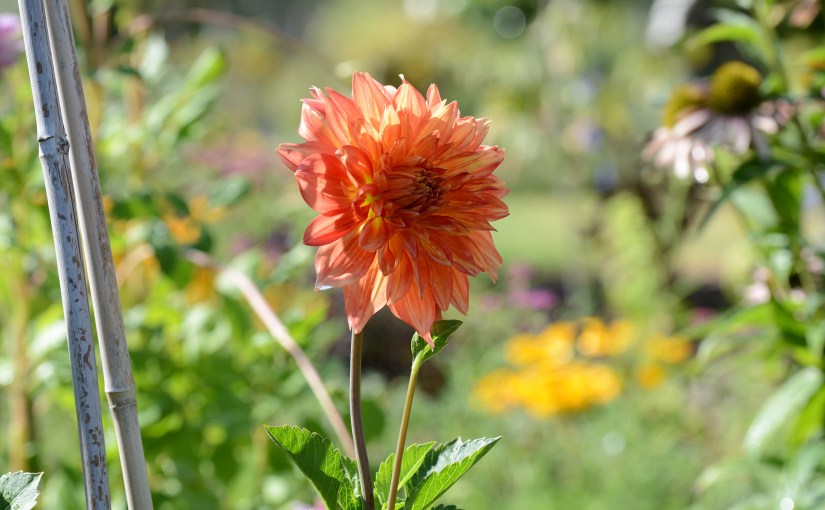
Dahlia_DSC_7707
Dahlia_DSC_7774

Daylilies…

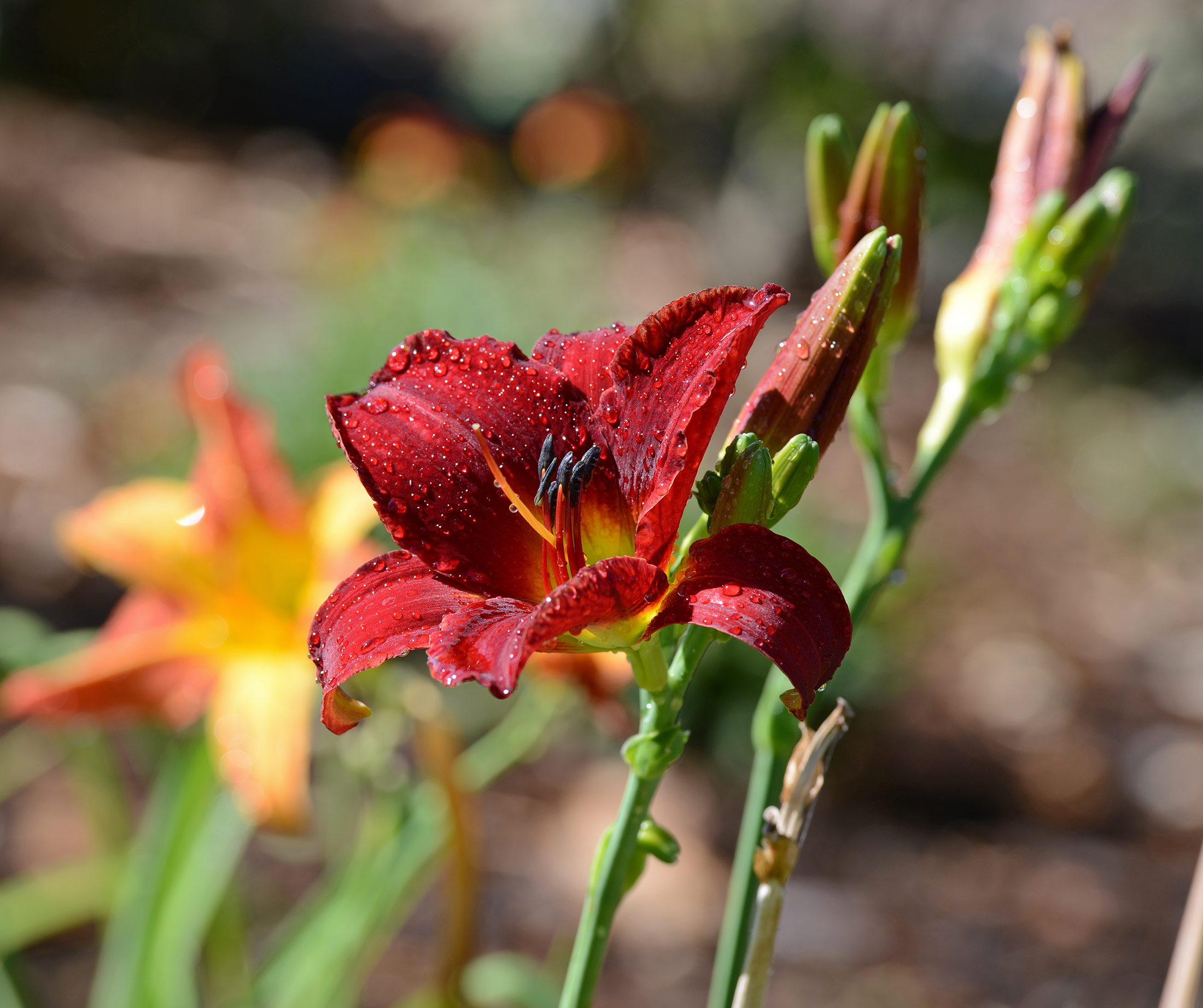
Daylily_DSC_7739

A second round of Delphinium…

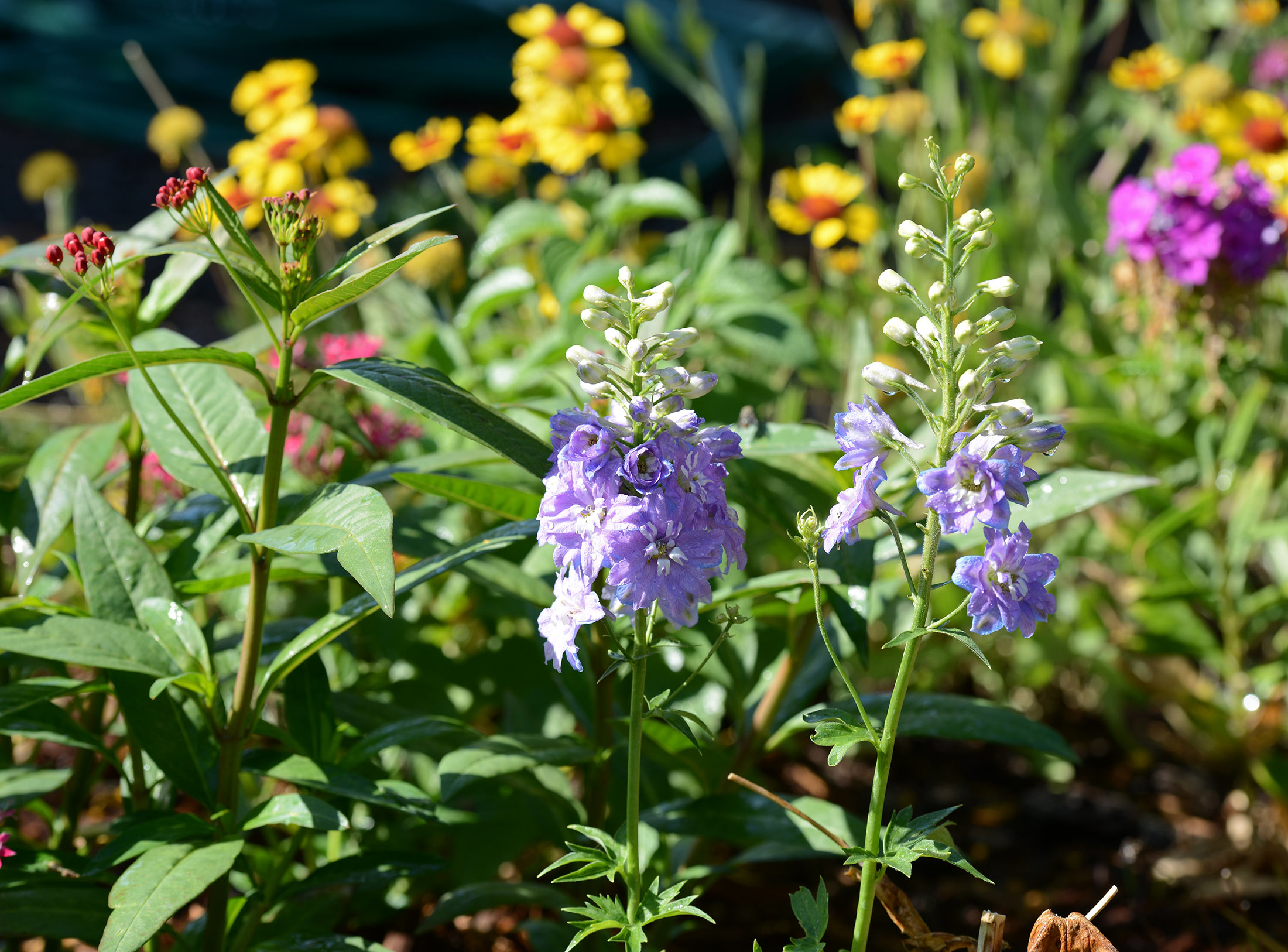
Delphinium_DSC_7705

And the long-awaited appearance of those elusive Naked Ladies.

Naked-Ladies_DSC_7736

Then – on Sunday – something truly amazing: clouds and a very light rain. You don’t realize how much you miss those drops until you live in California through three years of drought. It was short-lived, but spread a hush of gray over the garden.

Garden_DSC_7922
Roses_DSC_7918
Roses_DSC_7916

From riot to quiet.

Hydrangea_DSC_7914
Garden_DSC_7920

“When the well is dry, we know the worth of water.” ~ Benjamin Franklin (Lucky agrees!)

Lucky_DSC_7868

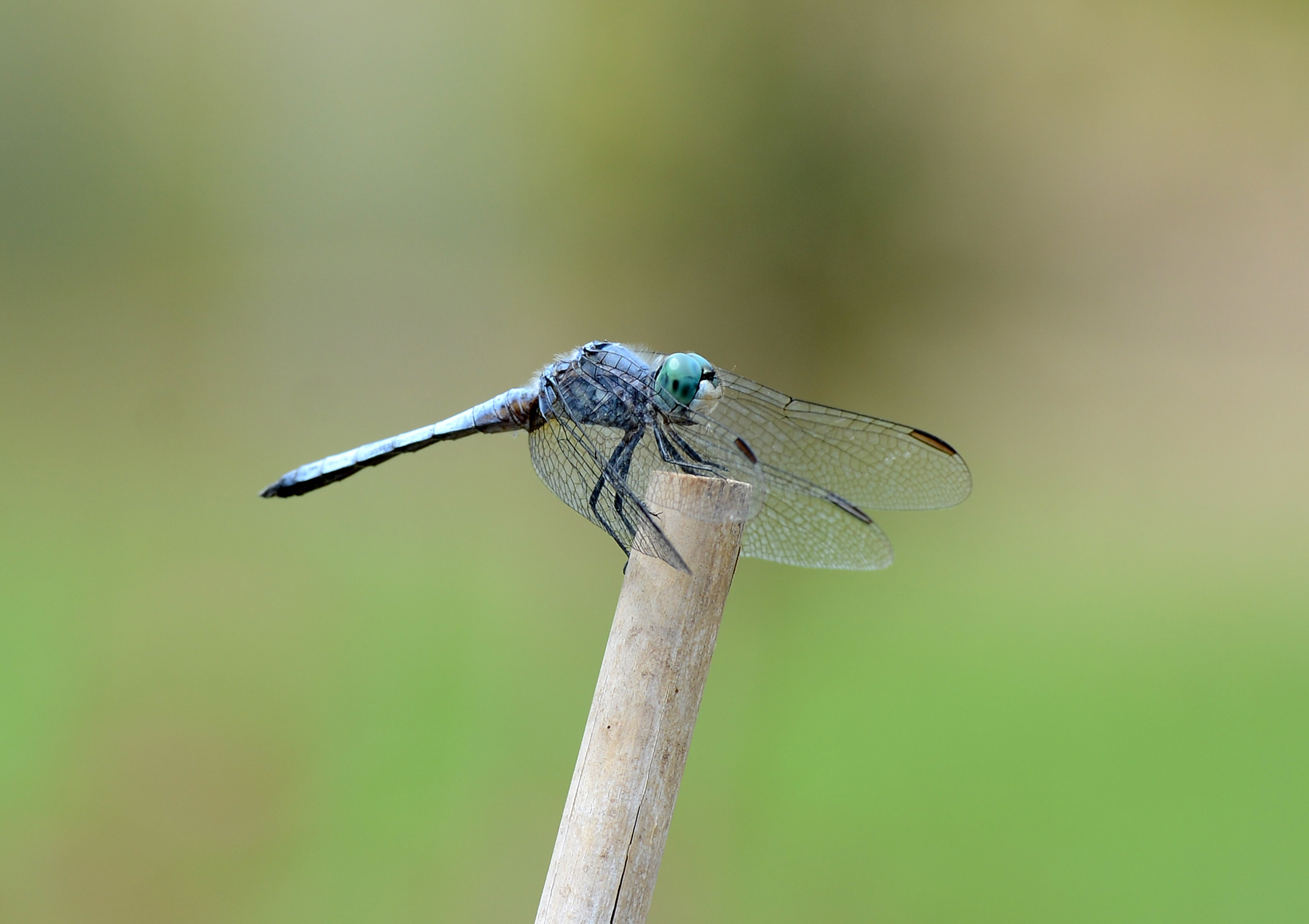
Even the dragonflies were smiling.

DragonFly_DSC_7907

Doing our Part

Our garden not only provides a welcome place for rescued dogs – it supports them through donations for commemorative bricks in our Memorial Garden Path and plaques on our Garden Wall.

This is Sally.

Sally_DSC_7425

This young, puppy-faced dog has already had a lifetime of breeding. Those days are over. Pampering and TLC are our orders for her moving forward.

Sally_DSC_7423

But pups are not the only creatures helped by our garden.

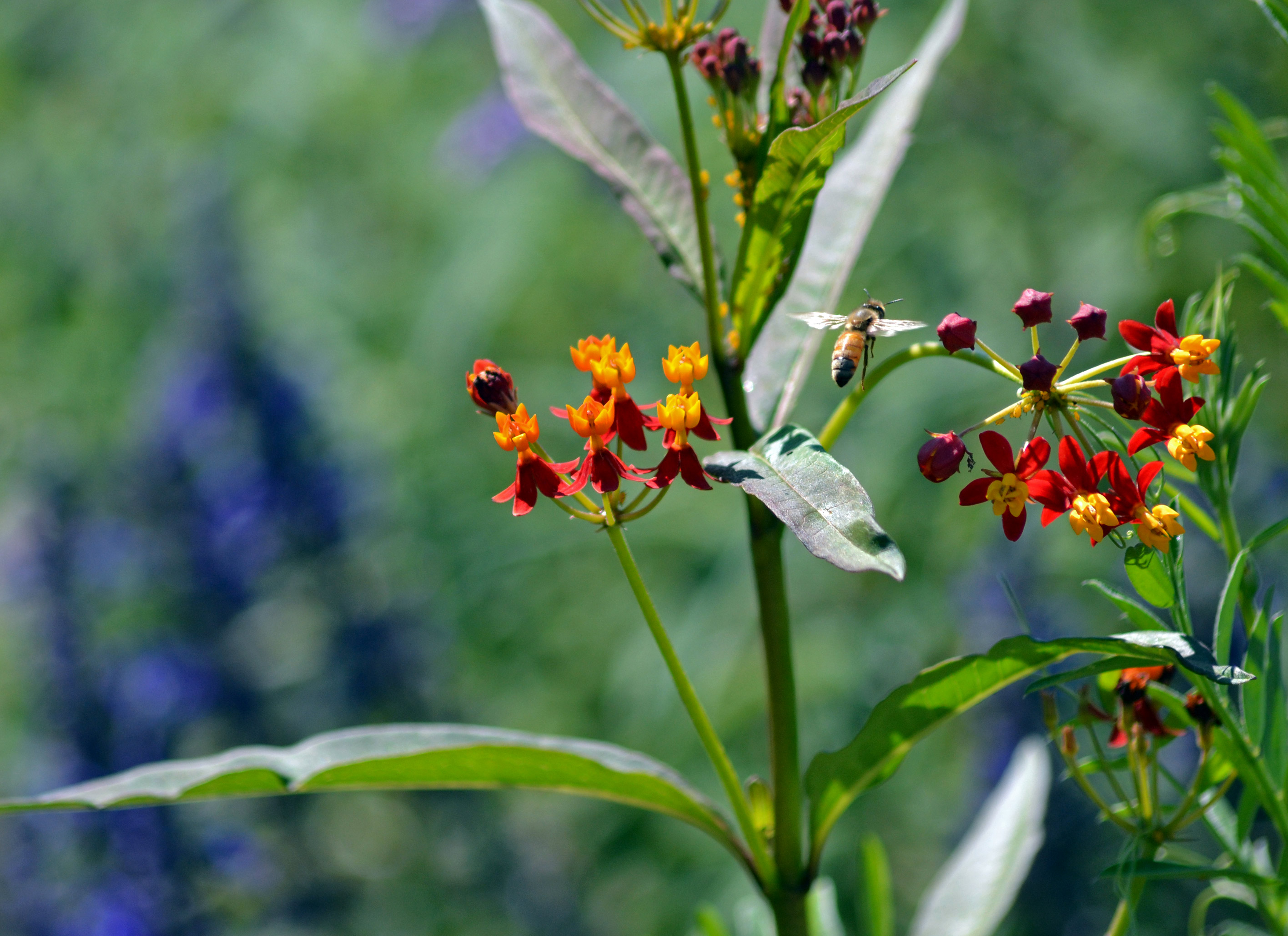
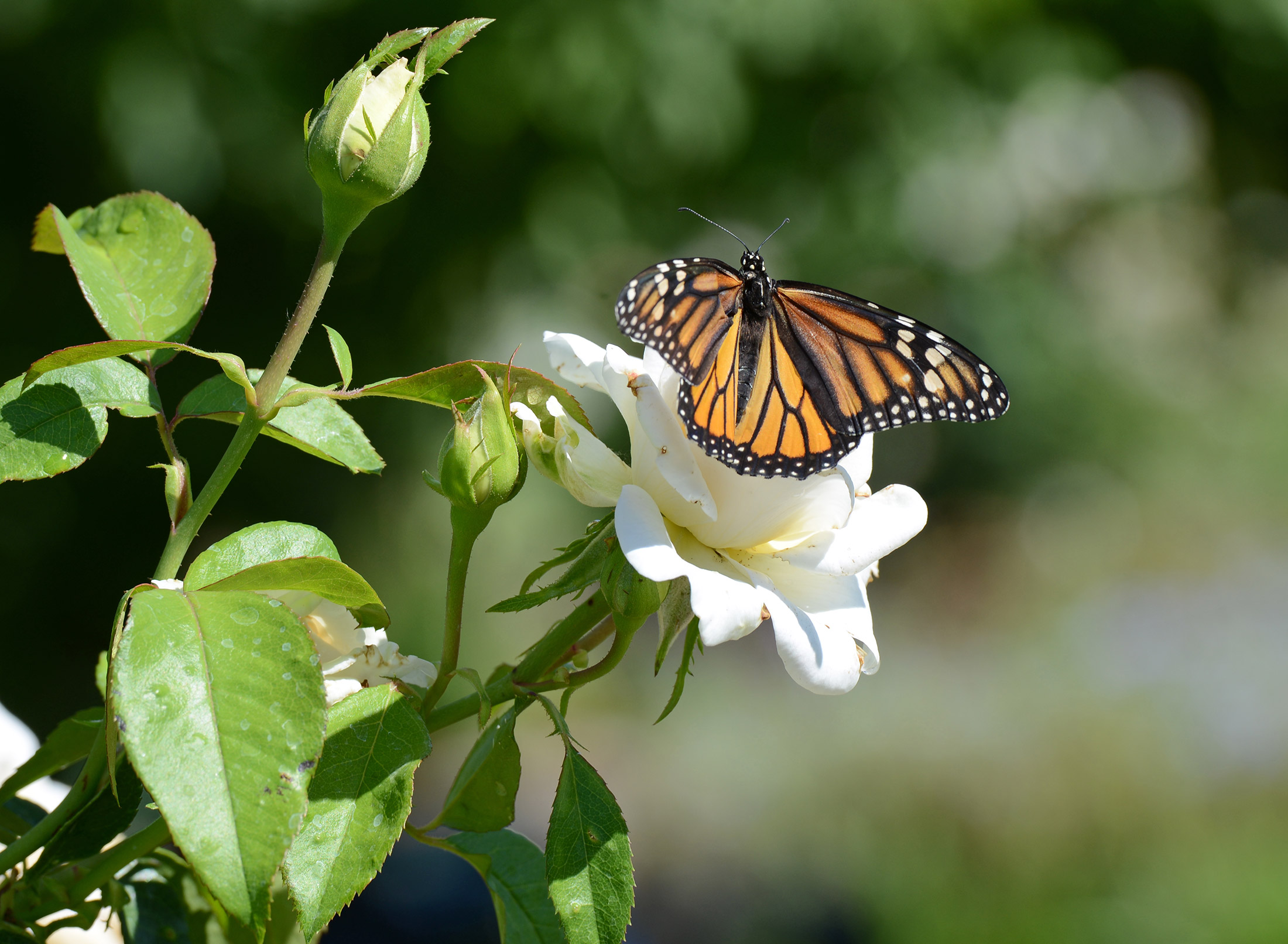
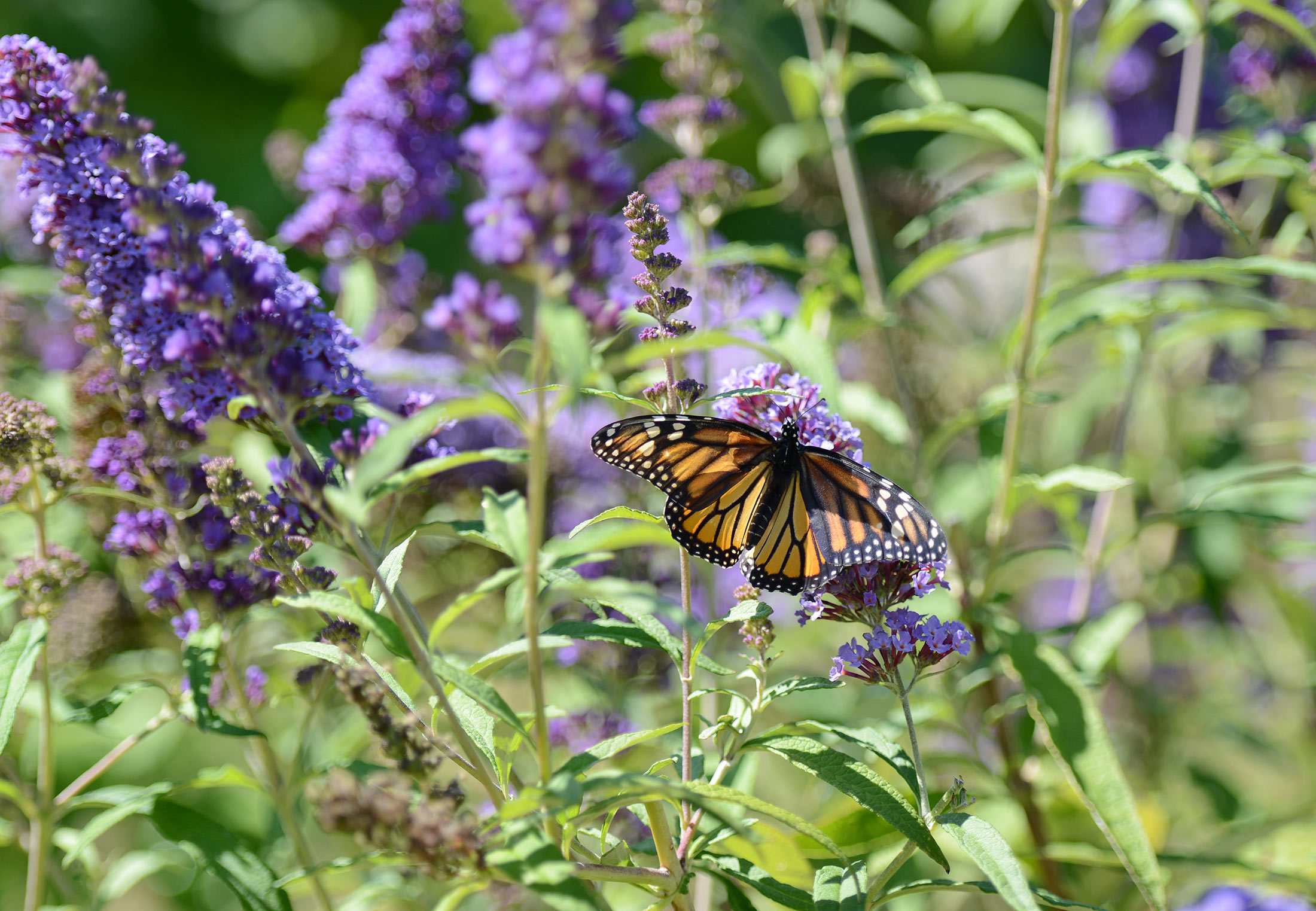
Monarch butterflies have a symbiotic relationship with Milkweed – their host plant.

Milkweed-Bee-9_13_A

A female monarch lays its eggs on a sprouted milkweed plant. The eggs hatch in four to five days producing tiny yellow, black and white banded caterpillars which feed solely on Milkweed. After three weeks of voracious munching, the caterpillar enters the pupa stage and gradually changes into an emerald-green case ringed with golden dots. After five weeks old, the transformation is complete and it emerges as a butterfly.

Monarch_DSC_7328

Two or more summer generations might be produced in the North before the migration begins for over-wintering in the South. Their principal winter vacation spot is Mexico, with some finding warm refuge in Florida, Cuba or Southern California.

Monarch_DSC_7383

Today, Monarchs are disappearing in huge numbers. Their habitat is being lost due to development, overuse of herbicides, climate change and roadside clearing programs. Once common, this beautiful butterfly is on the verge of collapse. We can all help by creating Milkweed “way stations” – which is exactly what we have done in the Memorial Garden.

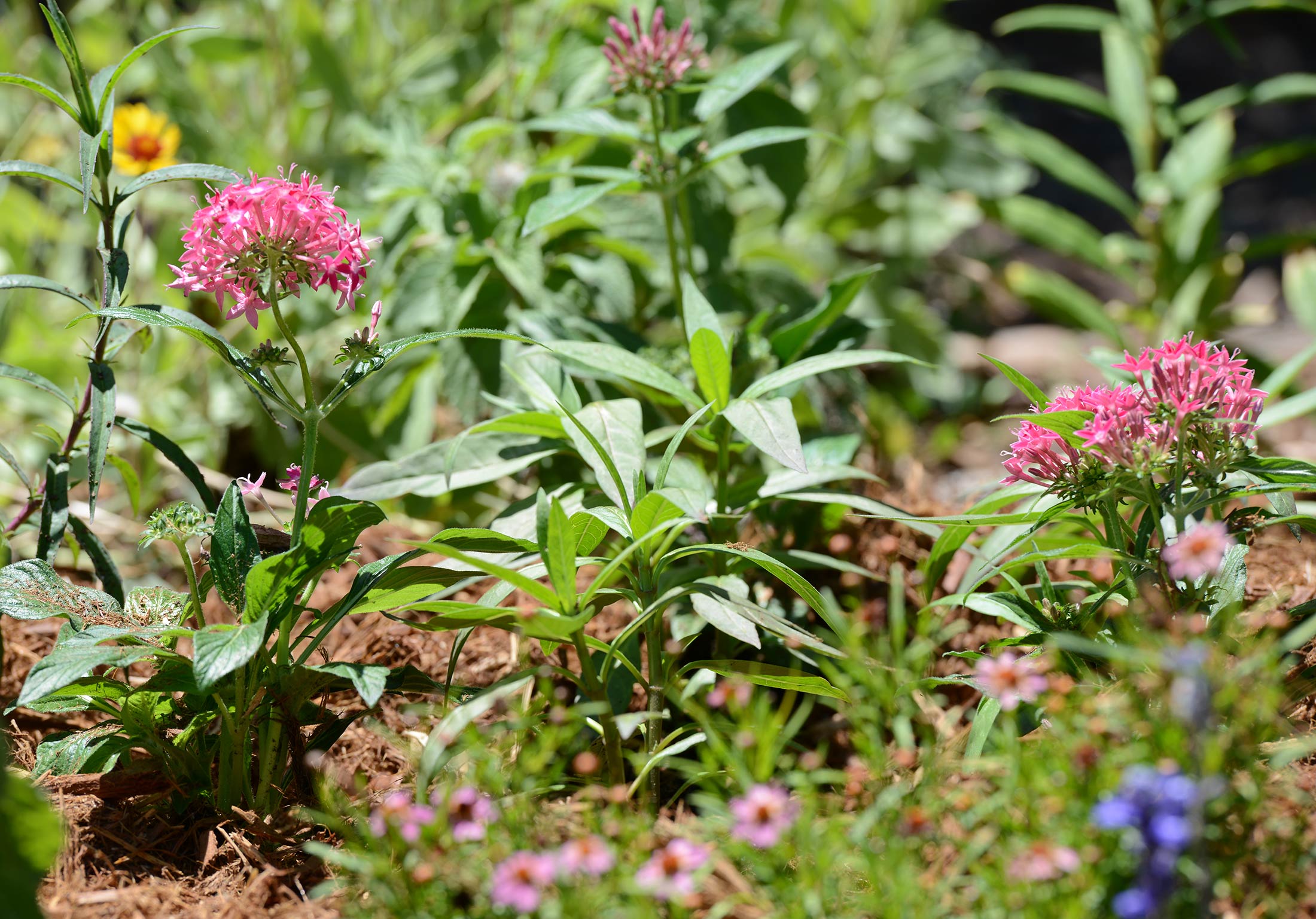
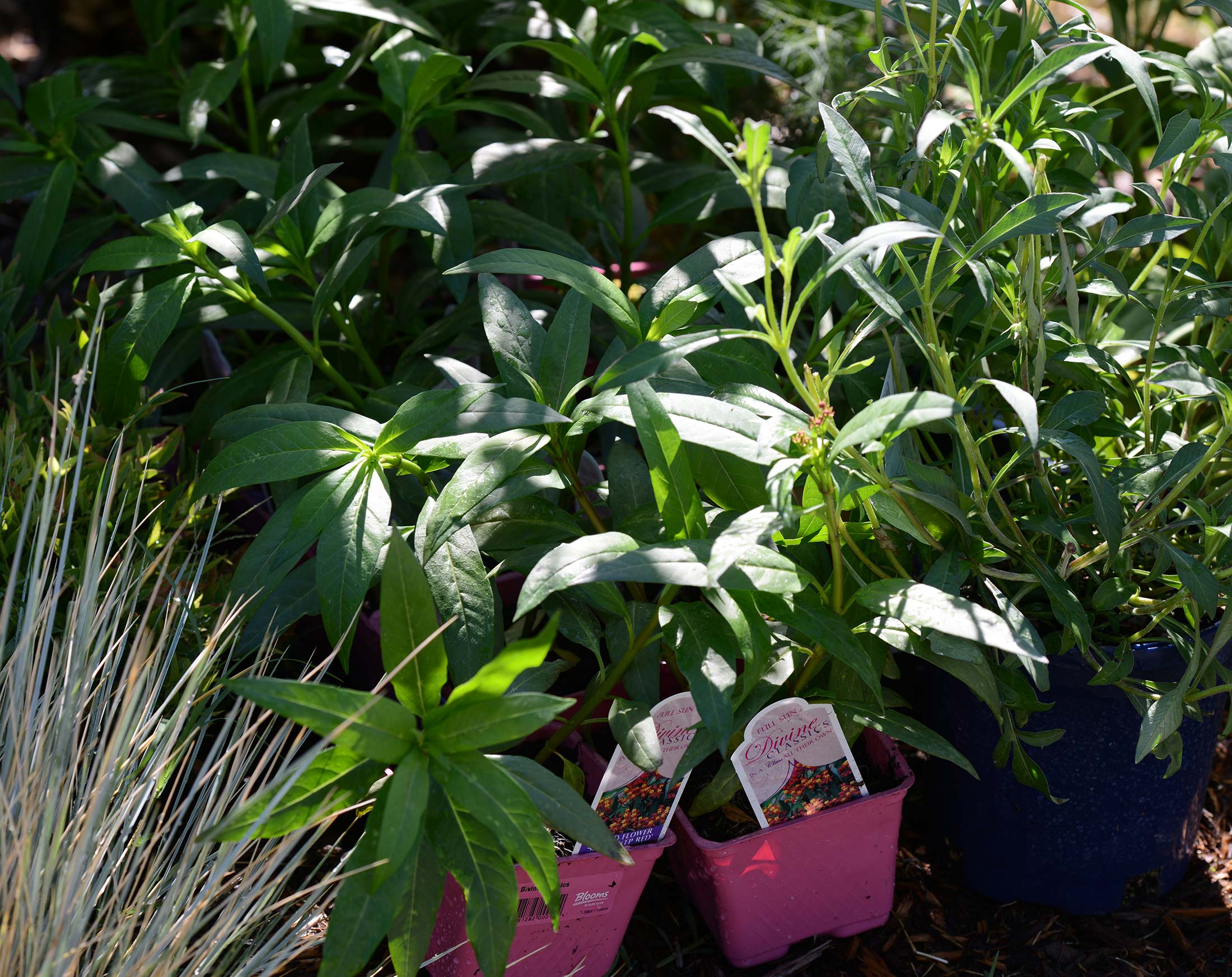
Butterfly-Weed_Pentas_DSC_6102

While it is a perennial, hardy for zones 3-9 – the Milkweed we planted last year did not reappear. So we reinvested and have installed a couple dozen more plants in small patches throughout the garden.

Milkweed_DSC_7336

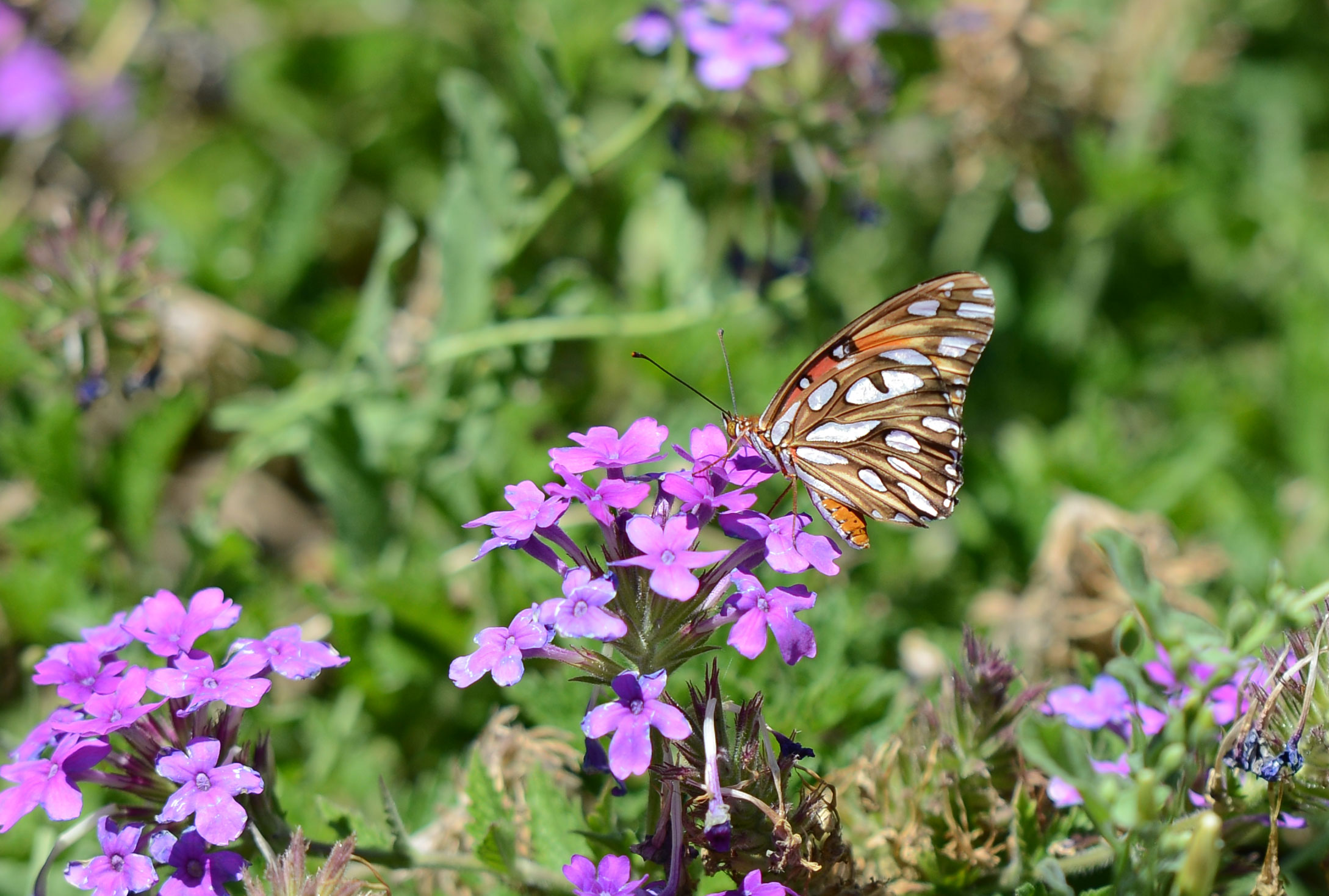
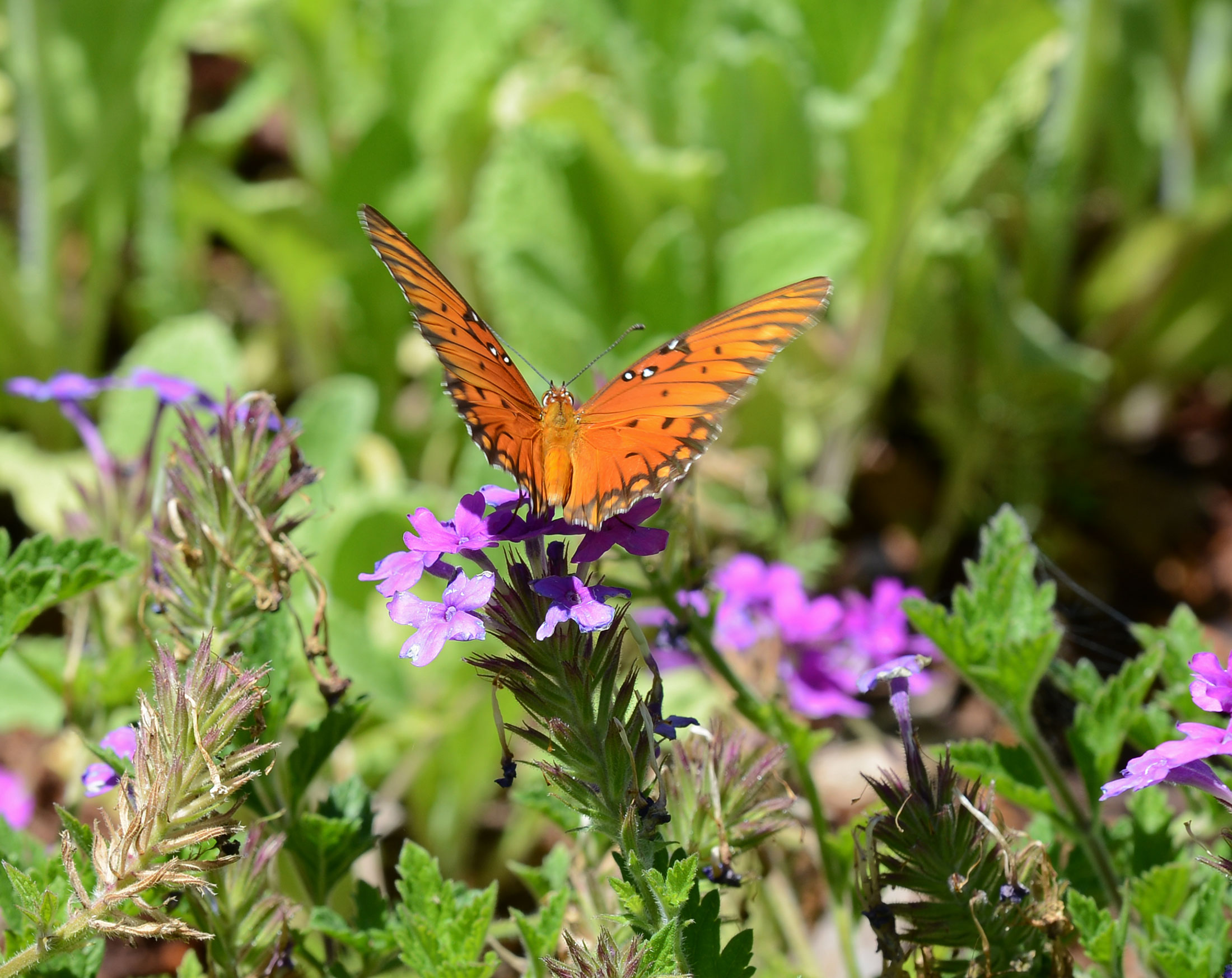
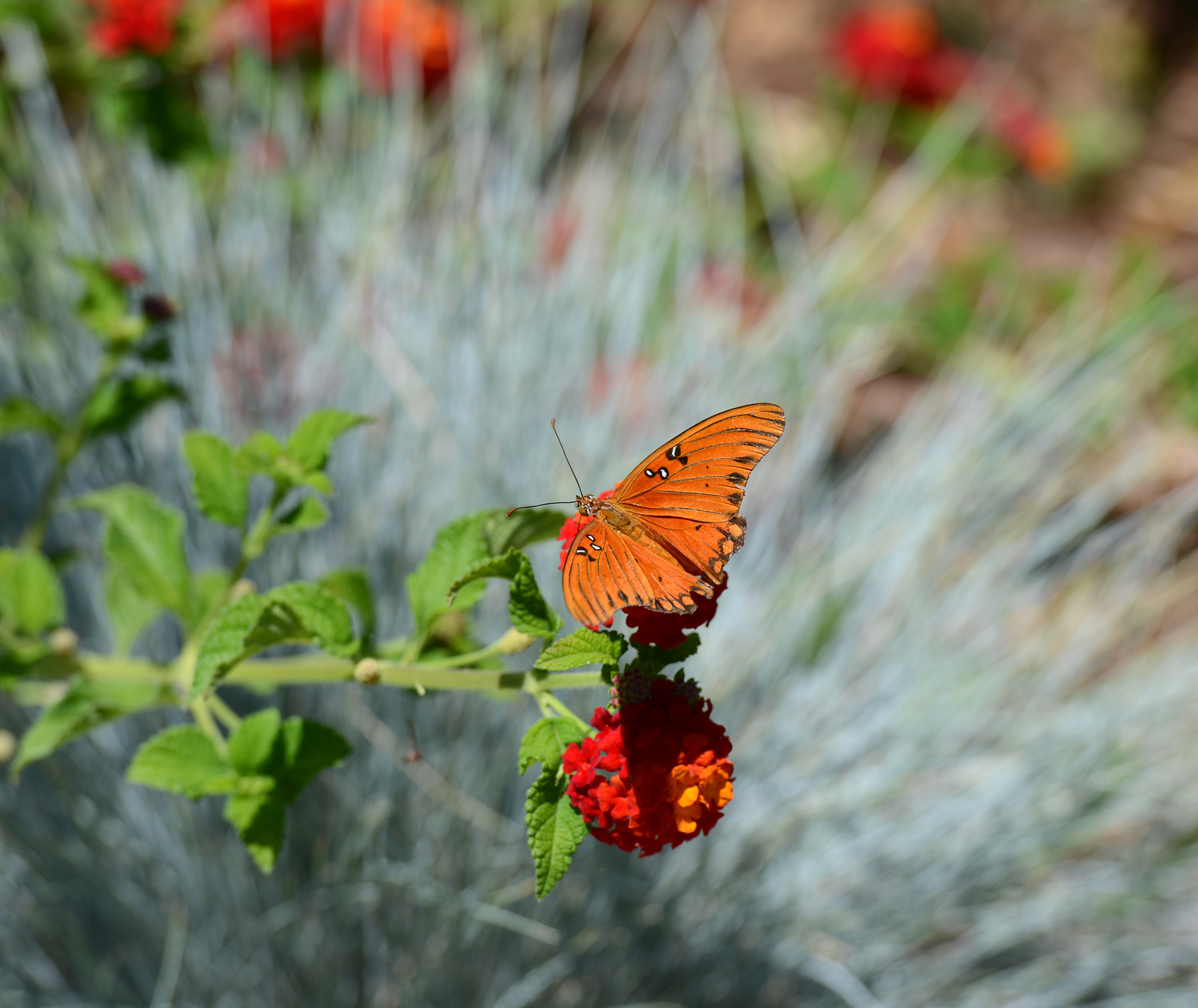
The brilliant Gulf Fritillary, which flourished in our area until the 1960’s actually became extinct in our region.

Gulf-Fritillary_DSC_7540

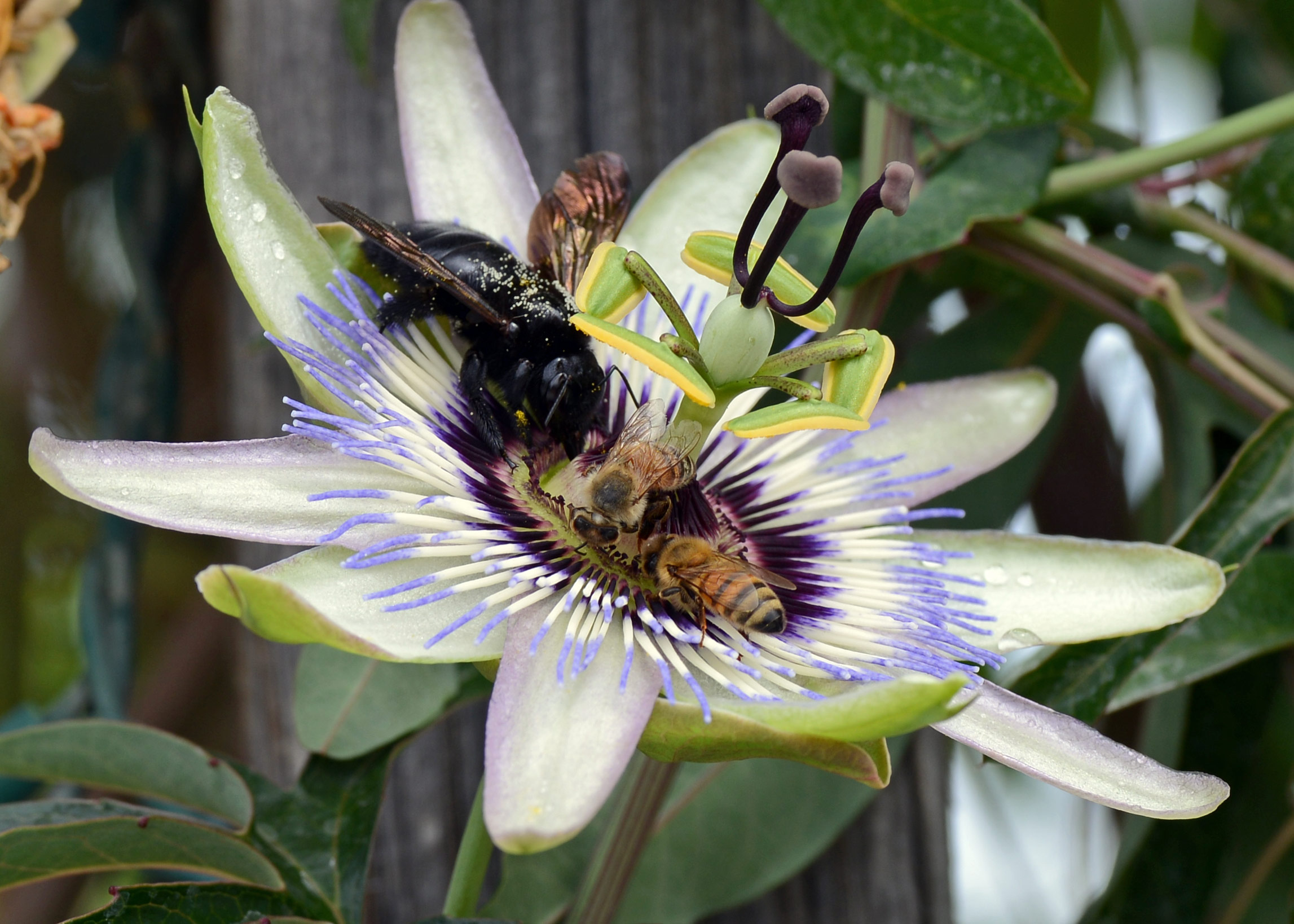
For reasons unexplained, it made a reappearance around the year 2000. Its host plant is the Passionflower vine – which graces one of the entries to our garden.

Passion-Vine_DSC_1121

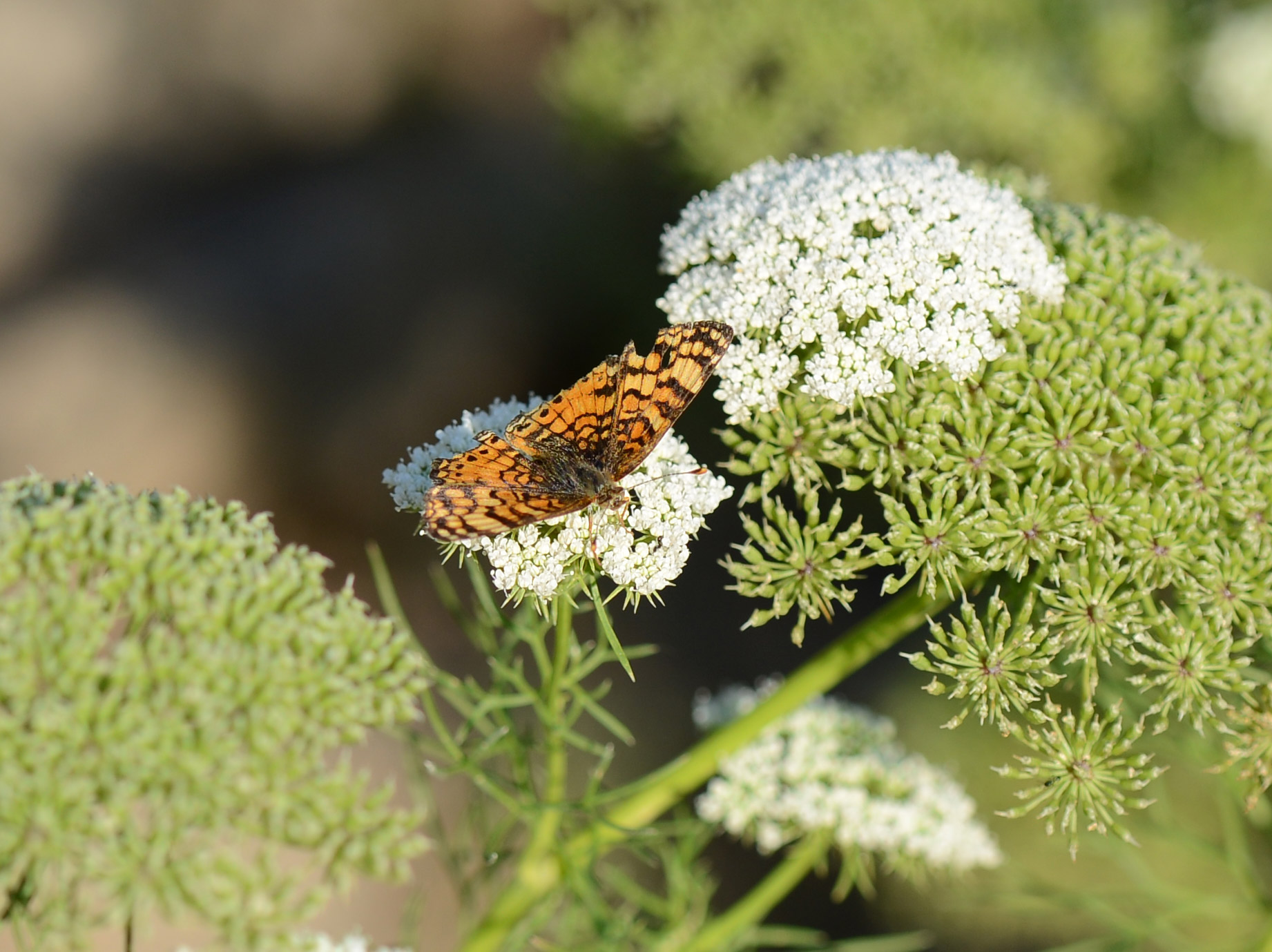
The Gulf Frit has a particular taste for the nectar of Lantana, Mexican Sunflower and apparently, Verbena.

Butterfly_P_DSC_6255

It’s no surprise that it has found a welcome home here.

Butterfly_DSC_6176

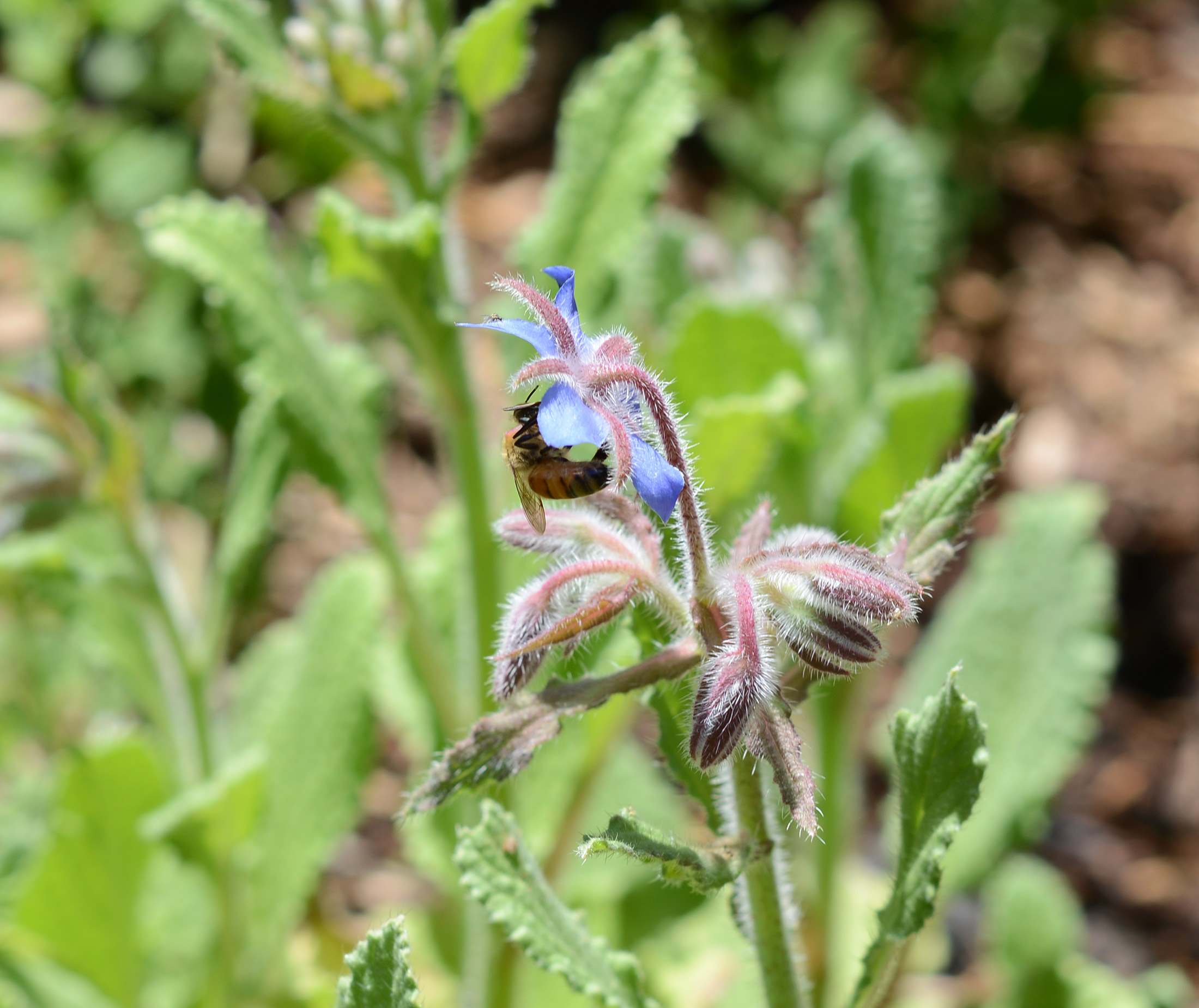
And then there are the bees. Colony collapse is threatening honey bees everywhere. Honey bee pollination is critical for tree nuts, berries, fruits and vegetables. The loss of Honey bees threatens crop production and other species who depend on it as well.

Borage_Bee_DSC_5879

There are many theories surrounding the cause of the disappearing bees, but little certainty. We can support them now by improving their health and habitat – and reducing the things known to be hazardous to both. Give up or severely limit the use of pesticides. If you must use them – avoid applying during mid-day hours, when honey bees are most likely to be out foraging for nectar and pollen on flowering plants.

Bees_DSC_4571

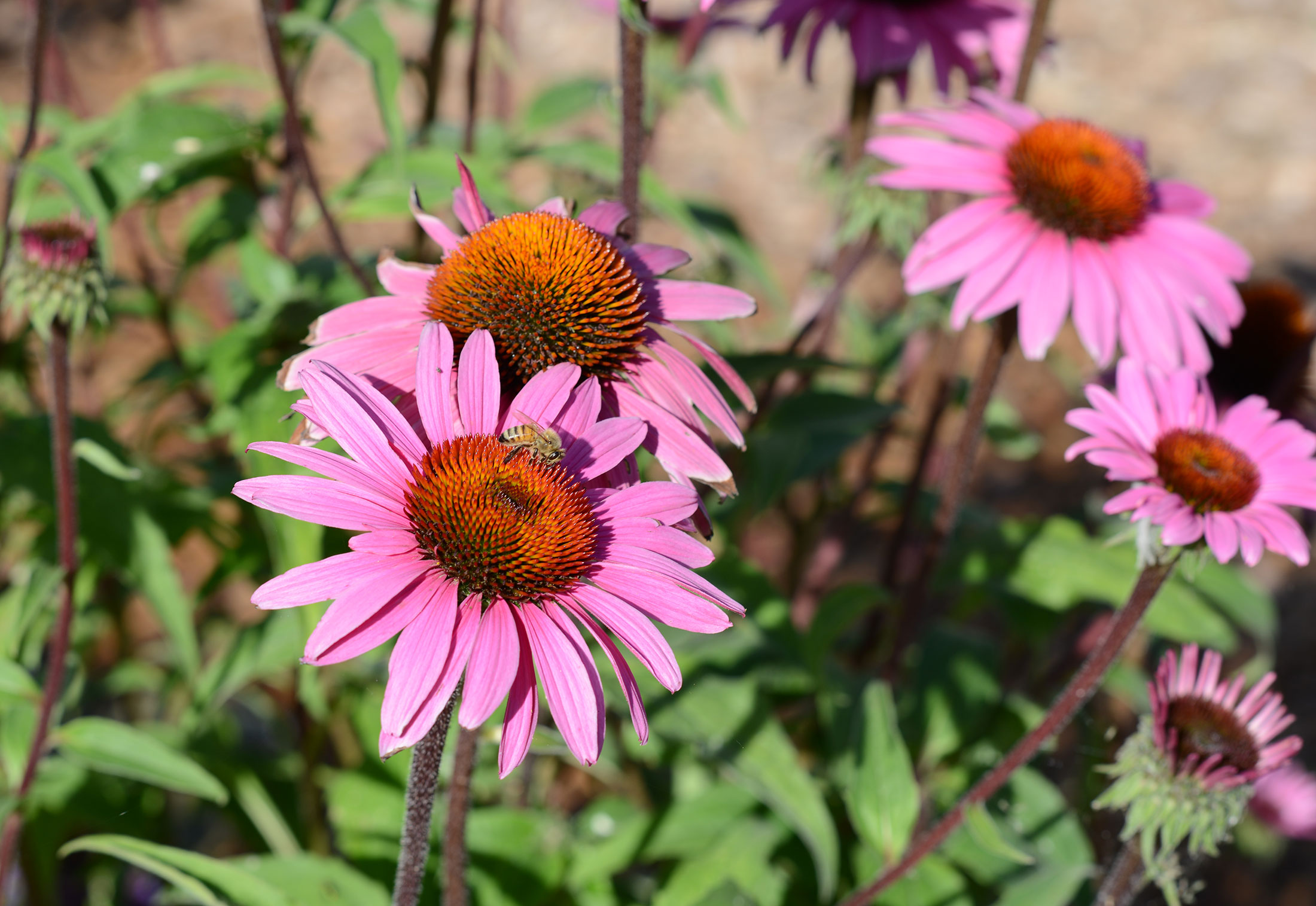
Plant bee-friendly plants – those that are good sources of nectar and pollen such as bee balm, coneflower, goldenrod, aster, borage and sunflower.

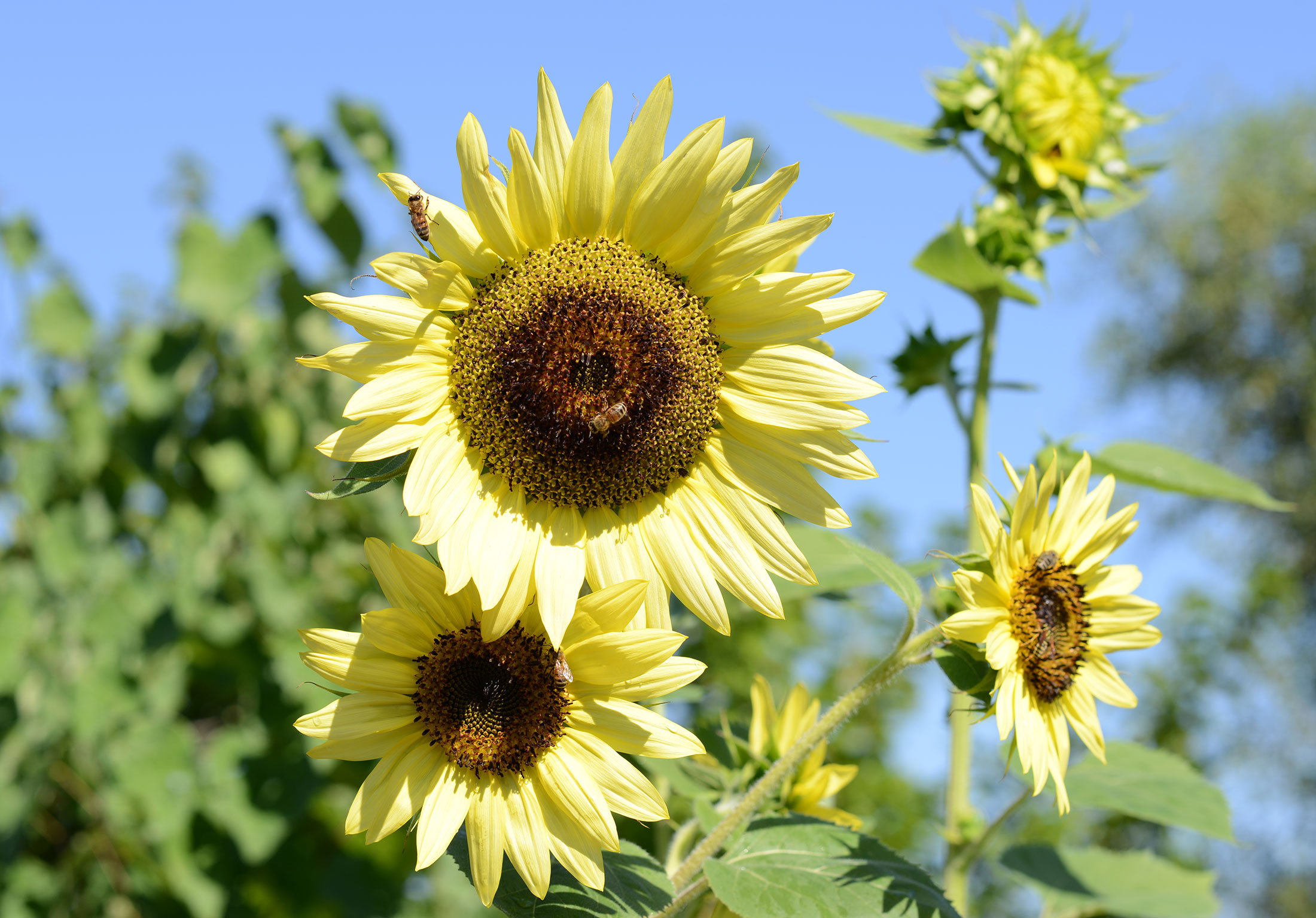
Sunflower_DSC_7257

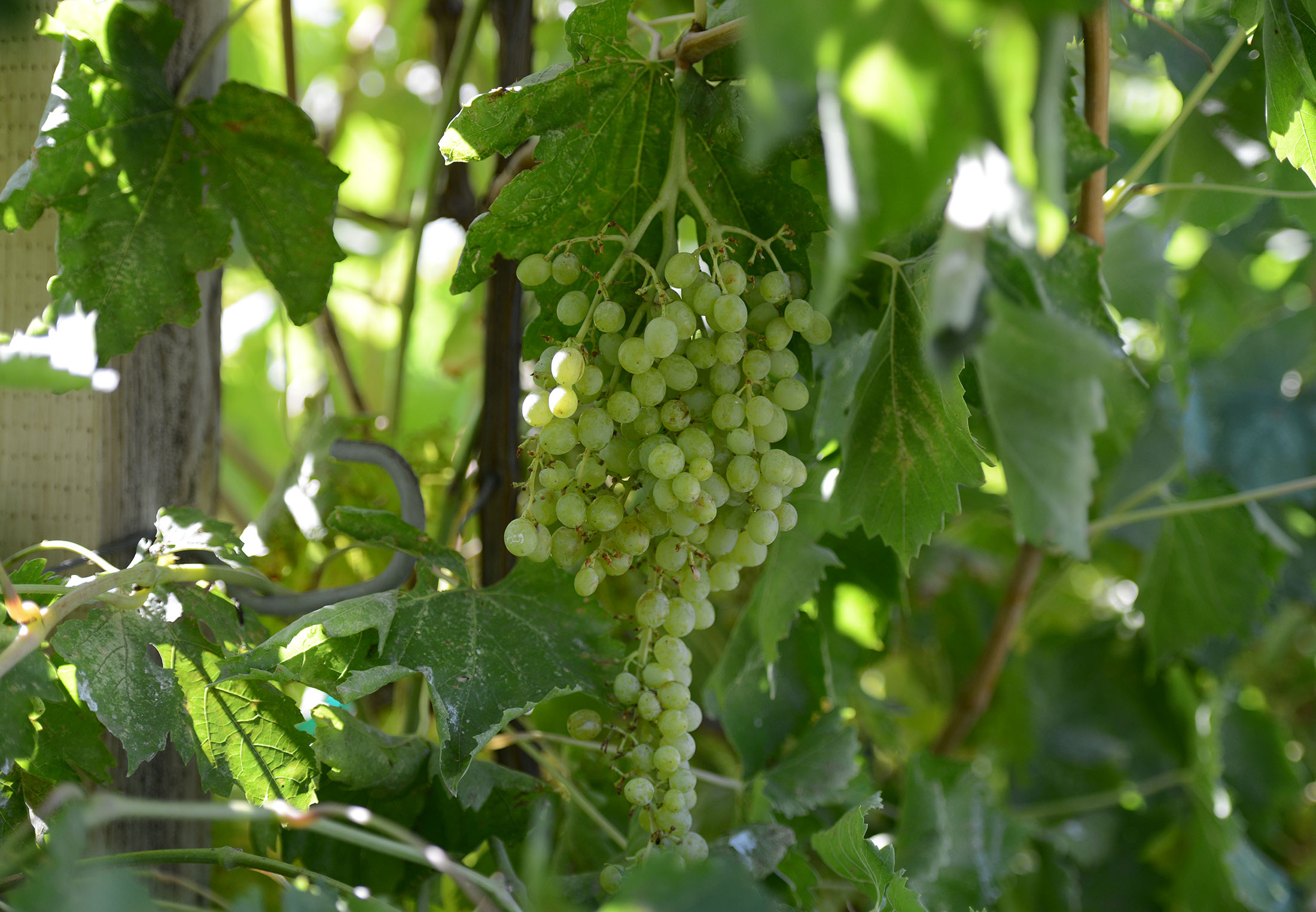
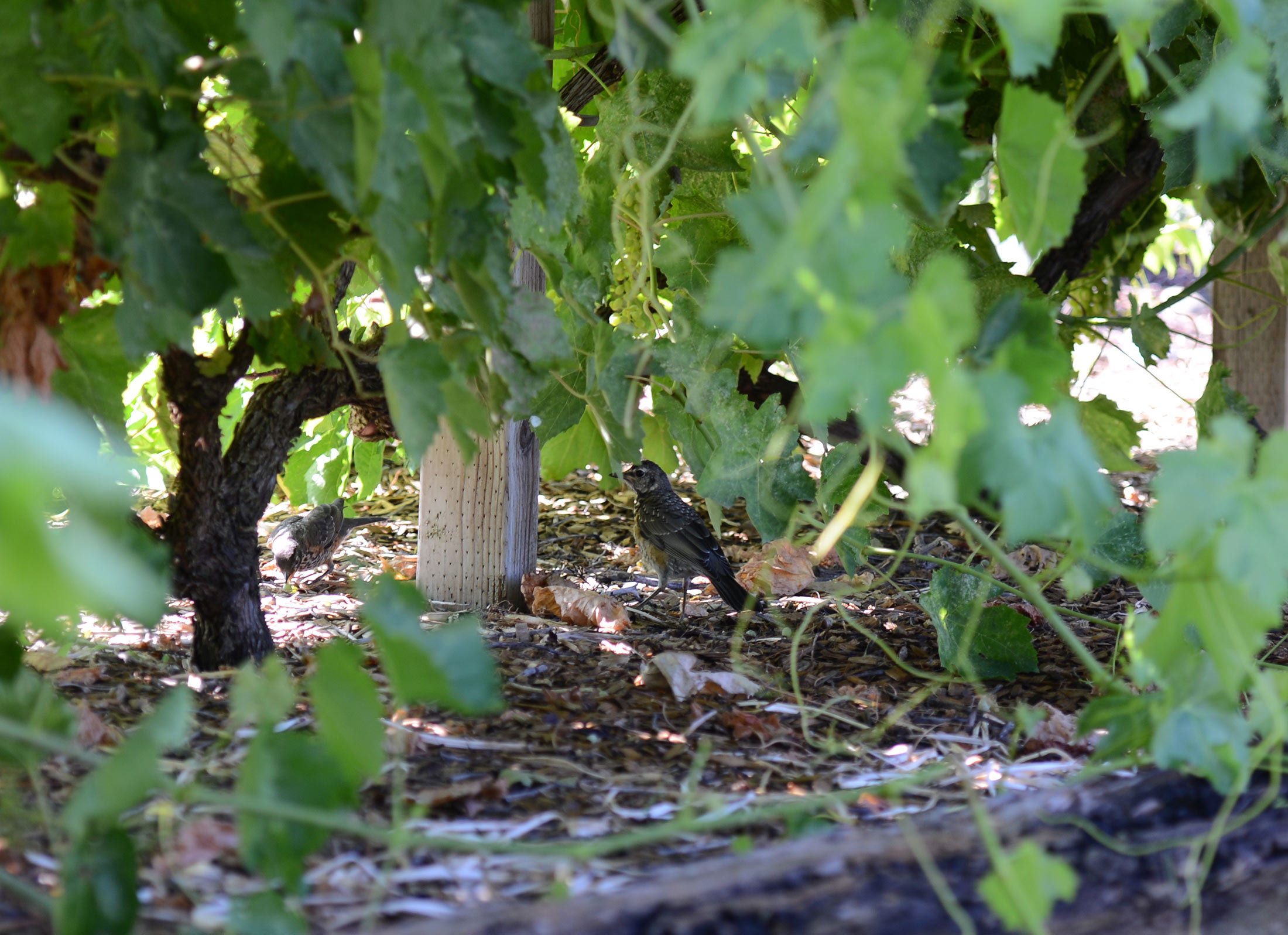
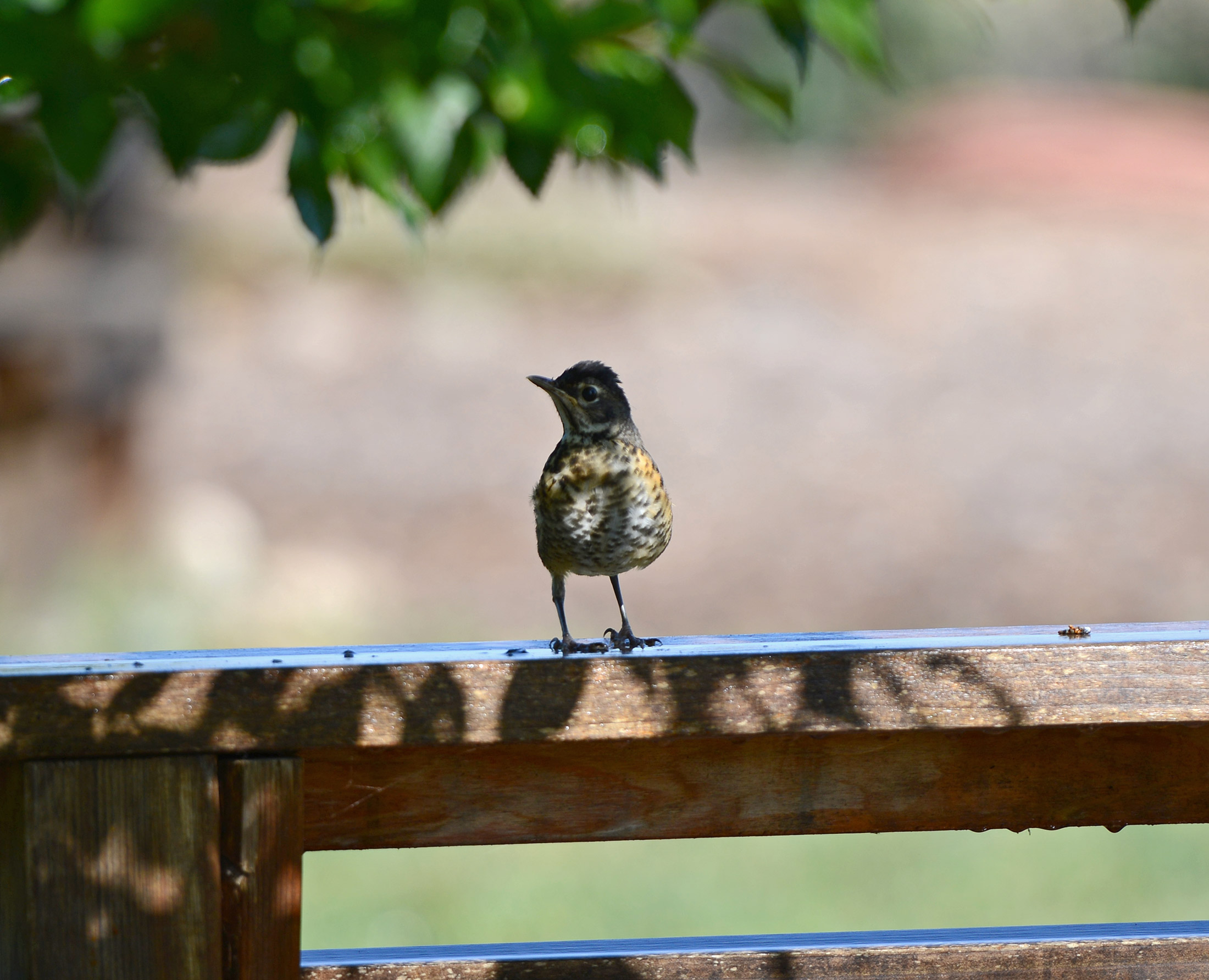
Finally, there are those that we unintentionally support in the garden. Bunnies, lizards, snakes and birds are welcome guests – as long as they keep a respectable distance or don’t eat more than their share. The birds – which have been knocking off the grapes and gobbling them up – may be pushing their luck this year.

Grapes_DSC_7226
Bird_Grapes_DSC_7228

They better watch out. I bet we can find some bird-dogs around here somewhere!

Kiss of the evening sun

Garden_DSC_5202

I arrived late to the garden on Saturday – after lending a hand with the dogs’ last evening run. Peggy had been out earlier in the day. She is a weeder-extraordinaire and her work was evident everywhere.

Sunflower_DSC_5240

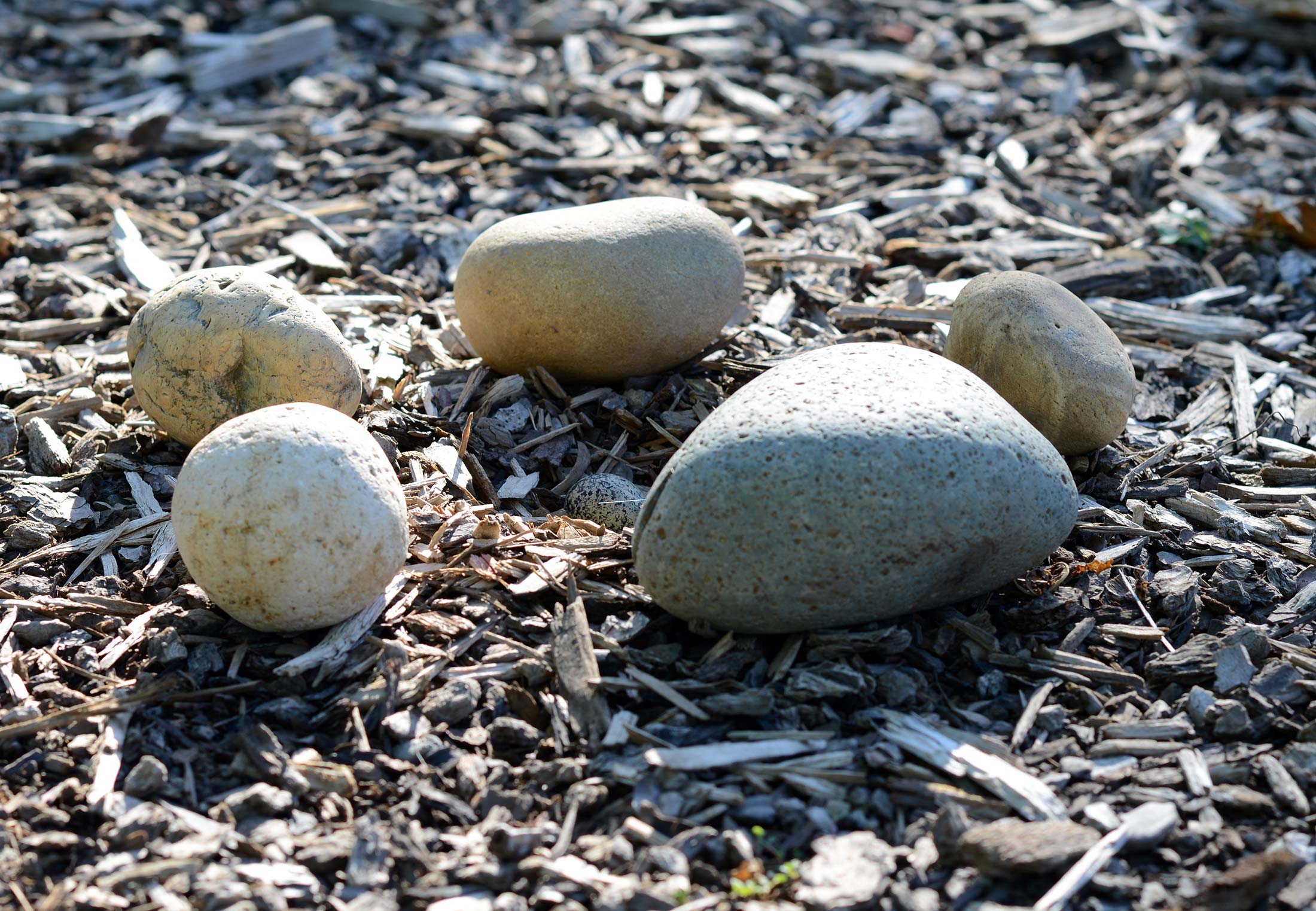
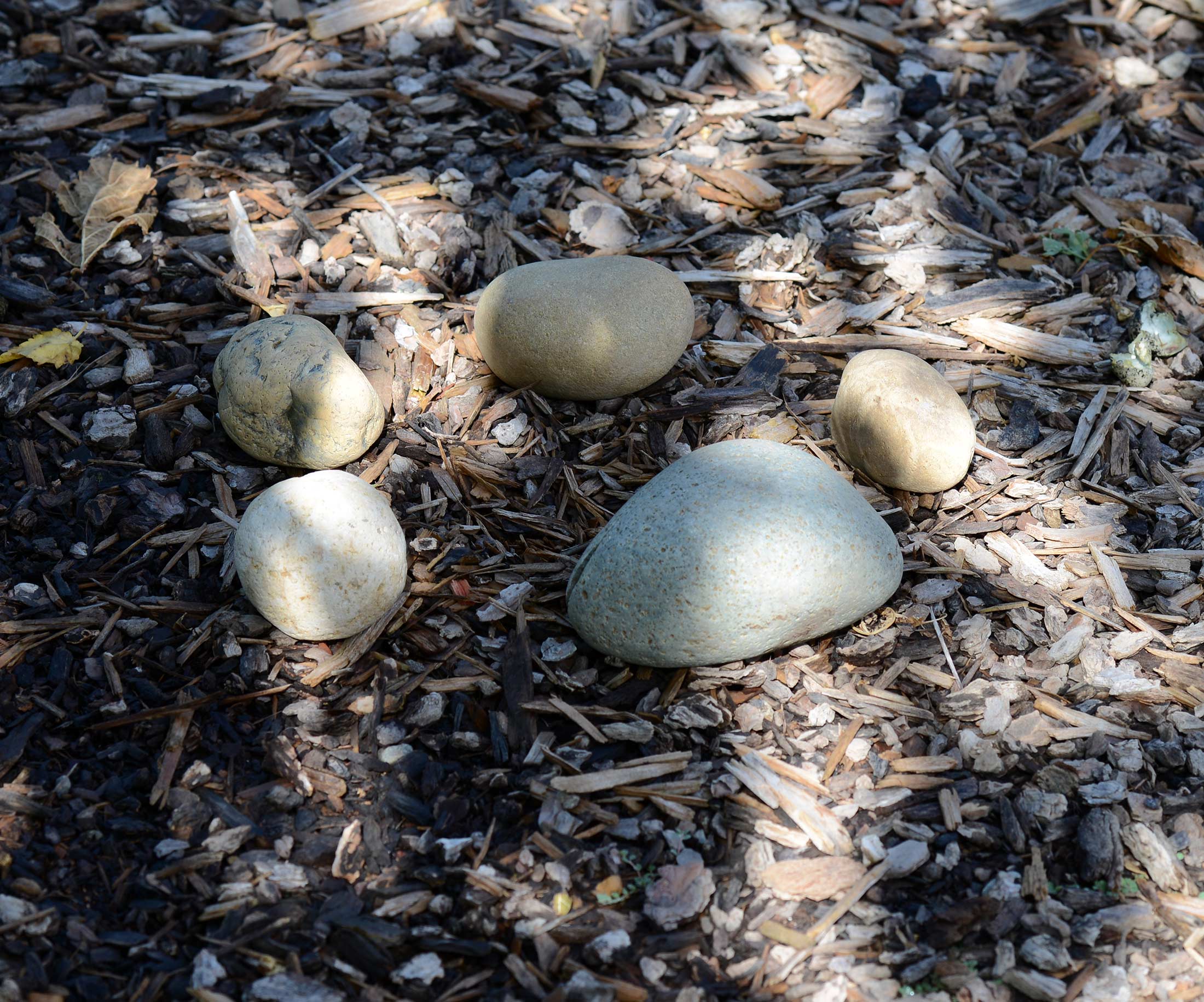
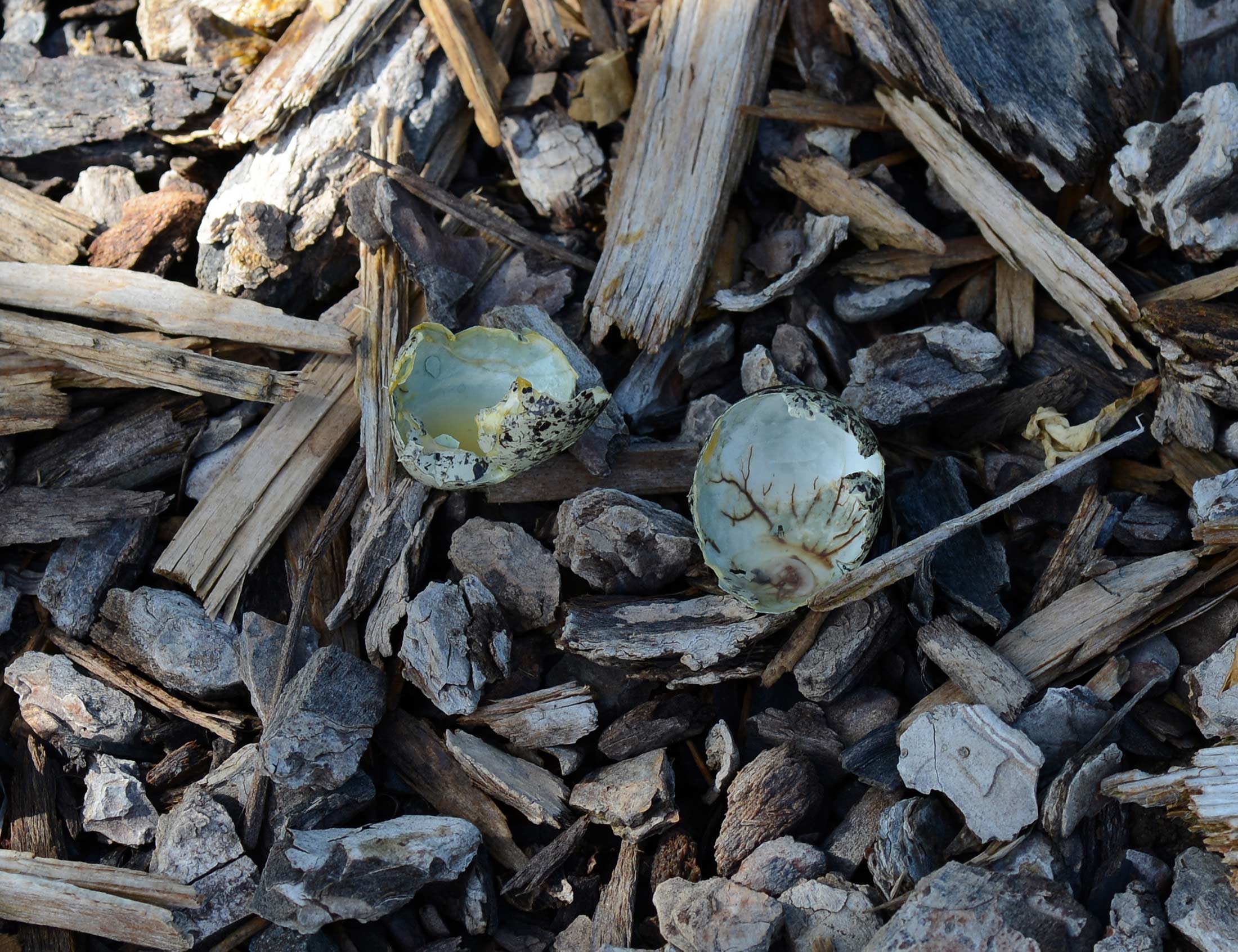
She happened upon a Killdeer egg. These silly birds have a nasty habit of leaving their eggs in the walk-on bark. The mama bird seeks camouflage – without consideration for the fact that this is a walking path. Peggy surrounded it with rocks to alert all.

Killdeer-Egg_DSC_5196

Evening is my favorite time in the garden. It is especially beautiful – and peaceful –

Garden_DSC_5226

as the sun lowers on the horizon and casts cool shadows after a day of baking sun.

Garden_DSC_5223

“The kiss of the sun for pardon,

Roses_DSC_5255

The song of the birds for mirth,

Bird_DSC_4371

One is nearer God’s heart in a garden

Bee-Balm_DSC_5184

Than anywhere else on earth.” ~ Dorothy Frances Gurney

Eve got a last walk through the garden. Blind – or nearly blind – and clearly a recent mom – she had been found wandering on the road. I wonder if this sweet girl knows how fortunate she is to have arrived here.

Eve_DSC_5168

By morning, Peggy’s noble effort had been undone by some predator.

Killdeer-Empty-Nest_DSC_5238
Killdeer-egg_DSC_5252

Luckily Mama had moved another to a safer hiding spot.

Killdeer-Egg_DSC_5199

Our work starts anew.

“If the world could remain within a frame like a painting on the wall, I think we’d see the beauty then and stand staring in awe.” ~ Conor Oberst

Amaranthus_DSC_5203
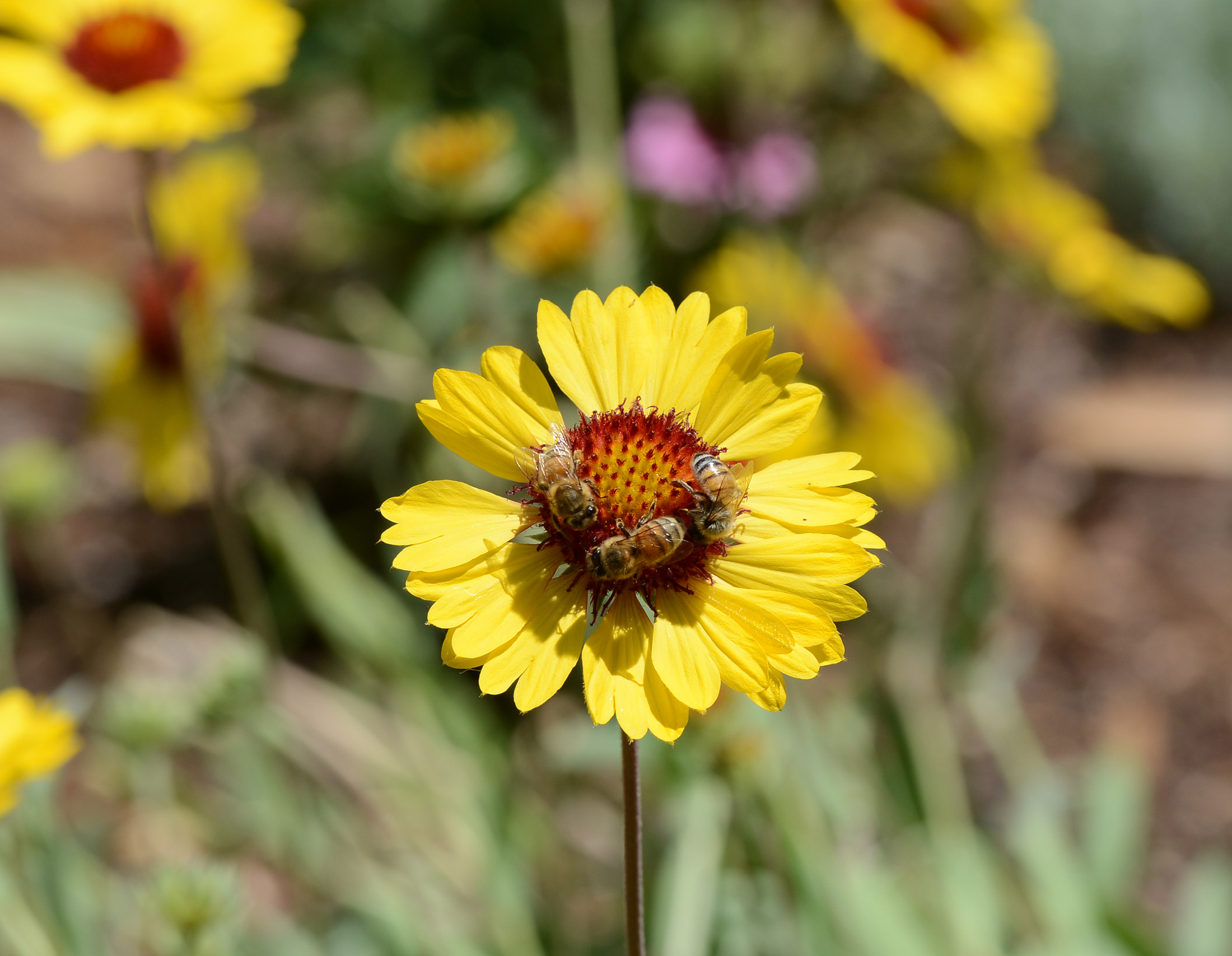
Gallardia_DSC_5211
Campanula_DSC_5186
Roses_DSC_5269

Summer’s Arrival

Goldenrod_DSC_4780

Summer is officially just around the corner – as the 100+ degree temperatures last weekend made clear. Deep, bold colors replace pastels in the garden –

Roses_DSC_4957
Zinnia_DSC_4941
BeeBalm_DSC_4790

sprigs become stalks.

Coneflower_DSC_4884
Rubekia_DSC_4822

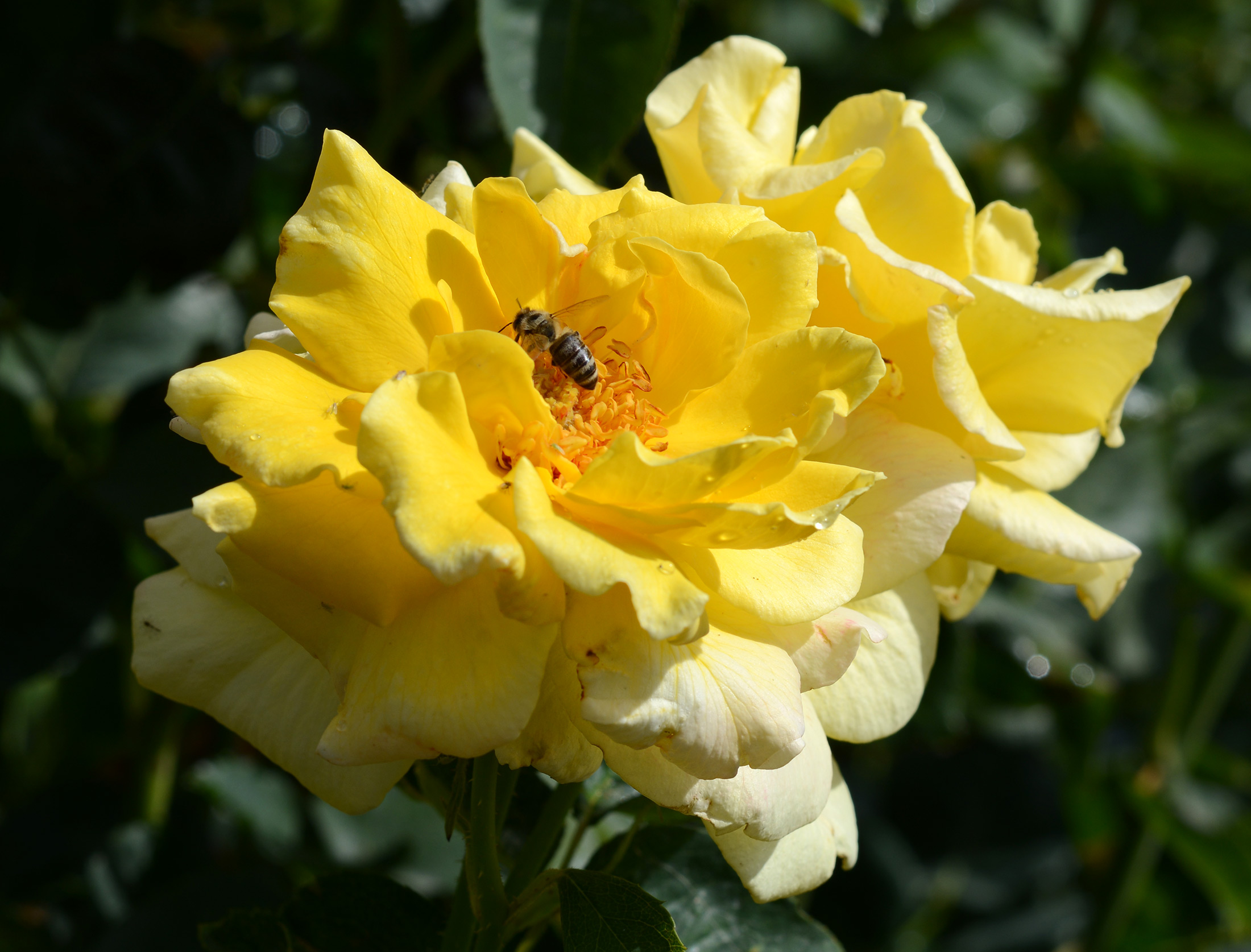
and the bees are so busy gathering that I can weed – or photograph – among them and barely be noticed.

Coneflower_DSC_4946
Yellow_Rose_DSC_4815

“Bees do have a smell, you know, and if they don’t they should, for their feet are dusted with spices from a million flowers.” ― Ray Bradbury, Dandelion Wine

Rose_DSC_4813

Last weekend was ridiculously hot. It happened on the same weekend last year. 105-108 in early June. Record breakers. But the early heat wave was followed by a much more temperate summer. Fingers crossed that we experience a repeat this year.

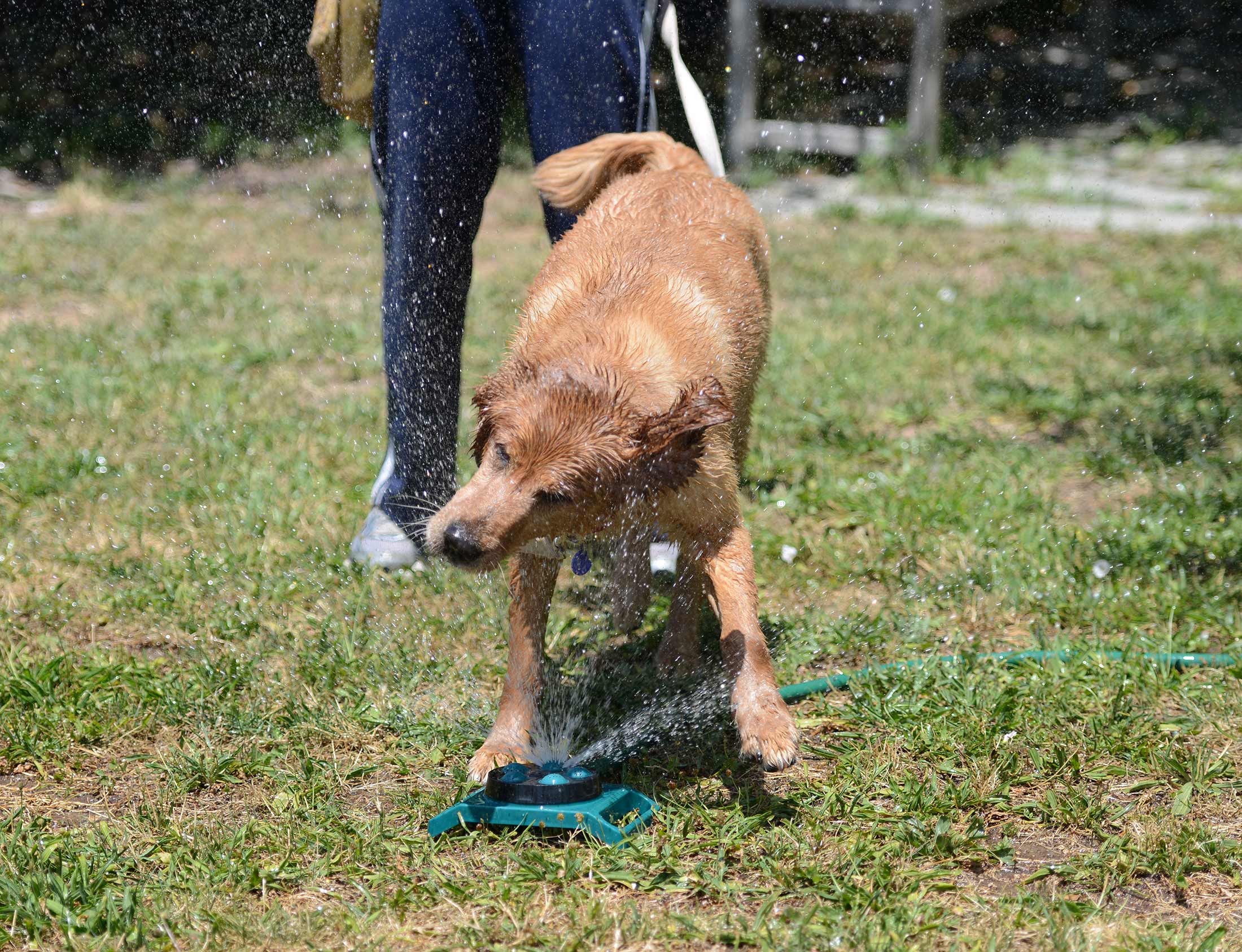
Wet_Dog_DSC_4540

While the heat did away with the last of the spring flowers, it did coax out blossoms on the Bee Balm, Agapanthus, Lantana and Rudbeckia…

BeeBalm_DSC_4873
Agapanthus_DSC_4883
Lantana_DSC_4800
Rudbekia_DSC_4933

Now all we need are the Sunflowers and Dahlias which are coming along.

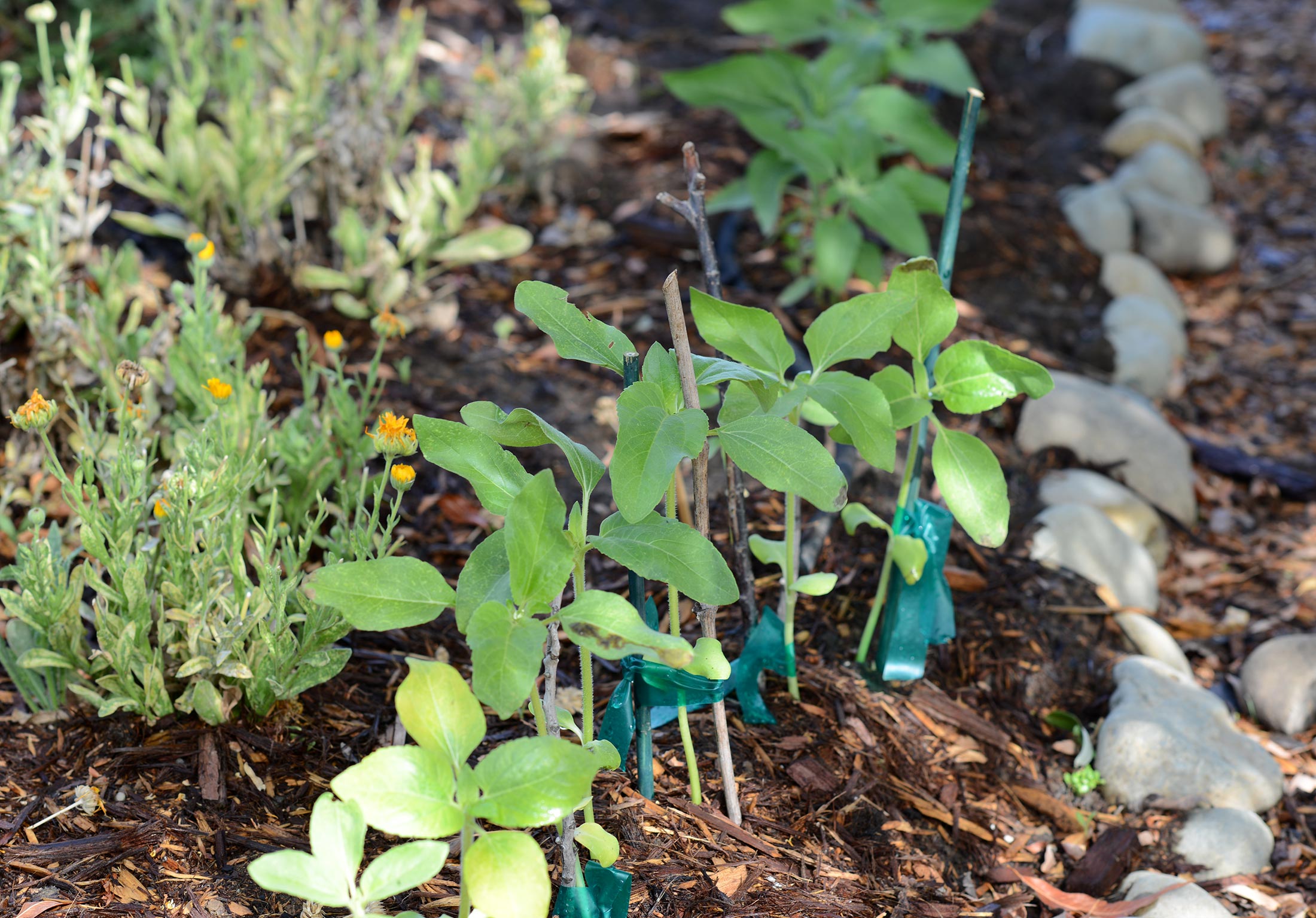
Sunflowers_DSC_4811
Dahlia_DSC_4937

Only a few of the Milkweed (Asclepias) – which was everywhere last year – have reappeared. Probably eaten by those nasty Cucumber beetles. I will need to replant from seedlings soon for our Monarch friends.

The dogs are clearly loving the cooler temperatures this week. This face greeted me early Saturday morning. Hello Milo!

Milo_Hello_DSC_4786

He and his friend Molly are one of three pairs we have recently received.

Molly_Milo_DSC_4860
Chip_Cookie_DSC_4928

These beautiful long coats feel much better in cool breezes!

Hef_DSC_4836

“Summer afternoon—summer afternoon; to me those have always been the two most beautiful words in the English language.” ― Henry James

Yarrow_DSC_4819

Cheers to the arrival of summer!