Do The Waggle Dance

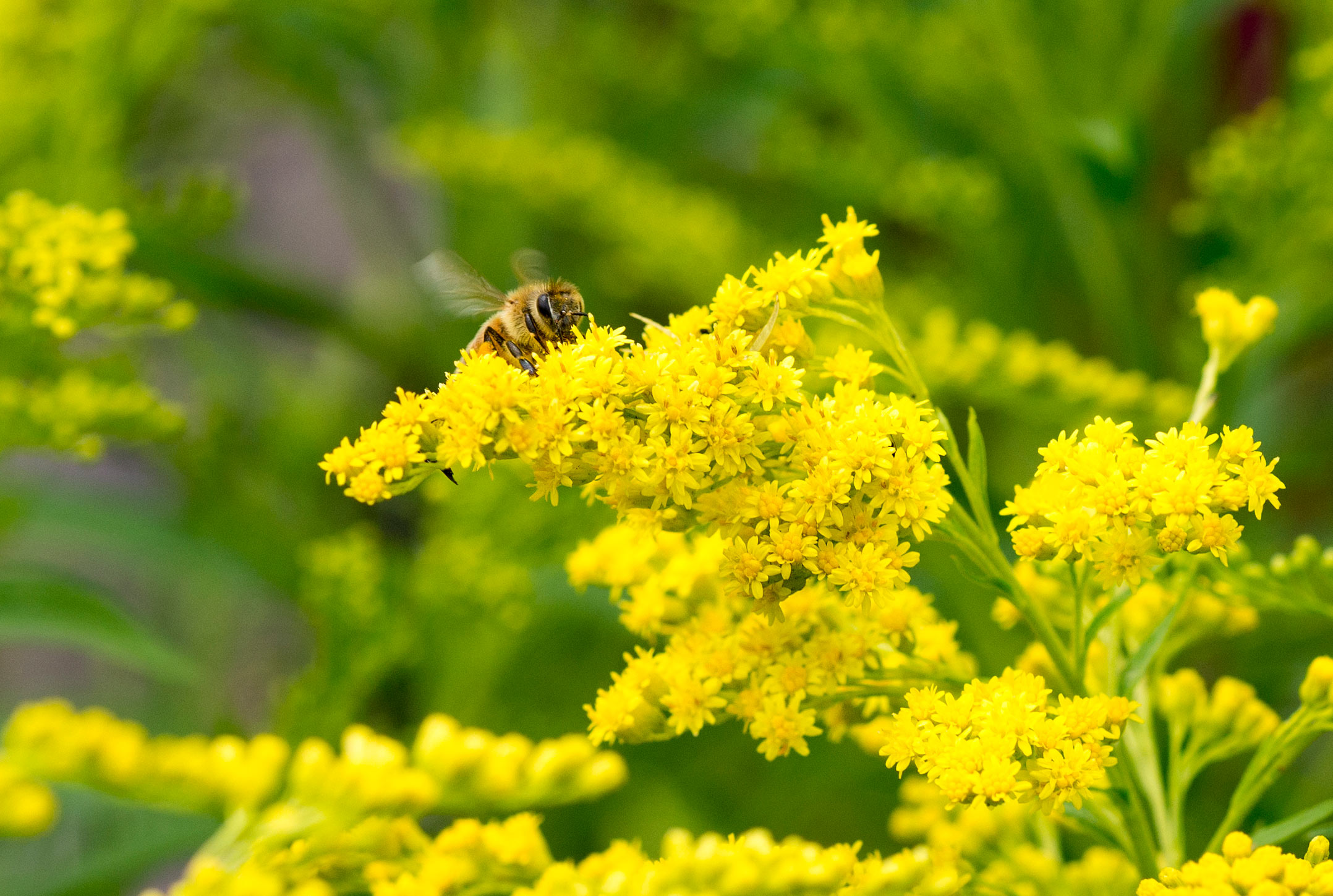
Bee_Goldenrod_DSC_8260

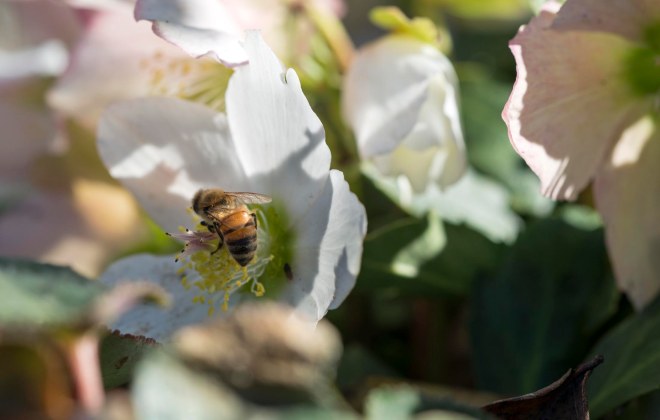
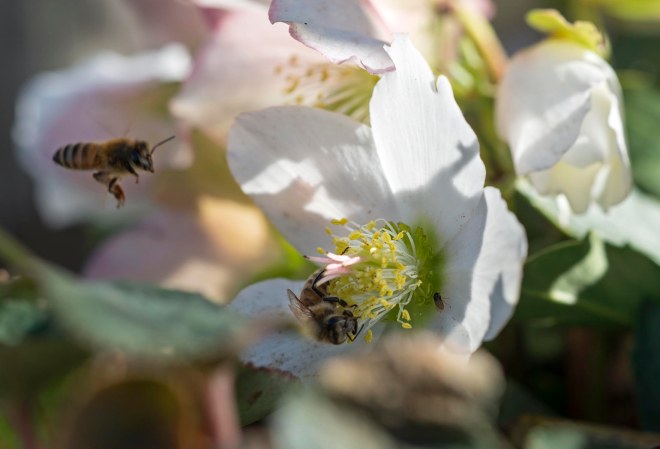
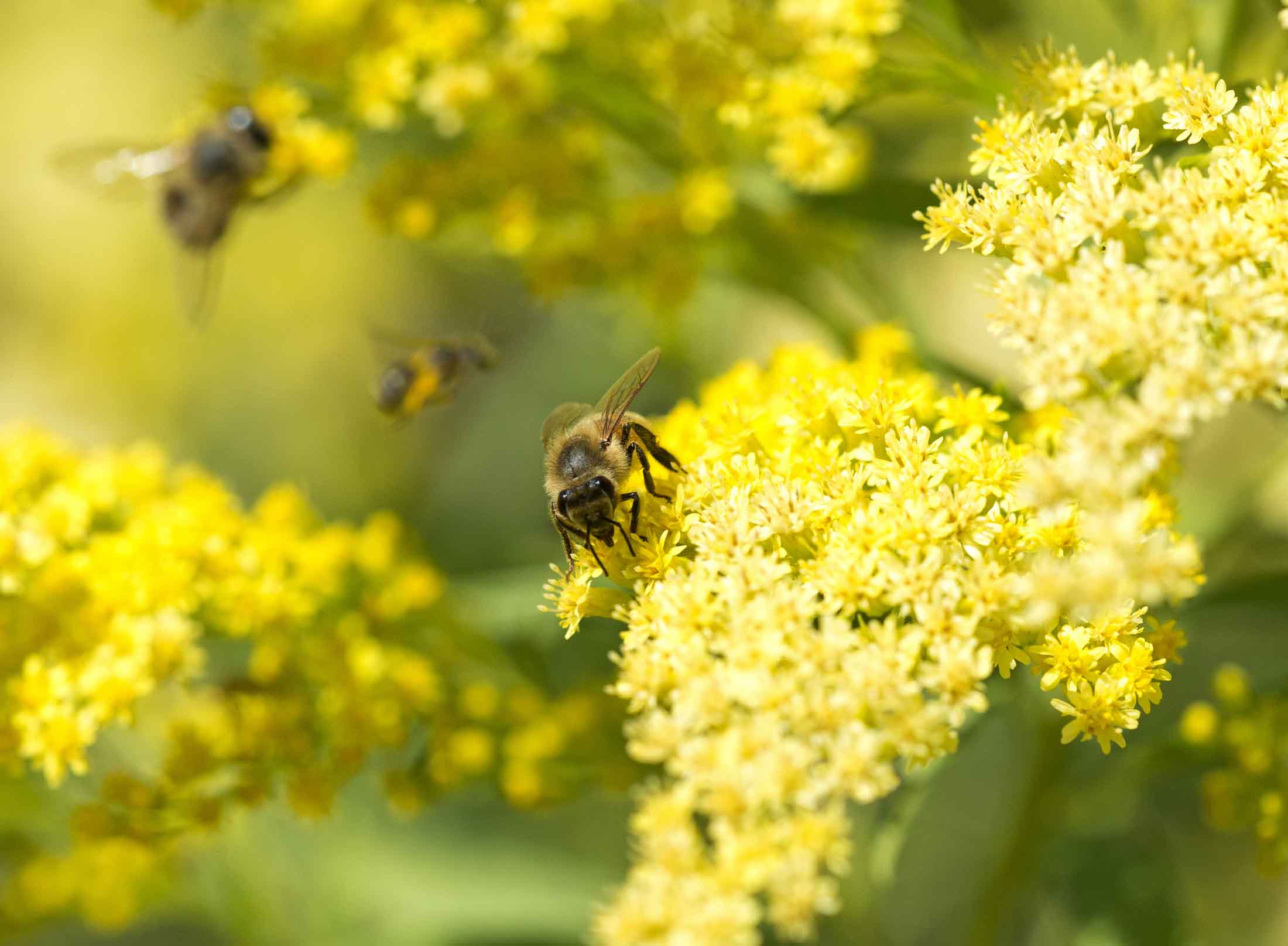
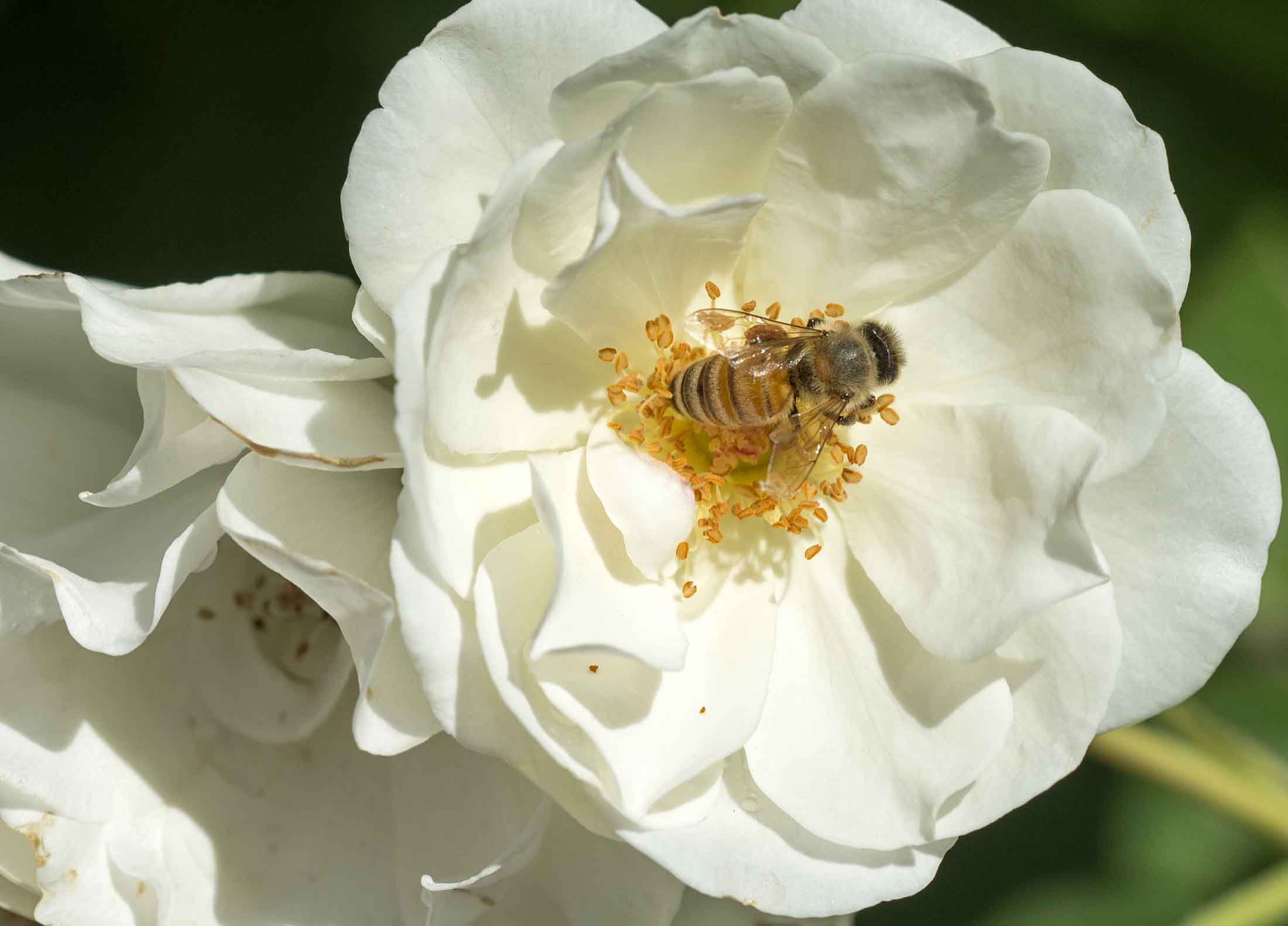
Honey bees are social insects. They live communally and depend on each other for their very existence. Everyone has a role, and when these tiny toilers pull together, amazing things get done. An entire colony is built and fed; the young are cared for; everyone has a home.

Bees_Coneflower_DSC_8341
Bees_Coneflower_Detail_DSC_8341

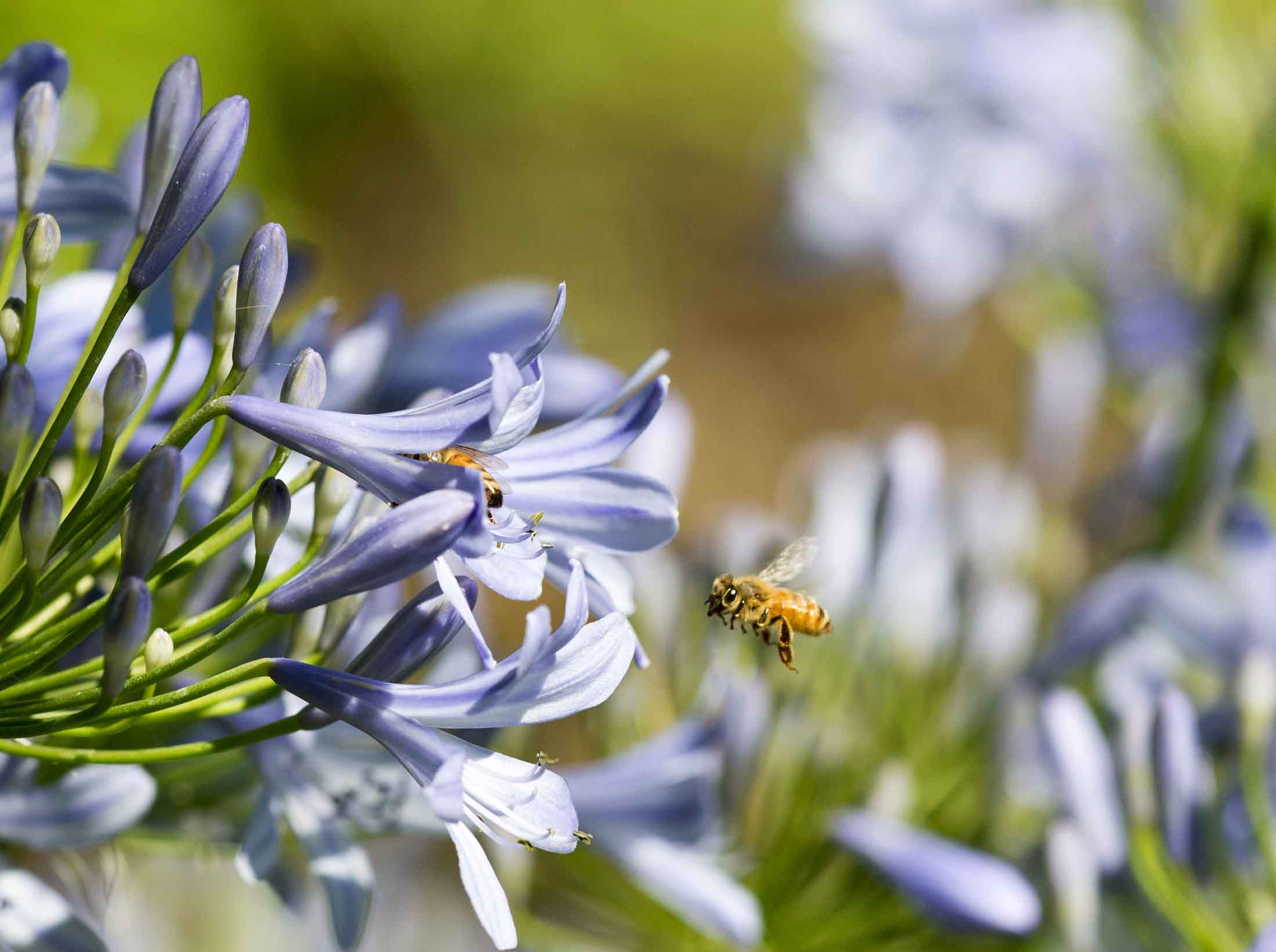
To succeed, they need to communicate. They share vital information about food sources by performing a dance when they return to the hive. The “waggle dance” indicates that food is far away, while a “round dance” signals a shorter flight and quick payoff. The more vigorous the dance, the better the food – which means success for everyone.
Bee_Agapanthus_DSC_8274

Rescue works like this. It’s generally not mugshots or desperate pleas posted to websites or social media that gets displaced animals to new homes. It is the communication between people and our communal network. Of course, the photos and stories are important. Great photos create that first connection. And since dogs can’t write, we have to tell their stories for them. But the exchange of information – one person reaching out to another – is how we build a strong network (our hive) and truly connect people to animals in need.

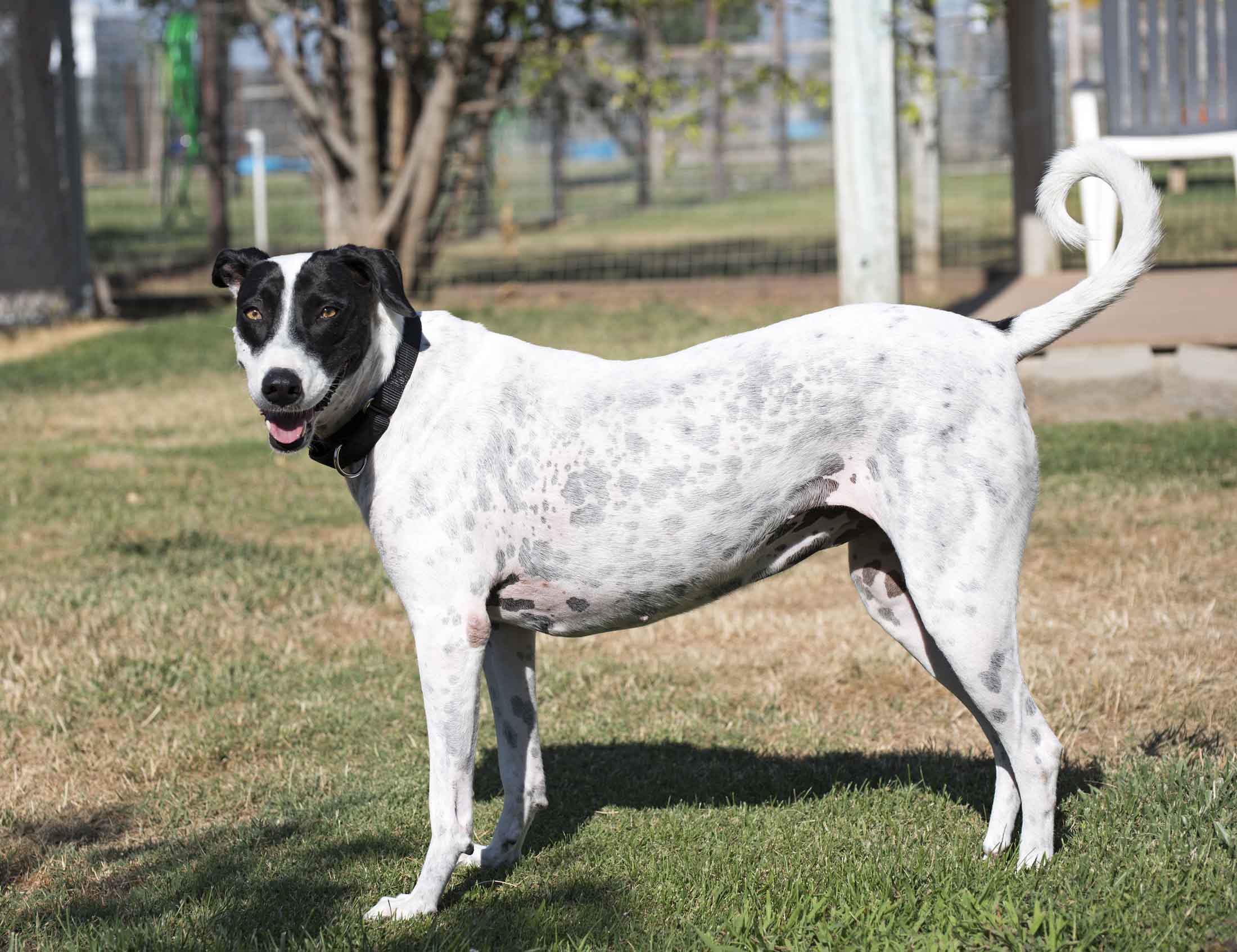
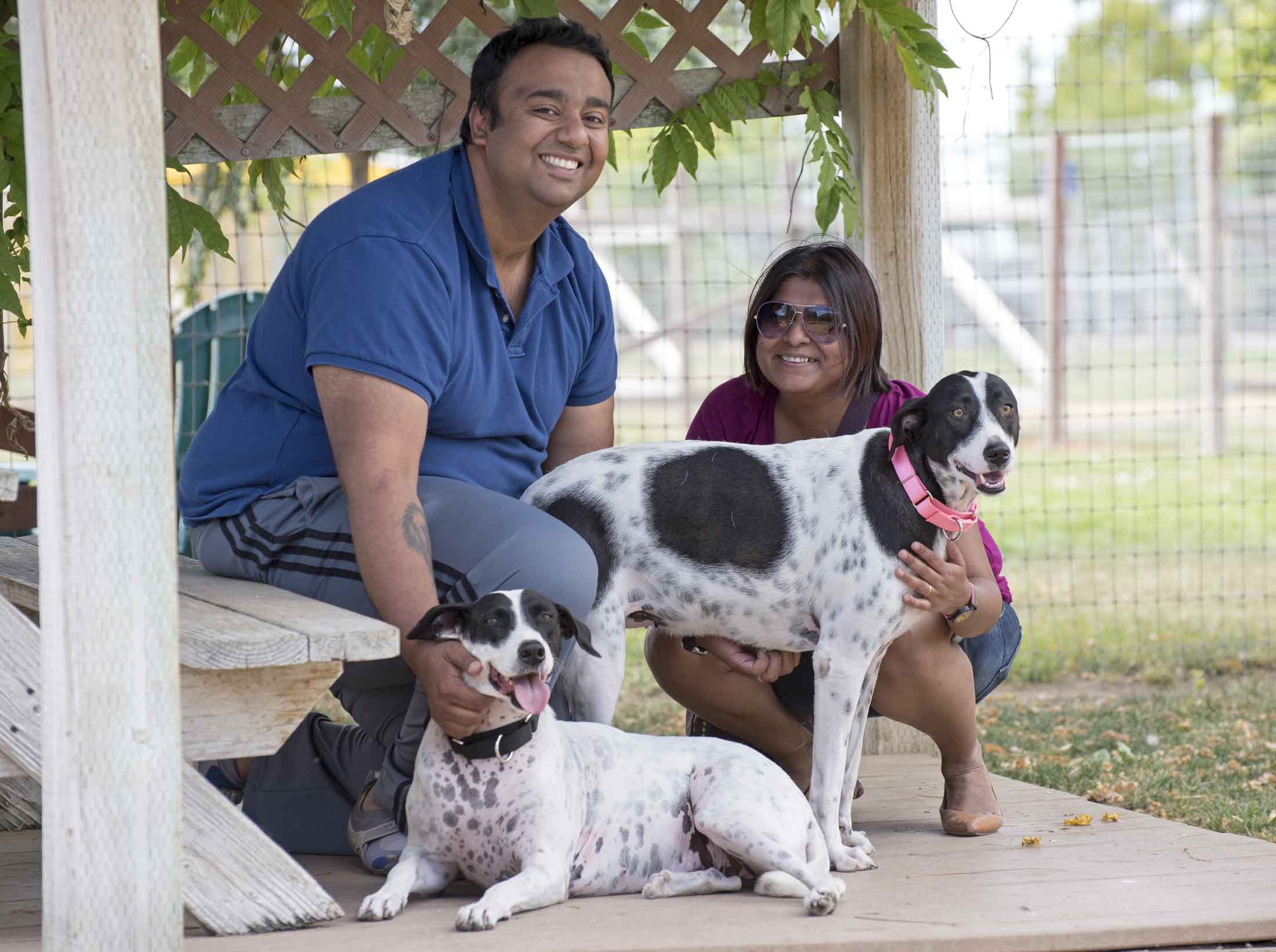
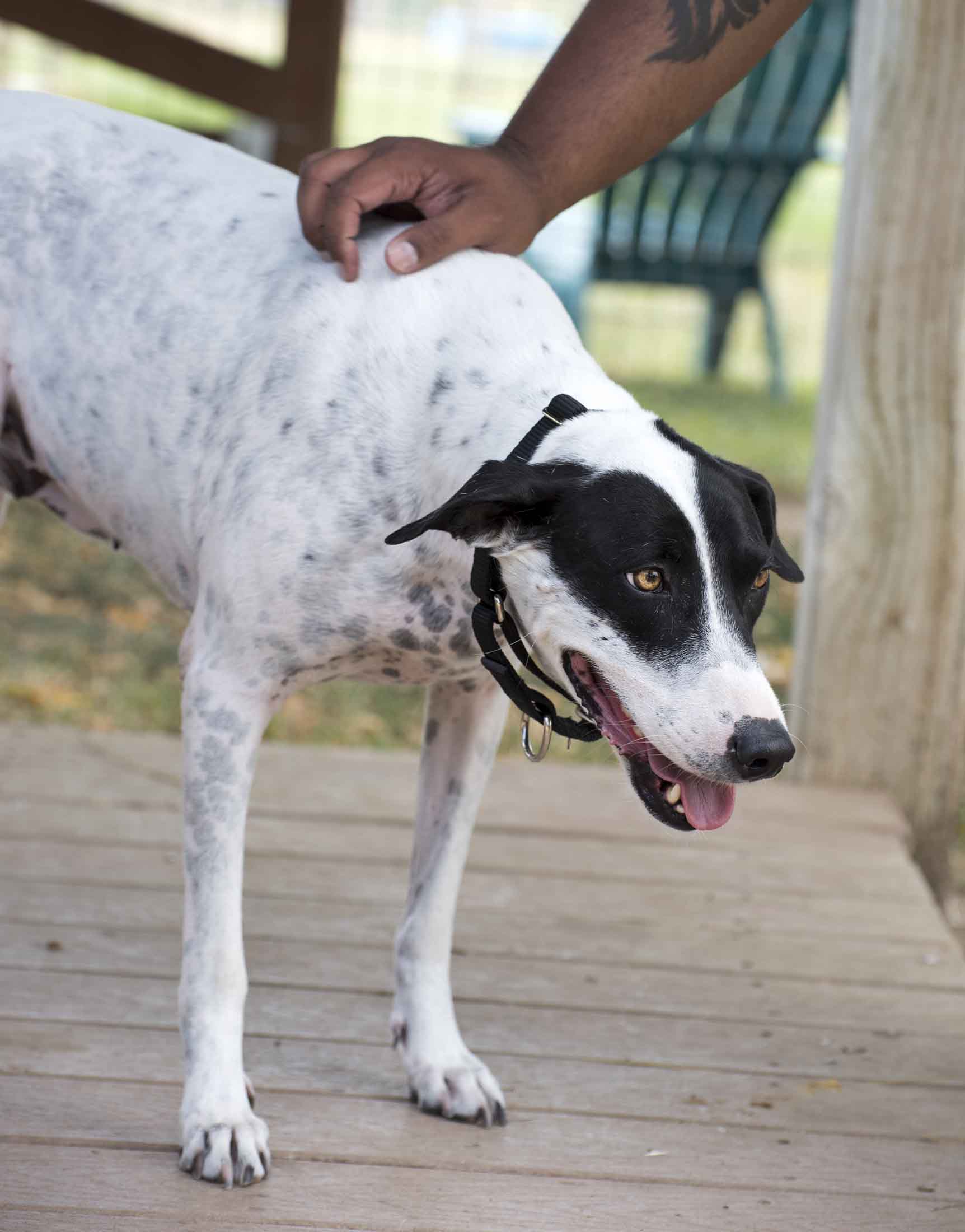
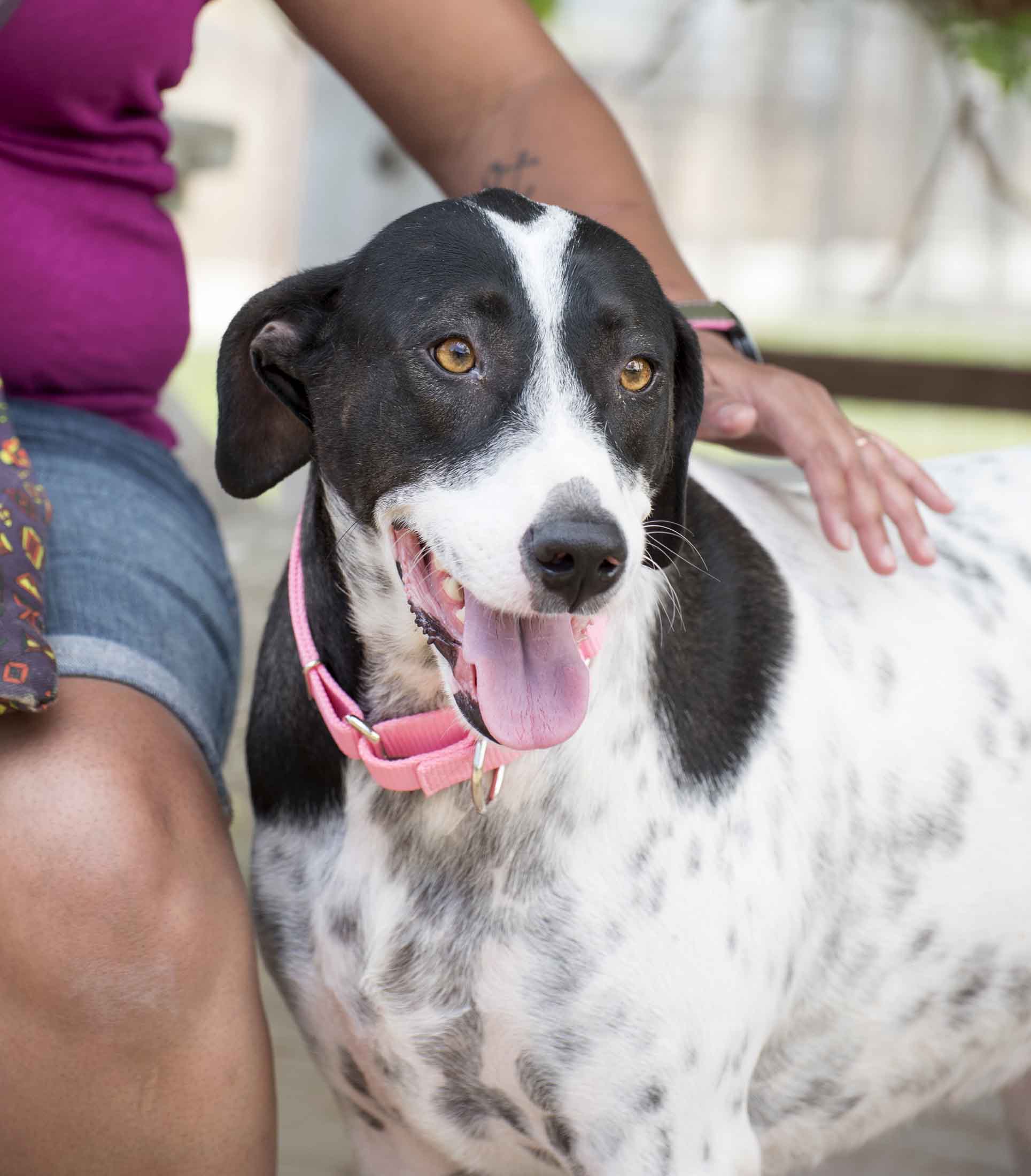
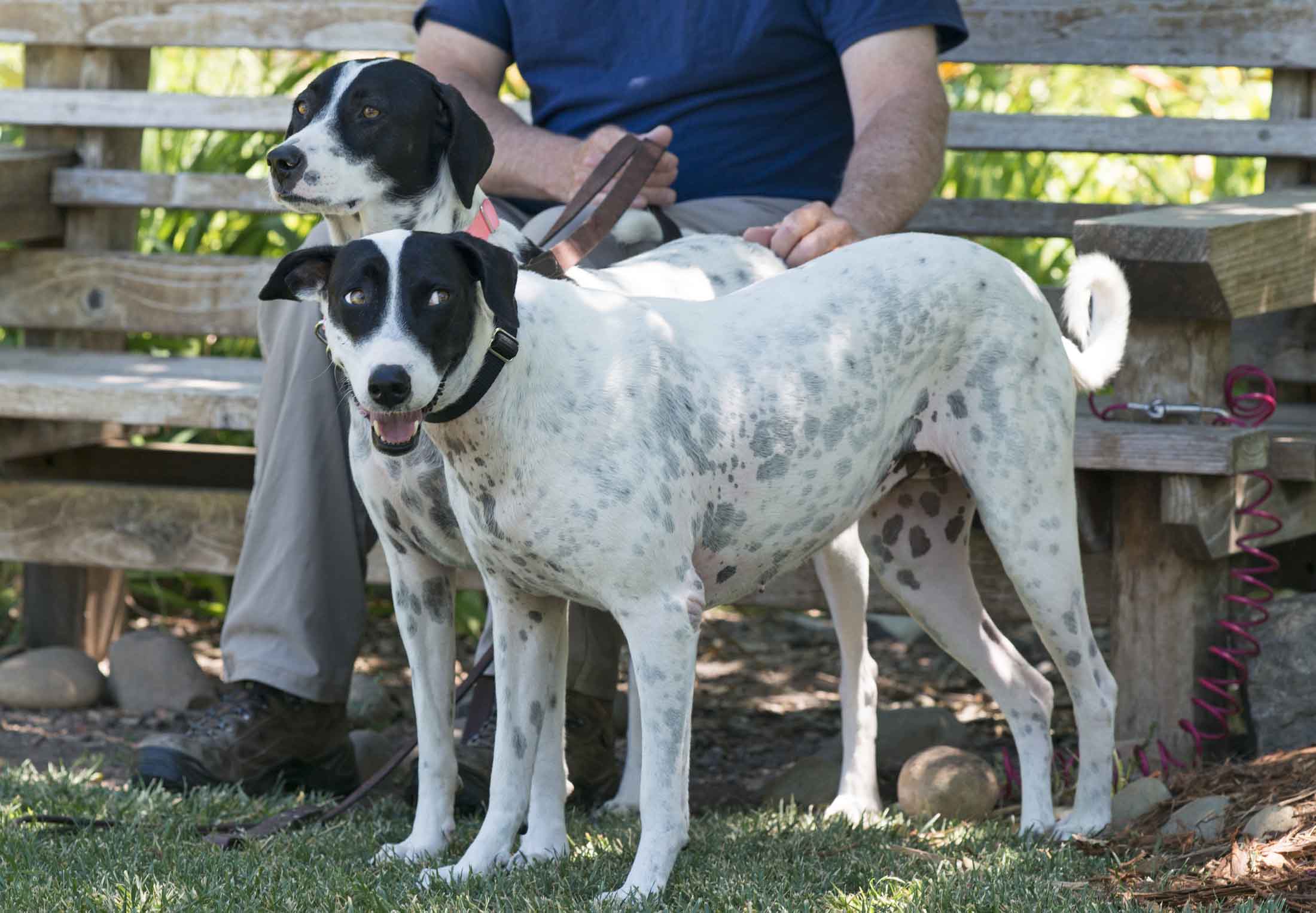
Case in point: Lilly & Lucy’s story was shared hundreds of times across social media. But it was a long-time volunteer who knew that a neighbor had been looking for a bonded pair of dogs that may have made the difference for our two Pakistani girls. This weekend, the family drove hours through thick traffic and scorching heat to meet the dogs. We are very hopeful that it is a match.
Lilly_Lucy_DSC_8107

Faith and Hope’s story was also viewed extensively. But it was a connection made between friends that may spell hope for Faith. One friend knew that the other had recently lost her dog at age 18 and was looking for a pup that could fit comfortably into her menagerie. We’ll know this week when they meet.

Faith_DSC_8185

Our paws are crossed for all three because someone made the very human connection.

Everyone can play a role in rescue – but posting sad pictures of animals in distant shelters to a rescue’s social media channels doesn’t get it done. It is in doing the dance and making very personal connections right where you live.

You don’t need to travel too far from the hive. If you can’t volunteer your physical self, familiarize yourself with a local rescue or shelter’s animals and process. Then, become the crazy dog/cat/whatever person that everyone knows at work, church, or in your neighborhood. Talk to people about responsible breeders, training, spay and neuter. Learn about their animals, companionship needs, and when their heart and home might be ready for another. And then connect the dots. Do the waggle dance. Spread the word. Extend the community. Communicate.

That is how rescue works. One person – and one animal at a time.
Bee_White Rose_DSC_8319

The Long Way Home

Bee_Detail_DSC_7700

Typically, a bee will travel about two miles in search of food. When nectar or pollen is scarce, the journey can extend two to three times as far. To a tiny bee, that is a great distance flight and a long, exhausting way home to the hive.

Bees_Lavender_DSC_7691

For the first part of their lives, “home” for Lilly and Lucy was the streets of Pakistan. Scavenging, starving, relying on the mercy of strangers and garbage scraps.

Lucy_Full

Home for Erika and Gwen is the United States. But as Foreign Service gypsies, their current home is Pakistan. They have traveled the world to often dangerous places: Haiti, Iraq, Afghanistan, Russia, and more. The locals can be hostile, and, as auditors, they are not exactly welcomed by their peers, either. It’s a lonely and isolating life filled with security alerts and lockdowns, but they find the work fulfilling as their purpose is to ensure that foreign aid gets to those most in need. With frequent reassignments, they try not to make attachments. But when Lilly and Lucy crossed their paths, they simply failed to look away.

Lilly_2_Full

Lilly was one at the time, half-starved and missing a back paw. Lucy was an eight-month-old bag of bones, staying by the side of her mother and her latest litter of puppies. Erika and Gwen took them in, nursed them back to health, and they found a new home together. The two became inseparable.

Lucy and Lilly_Full

When both Erika and Gwen learned they would be redeployed to new posts and tiny apartments without the benefit of yards, the panic set in. Against all good sense, they had fallen firmly in love with these dogs, now three and four, and there was no way they were abandoning them. The expat community is large and, like the military, they do their best to have each other’s backs. Erika and Gwen explored every avenue but were quickly running out of options.

A distant connection and recent adopter suggested Homeward Bound. As difficult as it would be to give the girls up, they knew that a permanent home was what they needed and deserved. They reached out to us, hoping that, if their dogs couldn’t pass for Goldens, they might find some golden hearts among us. Of course, we said “yes,” which is how Lilly and Lucy began the longest way “home.”

I wrote about them for the rescue to begin to get the word out.

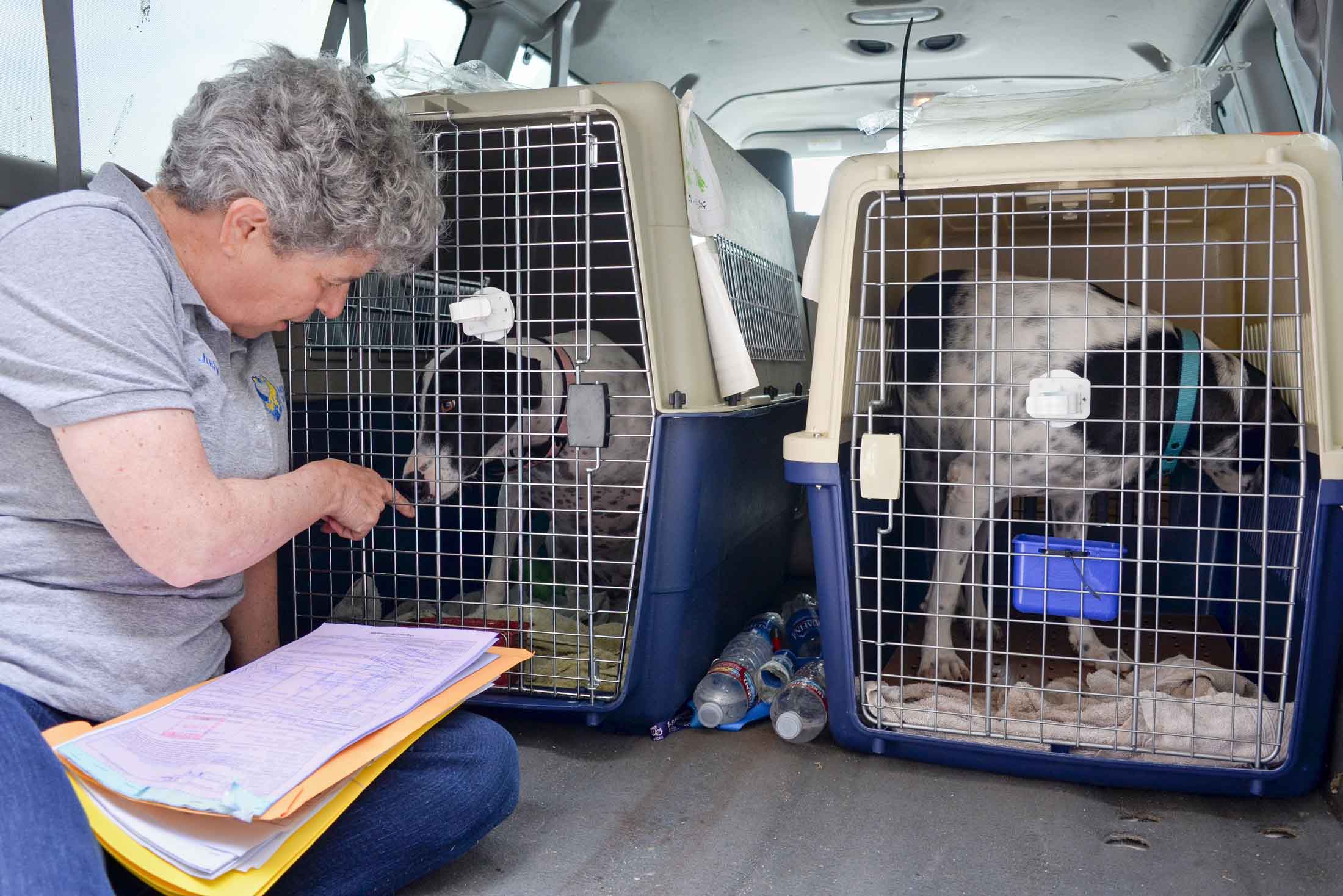
On Thursday, after two days’ journey across one-third of the globe, Lilly and Lucy arrived in San Francisco where Judy, one of our transport team members, and I met them.

Lilly_Lucy_DSC_0136

Tired and confused, it took almost three hours to get them off the plane and out of customs. They still had to endure the long crawl through rush hour traffic back to the Sacramento Valley. It was nearly dark when we got back to the rescue, a twelve hour day.

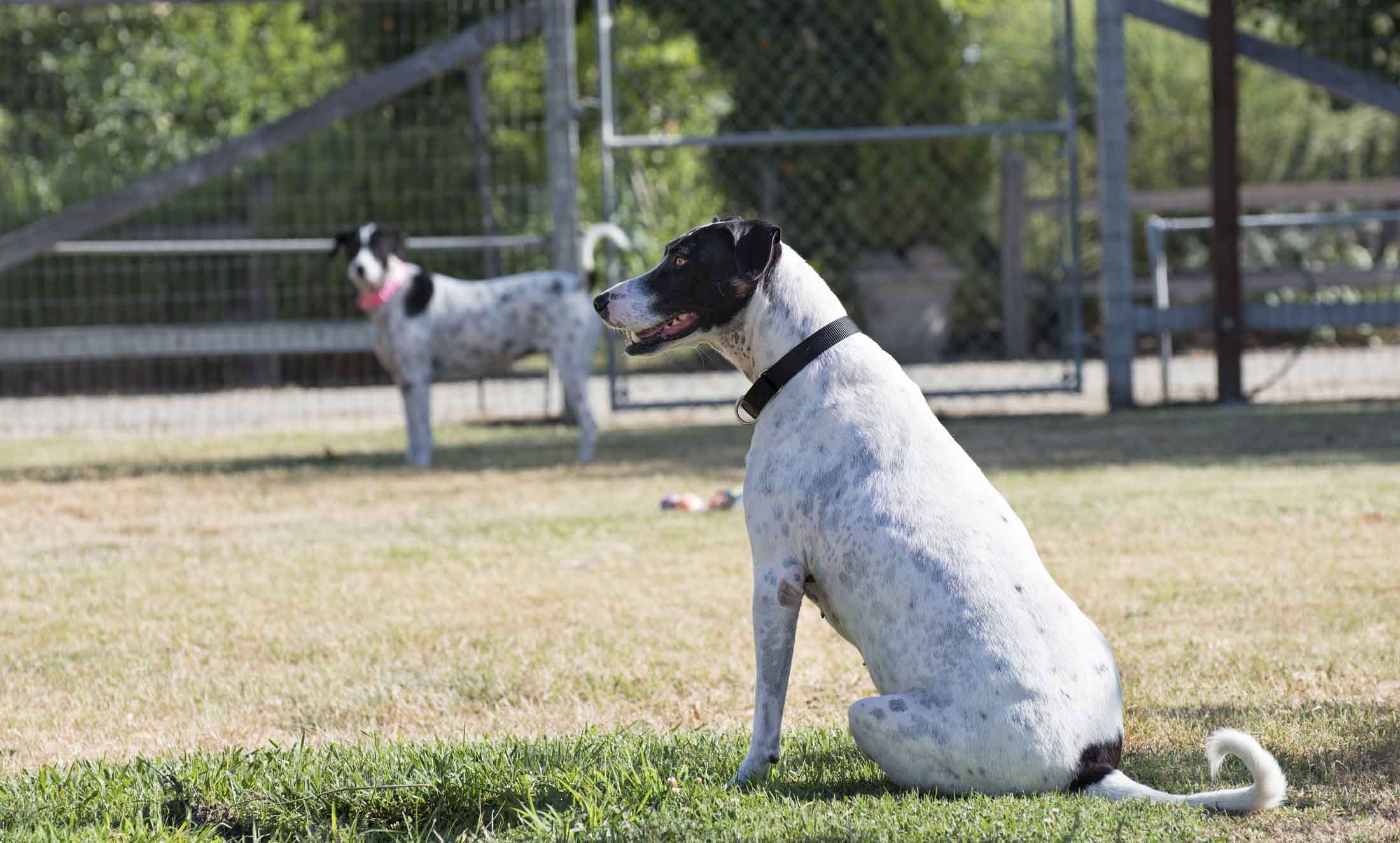
We let them out of the van and took them to the Park, where they ran – and ran – and ran.

Lilly_Lucy_DSC_0150

I don’t think they had experienced that much open space since their days in the streets. Exhausted, we gave them dinner and put them to bed – together.

They have adjusted well,

Lilly_Lucy_DSC_6087

enjoying the open country space,

Lilly_Lucy_DSC_6137

their feeders and dog walkers,

Lilly_DSC_6157Lucy_DSC_6151

and their visitors: the couple that connected them to us.

Lilly_Lucy_DSC_6197

For Erika, Gwen, Lilly and Lucy, it has been a very long and stressful journey. There is one more to go. After we have a chance to spend some time with the dogs and gain a full understanding of their needs, we will help them to find their most important home: their forever home.
Lilly_DSC_6224
Lucy_DSC_6215

White-Faced Ibis

Rice Field_DSC_1458

With the Sierras above us still capped with El Nino’s snowfall, the rice growers have flooded and planted most of their fields this year – turning Homeward Bound into lakefront property for a few months. The more than 500,000 acres of the valley’s rice lands are located along the Pacific Flyway, and the flooded fields provide critical migration corridors for shoreline birds and others.

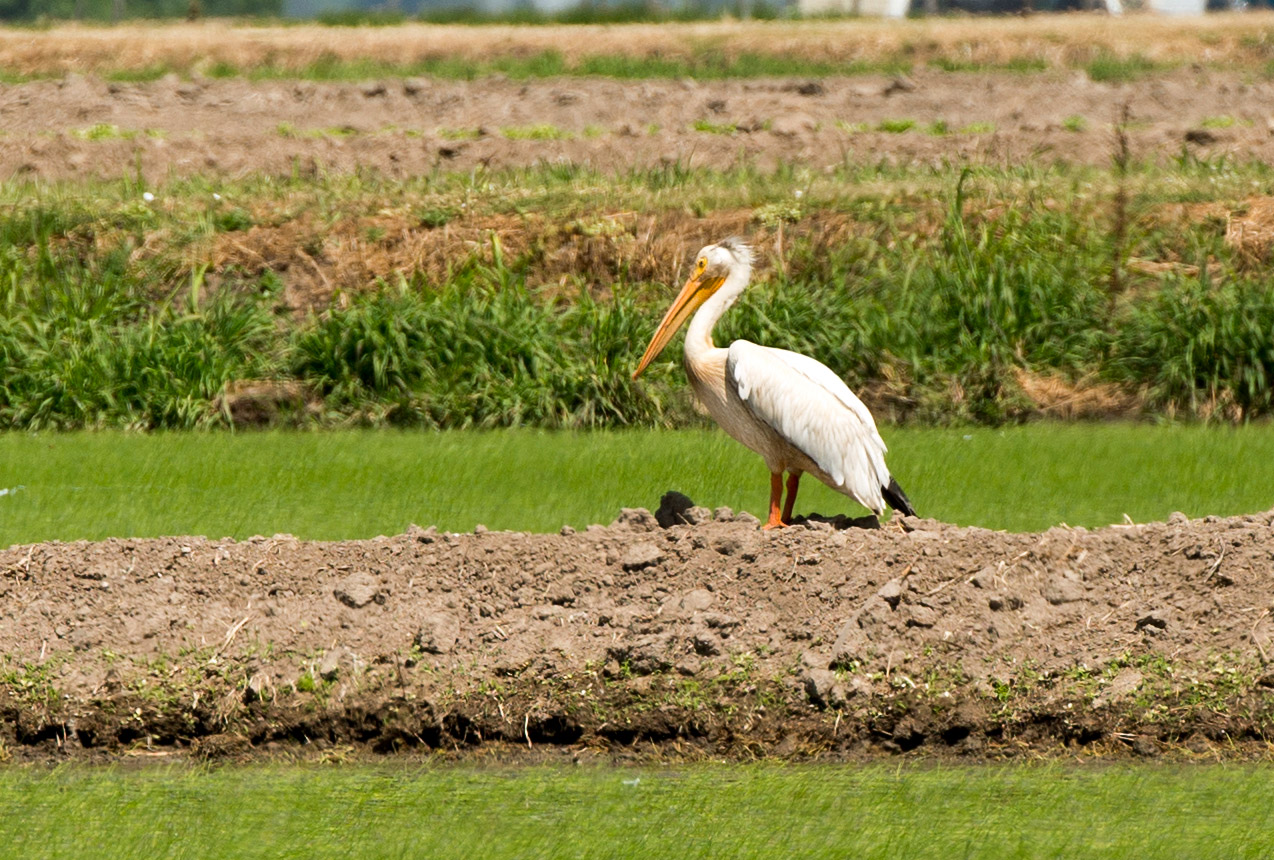
Pelican_DSC_7171

Looking out from the garden, I saw this long dark line of what looked like turkeys pecking at the marshy field.

Ibis_Rice Field_DSC_7193

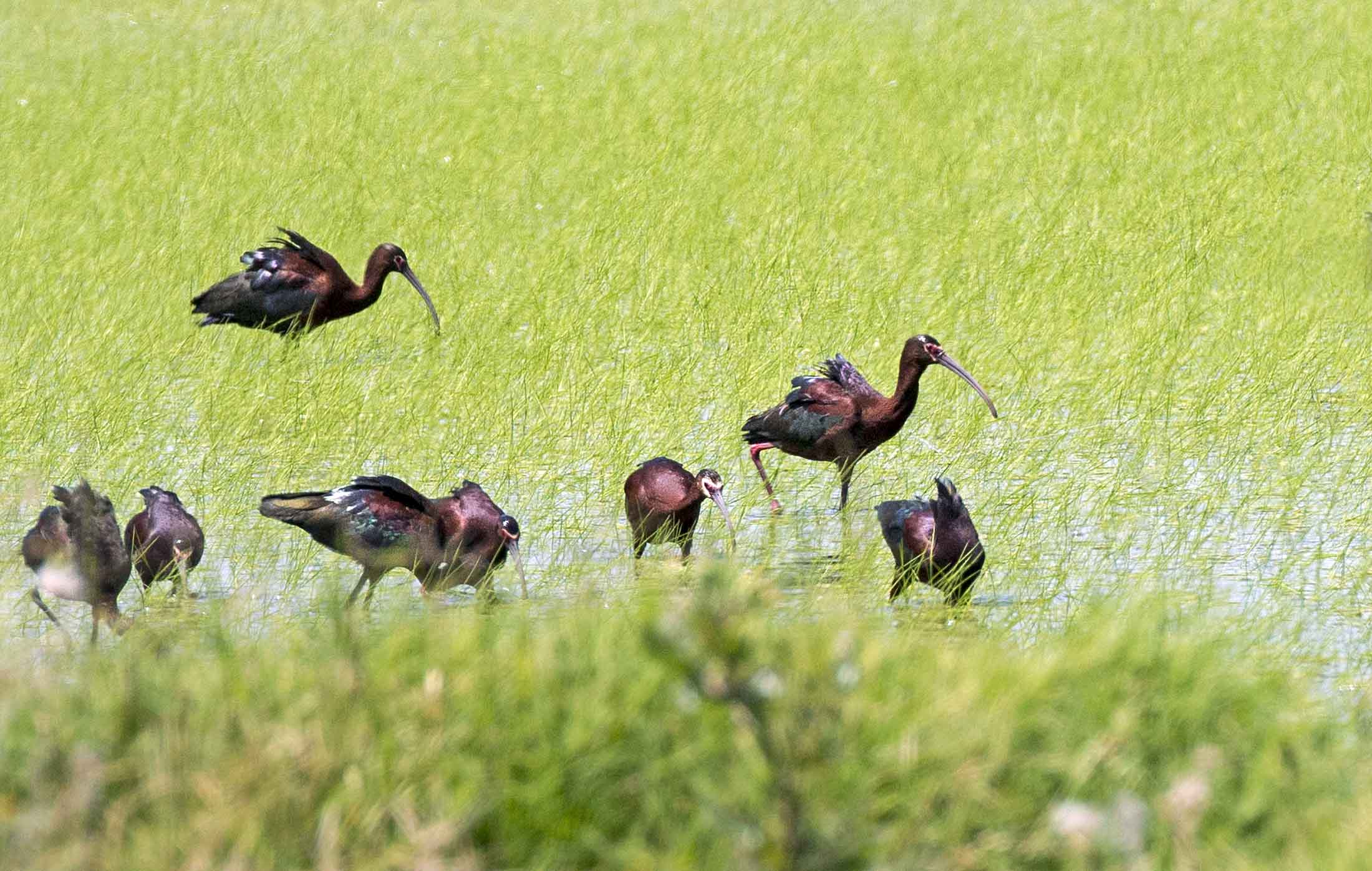
Sadly, I did not have my long lens (naturally!), but I could get close enough to ID them as White-faced Ibis – a bird I had not seen in the fields before.

White_Faced_Ibis_DSC_7231

Apparently, their numbers declined dangerously in the 60’s and 70’s due to DDT contamination and habitat destruction. The inland population has rebounded somewhat in the past few decades, but the pesticides used in rice farming are still a concern.

These dark birds with their long bills and metallic coloring wade through the fields picking their way through shallow waters looking for a meal: invertebrates, crustaceans, frogs, and fishes.

Ibis_Rice Field_DSC_7249

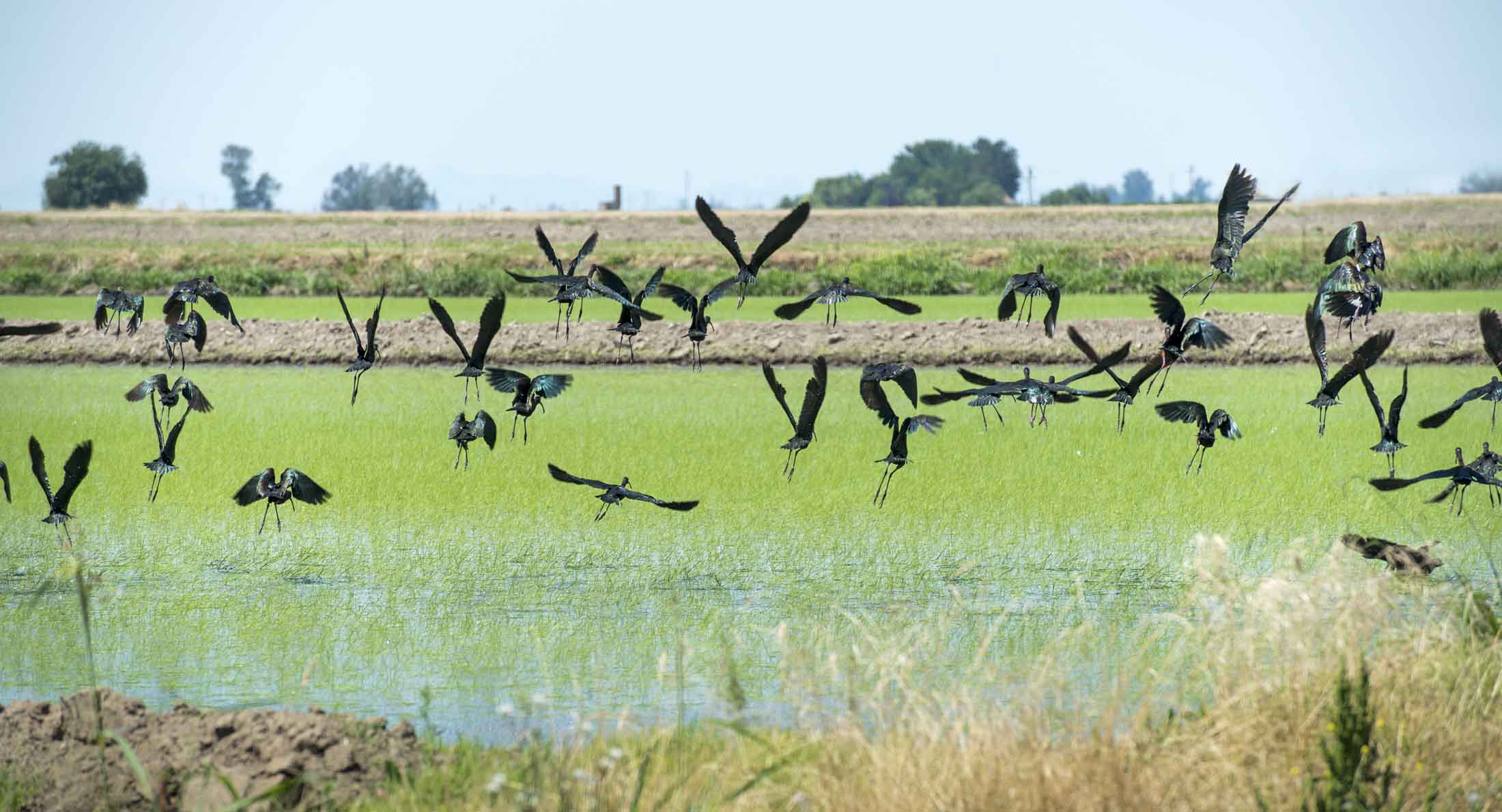
Until, you spook them, of course!

Ibis_DSC_7250
Ibis_DSC_7252
Ibis_DSC_7276

Bing’s Cinderella Hour

Roses_Evening_DSC_6848

As the summer heat sets in, I prefer to work the garden in the early evening whenever possible.

Garden_Evening_DSC_6853

The Delta Breeze blows lightly to cool the valley, and the setting sun saturates color and creates little jewels through the lens.

DayLily_Evening_DSC_6852
Garden_Evening_DSC_6836
“The pale stars were sliding into their places. The whispering of the leaves was almost hushed. All about them it was still and shadowy and sweet. It was that wonderful moment when, for lack of a visible horizon, the not yet darkened world seems infinitely greater—a moment when anything can happen, anything be believed in.” ~ Olivia Howard Dunbar, The Shell of Sense

Unlike the morning which is always chaotic – the gardeners and the dogs racing against the sun and the heat of the day – the evening is productive but blessedly peaceful.

Garden_Sunset_DSC_6744
Daylilies_Evening_DSC_6849

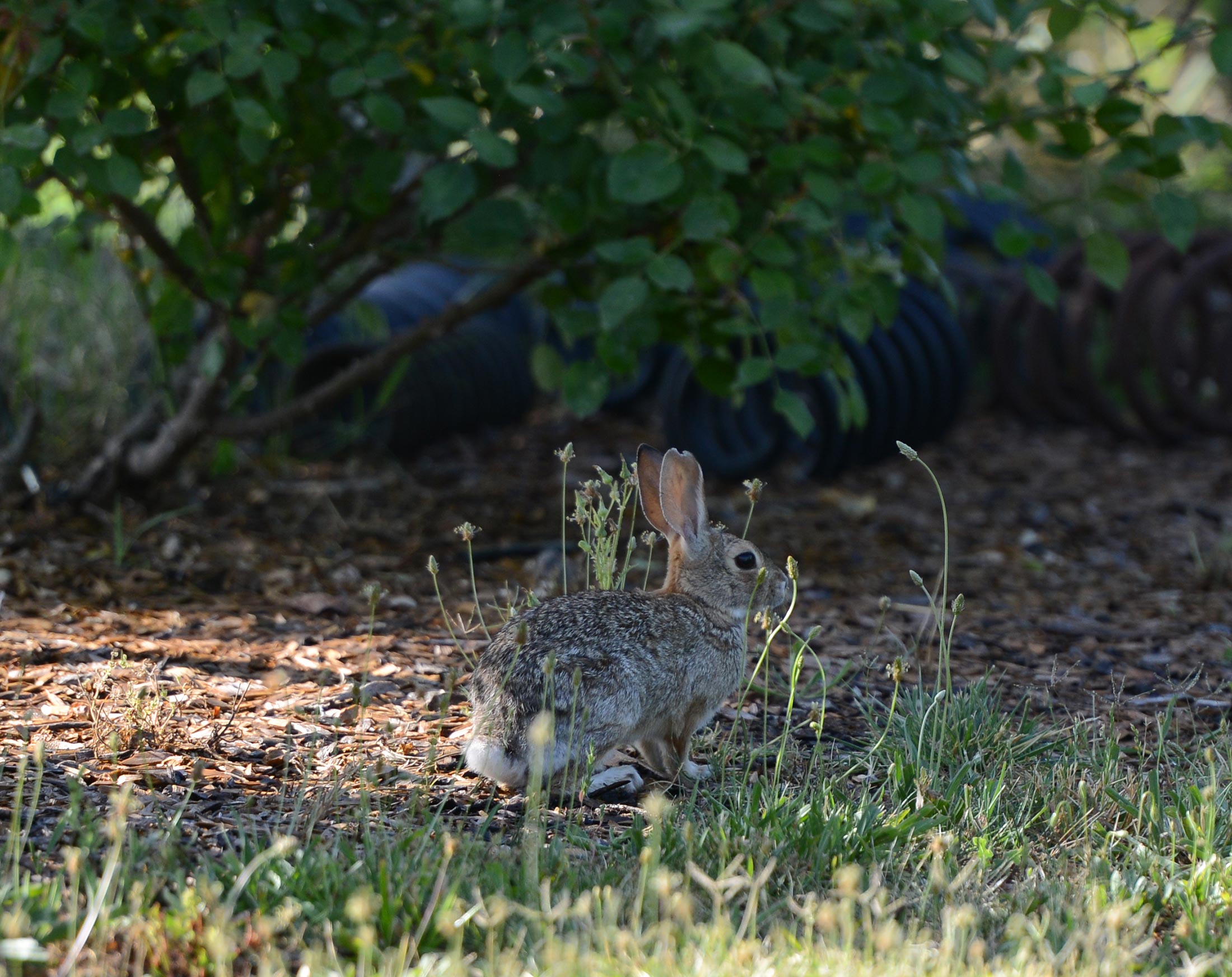
The bunnies, lazy lizards, and settling in birds keep me company as the dogs fall into an exhausted hush.

Gaura_Evening_DSC_6831
Bunny_DSC_4629
Veronica_Speedwell_DSC_6846

Twilight is a magical time giving rise to winged beauties and fairy tales – when “anything can be believed in.” Like Bing’s “going home.”

Bing_750_5118

Bing came to us all the way from Taiwan. He’s been home before – unsuccessfully. It was all too much for him then: too much temptation, too many ways to get into trouble! He hollered at other dogs, hunted cats, and little critters best beware.

Bing_750_5124

But people? He has always loved people.

Bing_DSC_9370

He went home; he came back. He went home; he came back. But something interesting happened as Bing waited in our care: he changed. Not completely. But maybe, just enough. So much so that, last week, he even accompanied one of our volunteers to the annual reunion picnic.

Bing_Car_IMG_0138

He behaved like a model citizen in a venue filled with dogs and chaos, winning everyone’s attention and praise.

Bing_Picnic_IMG_0173

Bing must have felt like a prince at the ball. Transported in style; meeting friends old and new. When the clock struck midnight, he probably assumed his Cinderella moment was over. But by proving himself in a most unexpected way – he earned his “going home” papers, instead. Lorey, one of our devoted volunteers, made him her own.

__bing-adopt_810_2905Photo courtesy Rob Kessel

Anything can happen. Anything can be believed in. That’s the magic of the garden at sunset – and this place we call Homeward Bound.

Double Dog Dare You

Garden_DSC_6241

Some said we could never tame this once-wild acre of thistle and weeds into a garden.

Roses_DSC_6245

Apparently, we like a challenge.

Garden_DSC_6239

Some things are their own reward.

Hummingbird_DSC_5648

But when the gauntlet is thrown down, and the impossible is achieved – victory is that much more gratifying.

Scabiosa_Bee_DSC_6273

So it was this week with some of our “Going Homes.” Jet (now Jasper) had a file as thick as an encyclopedia. He had been bounced around like a ping-pong ball for his one failing: he leaked. And not pee!

Jet Going Home_DSC_6302

They said it was impossible, but our Doc proved otherwise. He’ll be on a strict diet for the rest of his life, but treats are easy to forgo when you exchange them for love and a forever home. Saturday, his foster mom joined our “Failed Foster Club” and made it official.

Jet Going Home_DSC_6314

Myra celebrated Mother’s Day by adopting her own human “mom” (and dad!).

Myra_Kono_DSC_6371

She is one of our dogs rescued from the South Korea dog meat market (I wrote about it here). What a journey they have had. Rescued by the Humane Society International, and brought to us by their partner in the effort, the San Francisco SPCA, she was part of a group of four with emotional and behavioral needs so extreme that they needed lots of TLC to be adoptable. This was Myra shortly after her arrival.

Myra_DSC_3937

So fearful were they, that they were transported directly from crate to kennel when they first arrived. Sunday, Myra – now Kono – departed with her new humans,

Myra_Kono_Going Home_DSC_6359

just as Tag (now Max) did a couple weeks ago.

Tag_Max_DSC_6066
Tag_Max_DSC_6027

And – if you can keep a secret for a day – Roger, too. He went home as foster-to-adopt…adopt being the operative word!

Comet_Roger_DSC_4795

That leaves only Lena, who still needs a little more support.

Lena_DSC_3891

But she has found a confidence-building playmate in Cooper who is helping her come out of her shell.

And this week, we received two new puppies (my little man, Beau, packed his bags and headed for home). Both have Megaesophagus – or expansion of the esophagus. In their case, likely hereditary.

Faith_IMG_0020
Tootsie_DSC_0926

Dogs with Megaesophagus will suddenly start regurgitating undigested food soon after eating. As they lose weight, they are at risk. So I will hope that, once again, we can do the impossible.

“The difference between the difficult and the impossible is that the impossible takes a little longer time.” ~Lady Aberdeen

I double dog dare you to tell us we can’t.

Tootsie_Faith_Daphne_Beau_DSC_0904

Petaloso: Full of Petals

Blanket Flower_DSC_2388

Have you heard about the eight-year-old Italian boy who invented a new Italian word?

Coneflower-10_13

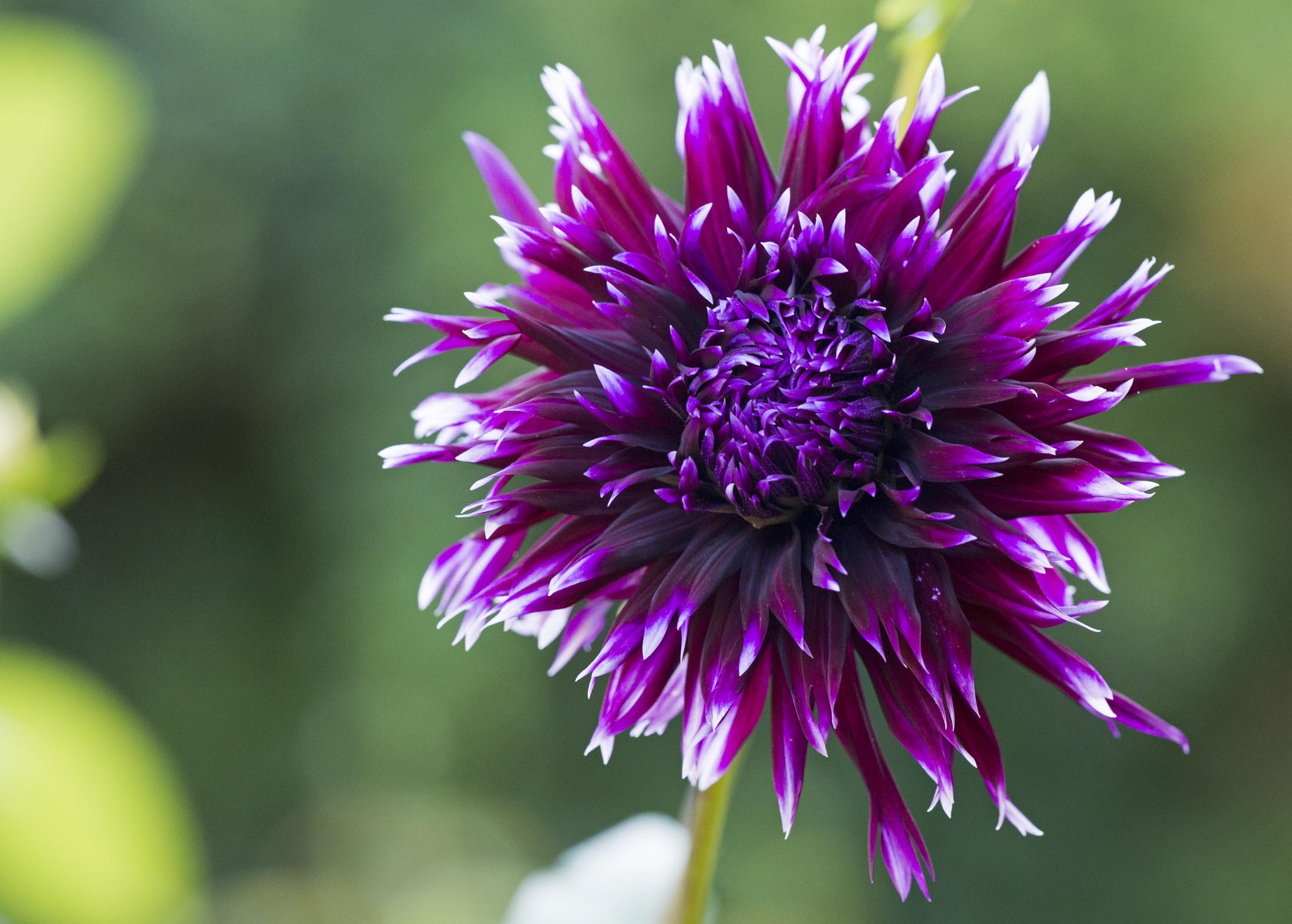
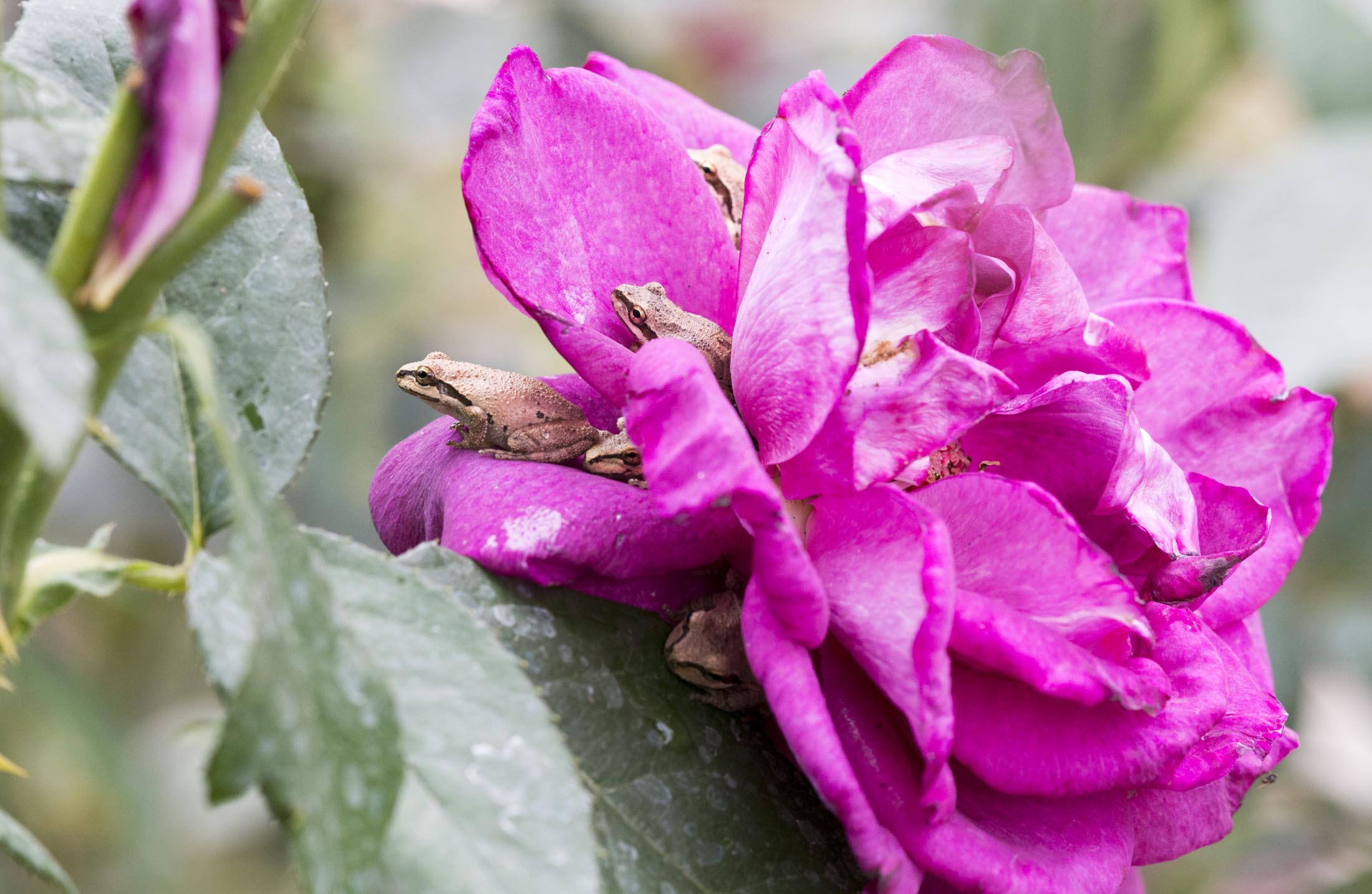
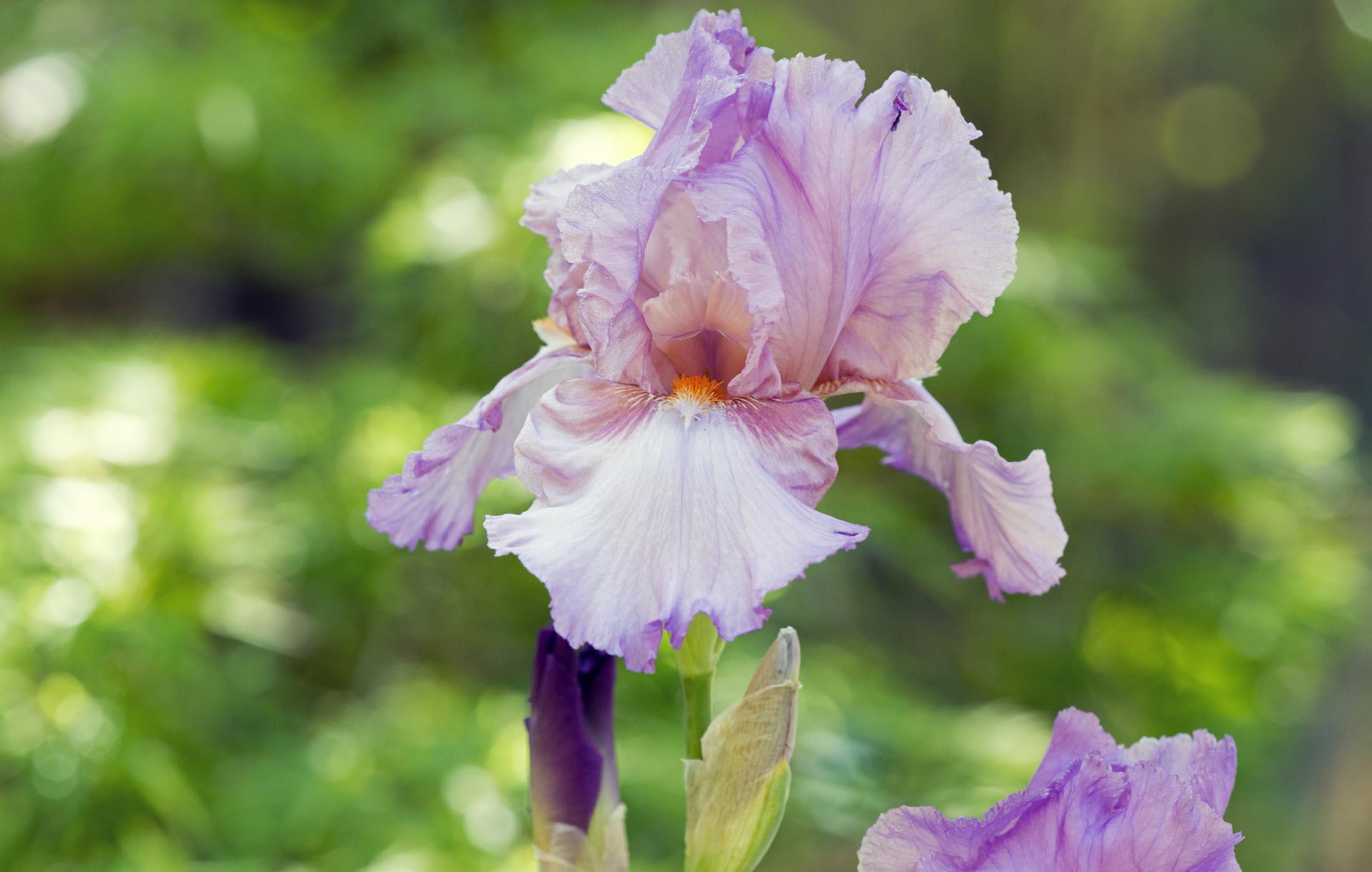
In a classroom assignment, Matteo unsed an unfamiliar word. He described a flower as a “petaloso” – full of petals. While “petaloso” does not officially exist in the Italian dictionary, it made sense – combining “petalo” (“petal”) and the suffix “-oso” (meaning “full of”).

Dahlia_DSC_3620

It is similar to the English word, “petalous” – meaning of flowers having petals. But so much more descriptive.

Tulip Tree_DSC_6596

His teacher marked it as incorrect – but beautiful. And then she helped Matteo petition the instituion that oversees the use of the Italian language for their thoughts.

“The word you invented is well formed and could be used in the Italian language,” they replied. “It is beautiful and clear.”

In order for it to be accepted as an official Italian word, it would need to be used and understood by a large number of people.

Rudbeckia_DSC_2386

Thus, the hoped-to-be word “petaloso” is being shared all over social media.

Frog_Petals_DSC_7082

Help Matteo have his word become accepted and published in the next Italian dictionary.

Iris_DSC_7966

How many ways can you use “petaloso?”

Roses_DSC_3828